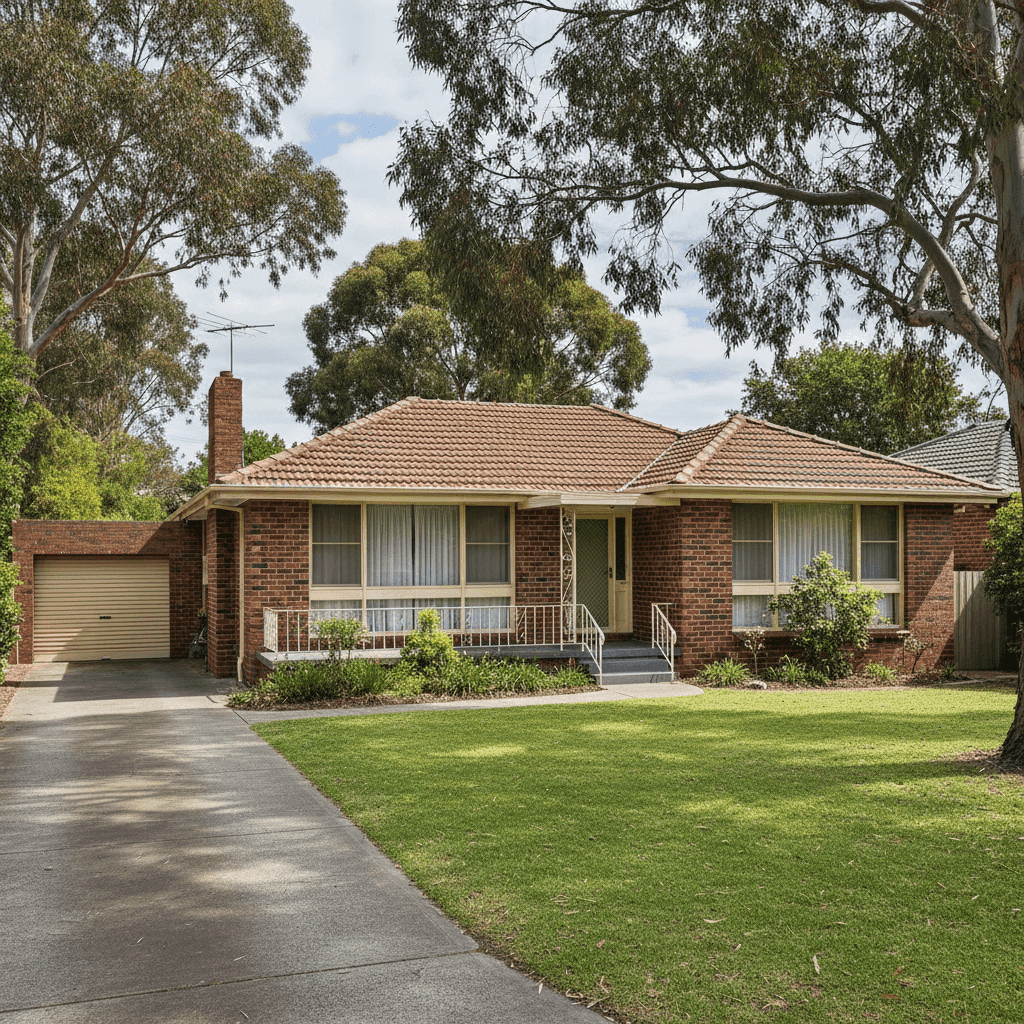
Strathmore is one of Melbourne's well-established north-western suburbs, known for its leafy streets, solid post-war housing stock, and strong community feel. If you own a free standing home here — particularly a brick veneer build from the mid-twentieth century — understanding what you should be paying for building insurance is genuinely useful. This article breaks down a real quote for a 4-bedroom, 2-bathroom home in Strathmore (VIC 3041), rated Fair (Around Average) by CoverClub, and puts it in context against local, state, and national benchmarks.
---
Is This Quote Fair?
The quote in question comes in at $1,702 per year (or $165/month) for building-only cover, with a $1,000 building excess and a sum insured of $778,000. CoverClub has rated this quote as Fair — Around Average, which is a reasonable outcome for a property of this type and age.
So what does "fair" actually mean in practice? It means the premium sits comfortably within the middle range of what Strathmore homeowners are typically paying — not a standout bargain, but certainly not overpriced either. Given that the suburb's 25th percentile sits at $1,660/yr and the 75th percentile reaches $2,585/yr, this quote lands just above the lower quartile, which is a solid position to be in.
For a home built in 1970 on stumps with timber and laminate flooring, insurers are pricing in a degree of age-related risk — and yet this quote remains competitive. That's encouraging. Homeowners who haven't reviewed their policy in a few years may well find they're paying significantly more than this for equivalent cover.
---
How Strathmore Compares
To properly assess value, it helps to zoom out and look at the broader picture. Here's how this quote stacks up across different benchmarks:
| Benchmark | Average Premium | Median Premium |
|---|---|---|
| Strathmore (3041) | $2,175/yr | $1,927/yr |
| Moonee Valley LGA | $2,068/yr | — |
| Victoria (VIC) | $2,921/yr | $2,694/yr |
| National | $2,965/yr | $2,716/yr |
At $1,702/yr, this quote sits below the suburb average by $473, below the Moonee Valley LGA average by $366, and a substantial $1,219 below the Victorian state average. Compared to national figures, the saving is even more pronounced — nearly $1,263 under the national average.
This is a meaningful difference. It suggests that either the insurer has priced this particular risk favourably, or the property's characteristics (more on those below) are working in the homeowner's favour. Either way, it's a result worth noting.
You can explore Strathmore suburb insurance statistics, Victorian averages, and national benchmarks on CoverClub to dig deeper into the data behind these figures.
> Note: The suburb comparison is based on a sample of 37 quotes in postcode 3041, which provides a reasonable — though not exhaustive — picture of the local market.
---
Property Features That Affect Your Premium
Every home tells a story, and insurers read that story carefully when calculating your premium. Here's how the key characteristics of this Strathmore property influence its insurance cost:
Brick Veneer Walls
Brick veneer is one of the most common external wall types in Melbourne's suburban belt, and insurers generally view it favourably. It offers good fire resistance and structural durability, which can help keep premiums down compared to weatherboard or lightweight cladding.
Tiled Roof
A tiled roof — whether concrete or terracotta — is considered a low-to-moderate risk by most insurers. Tiles are durable and perform well in Melbourne's variable weather, though they can be more expensive to repair after storm or hail events than metal roofing. Overall, this is a neutral-to-positive factor for pricing.
Stump Foundation
Homes on stumps (also called pier-and-beam foundations) are common in Victoria, particularly in properties built before the 1980s. While stumps allow for good subfloor ventilation and can be re-levelled over time, insurers may factor in the potential for movement or subsidence — especially in older properties. This can add a modest premium loading compared to slab-on-ground homes.
Timber and Laminate Flooring
Timber and laminate floors are a feature rather than a liability in most cases, but they do contribute to the overall rebuild cost calculation. Timber flooring is generally more expensive to replace than carpet, which is reflected in the sum insured.
Construction Year: 1970
A home built over 50 years ago introduces considerations around ageing plumbing, wiring, and structural components. Insurers typically account for this in their pricing. The fact that this quote remains competitive despite the property's age is a positive sign — though it's worth ensuring the sum insured accurately reflects current rebuild costs for a home of this era and size.
268 sqm Building Size
At 268 sqm, this is a generously sized family home. A larger floor area generally means a higher rebuild cost, which in turn supports a higher sum insured — in this case $778,000. Ensuring the sum insured keeps pace with construction cost inflation is important for avoiding underinsurance.
---
Tips for Homeowners in Strathmore
Whether you're reviewing an existing policy or shopping for the first time, here are four practical steps worth taking:
- Check your sum insured annually. Construction costs in Melbourne have risen significantly in recent years. A sum insured that was accurate three years ago may no longer cover a full rebuild today. Use a building cost calculator or speak with a quantity surveyor if you're unsure.
- Compare at least three quotes. The spread between the 25th and 75th percentile premiums in Strathmore ($1,660 to $2,585) shows there's real variation in the market. Don't assume your current insurer is offering the best deal — it pays to shop around. Get a quote on CoverClub to see how your current premium stacks up.
- Review your excess settings. A $1,000 excess is fairly standard, but increasing it — say, to $2,000 — can meaningfully reduce your annual premium. Just make sure the excess is an amount you could comfortably cover in the event of a claim.
- Keep records of any renovations or upgrades. If you've updated the kitchen, added a bathroom, or made structural changes since the policy was written, your sum insured may need to be adjusted. Underinsurance is one of the most common — and costly — mistakes homeowners make.
---
Ready to Compare?
Whether this quote is yours or you're simply benchmarking what a fair price looks like for a Strathmore home, CoverClub makes it easy to compare building insurance options side by side. With real data from thousands of Australian quotes, you can see exactly where your premium sits — and whether there's a better deal waiting. Start comparing home insurance quotes today and make sure you're getting the right cover at the right price.