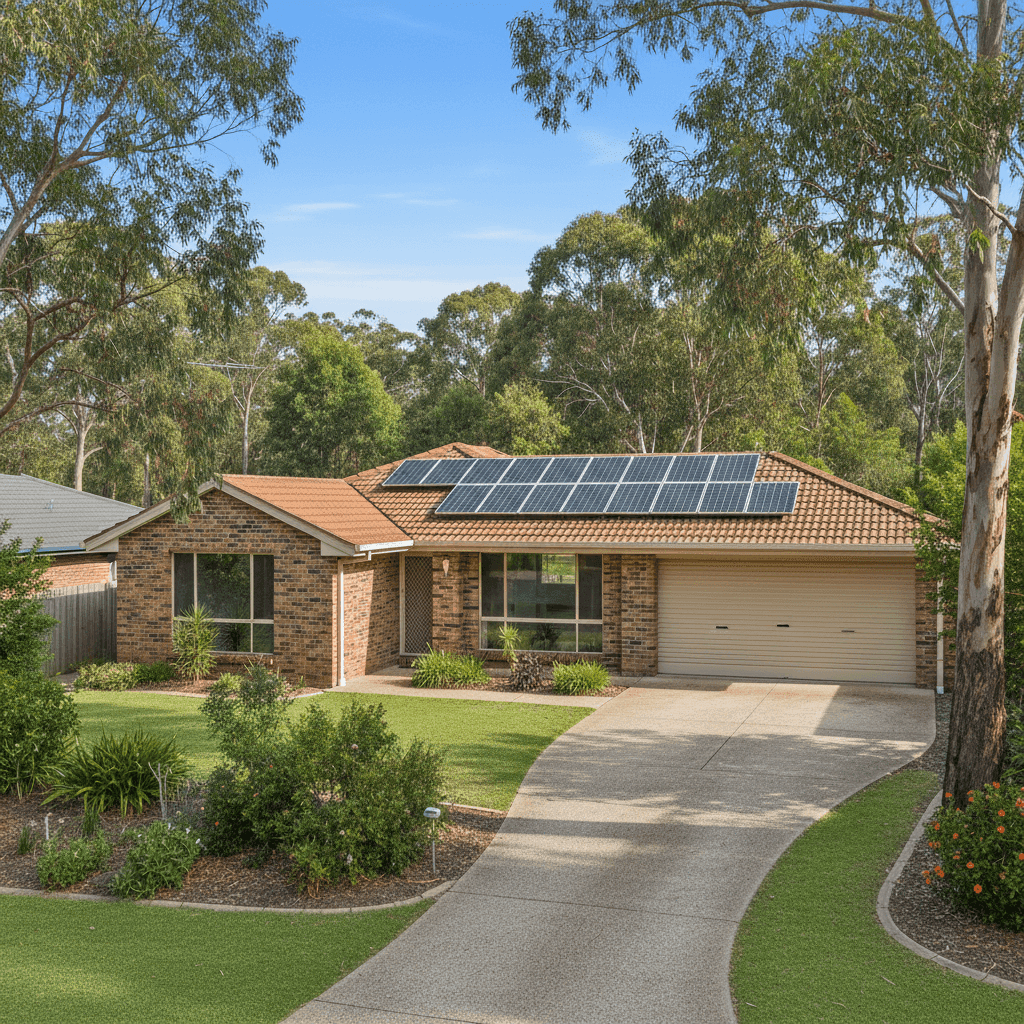
Strathpine, nestled in the Moreton Bay region just north of Brisbane, is a well-established suburban pocket that continues to attract families and first-home buyers alike. If you own a free standing home here, understanding what you should be paying for home and contents insurance — and why — can save you hundreds of dollars a year. This article breaks down a recent quote for a 3-bedroom brick veneer home in Strathpine (QLD 4500) and puts it in context against local, state, and national benchmarks.
---
Is This Quote Fair?
The short answer: yes, and then some. This quote came in at $995 per year (or roughly $100/month) for combined home and contents cover — a figure our pricing engine rates as cheap, meaning it sits meaningfully below the average for comparable properties.
To put that in perspective:
- The Moreton Bay LGA average is $3,145/yr
- The Queensland state average is $4,547/yr, with a median of $3,931/yr
- The national average sits at $2,965/yr, with a median of $2,716/yr
At $995, this premium is less than a quarter of the Queensland state average — a remarkable result for a policy covering $695,000 in building sum insured and $64,000 in contents. Even against the national median of $2,716, this quote represents a saving of over $1,700 annually.
It's worth noting that Queensland homeowners typically pay some of the highest premiums in the country, largely driven by extreme weather risk across much of the state. That makes a result like this even more noteworthy for Strathpine residents.
---
How Strathpine Compares
While suburb-level aggregate data isn't available for Strathpine specifically, we can draw meaningful comparisons using Queensland state statistics and national benchmarks.
| Benchmark | Annual Premium |
|---|---|
| This Quote | $995 |
| Moreton Bay LGA Average | $3,145 |
| QLD State Average | $4,547 |
| QLD State Median | $3,931 |
| National Average | $2,965 |
| National Median | $2,716 |
The gap between this quote and the Queensland average is stark. Queensland's elevated premiums are largely a product of the state's exposure to cyclones, flooding, and severe storm events — risks that are unevenly distributed across the state. Strathpine, sitting in the southeast corner of Queensland, benefits from a comparatively lower natural hazard profile than coastal or far-north Queensland properties.
You can explore more localised data for postcode 4500 at the Strathpine suburb stats page, and compare it against broader trends on the national stats page.
---
Property Features That Affect Your Premium
Several characteristics of this particular property work in the homeowner's favour from a risk and pricing perspective.
Brick Veneer Construction Brick veneer is one of the more insurer-friendly wall materials in Australia. It offers solid fire resistance and durability, and is far less susceptible to wind and impact damage than timber weatherboard. This typically translates to lower premiums.
Tiled Roof Concrete or terracotta tiles are considered a resilient roofing choice by most insurers. They hold up well in storms and have a long lifespan, reducing the likelihood of weather-related claims compared to older iron or fibreglass roofing.
Slab Foundation A concrete slab foundation is generally viewed positively by underwriters. It's stable, resistant to subsidence, and doesn't carry the pest-related risks associated with raised timber floors.
Solar Panels This property has solar panels installed, which are typically covered under a home insurance policy as a fixed fixture. It's important to confirm with your insurer that the panels are explicitly included in your sum insured — and that the $695,000 building value accounts for their replacement cost. Solar panels can be expensive to replace, particularly if the system is more than a few years old.
Construction Era (1980) Homes built around 1980 sit in an interesting middle ground. They're old enough that some building elements (wiring, plumbing, roofing) may be approaching the end of their serviceable life, but not so old as to attract the heritage or unusual materials concerns that come with pre-1960s homes. Some insurers may apply loading for older properties, so it's worth reviewing policy conditions carefully.
No Pool, No Ducted Climate Control The absence of a swimming pool removes a meaningful liability and maintenance risk from the equation. Similarly, no ducted climate control means fewer mechanical systems that could fail and cause water or electrical damage. Both factors contribute to a cleaner risk profile.
Standard Fittings Standard-grade fixtures and fittings keep the rebuild cost estimate more predictable and typically result in lower premiums than homes with high-end or bespoke finishes.
---
Tips for Homeowners in Strathpine
1. Review Your Sum Insured Regularly At $695,000, the building sum insured needs to reflect the true cost of rebuilding — not the market value of the land and home. Construction costs in southeast Queensland have risen significantly in recent years. Use an independent building cost calculator annually to make sure you're not underinsured.
2. Confirm Solar Panel Coverage If you have solar panels, speak directly with your insurer to confirm they are covered under your policy and that their value is factored into your sum insured. Some policies treat them as standard fixtures; others require a separate endorsement.
3. Check Your Excess Levels This policy carries a $2,000 building excess and a $1,000 contents excess. Higher excesses typically reduce your premium — but make sure you can comfortably cover those amounts out of pocket in the event of a claim. If cash flow is a concern, it may be worth adjusting.
4. Don't Let a Good Rate Make You Complacent A competitive premium is great, but it's equally important to understand what the policy covers. Read the Product Disclosure Statement (PDS) carefully — particularly around storm, flood, and accidental damage definitions — to ensure you have the protection you actually need.
---
Ready to Compare?
Whether you're renewing your existing policy or shopping for cover on a new property, it pays to see what's available in the market. Get a home insurance quote at CoverClub and find out how your premium stacks up against the averages — you might be surprised by how much room there is to save.