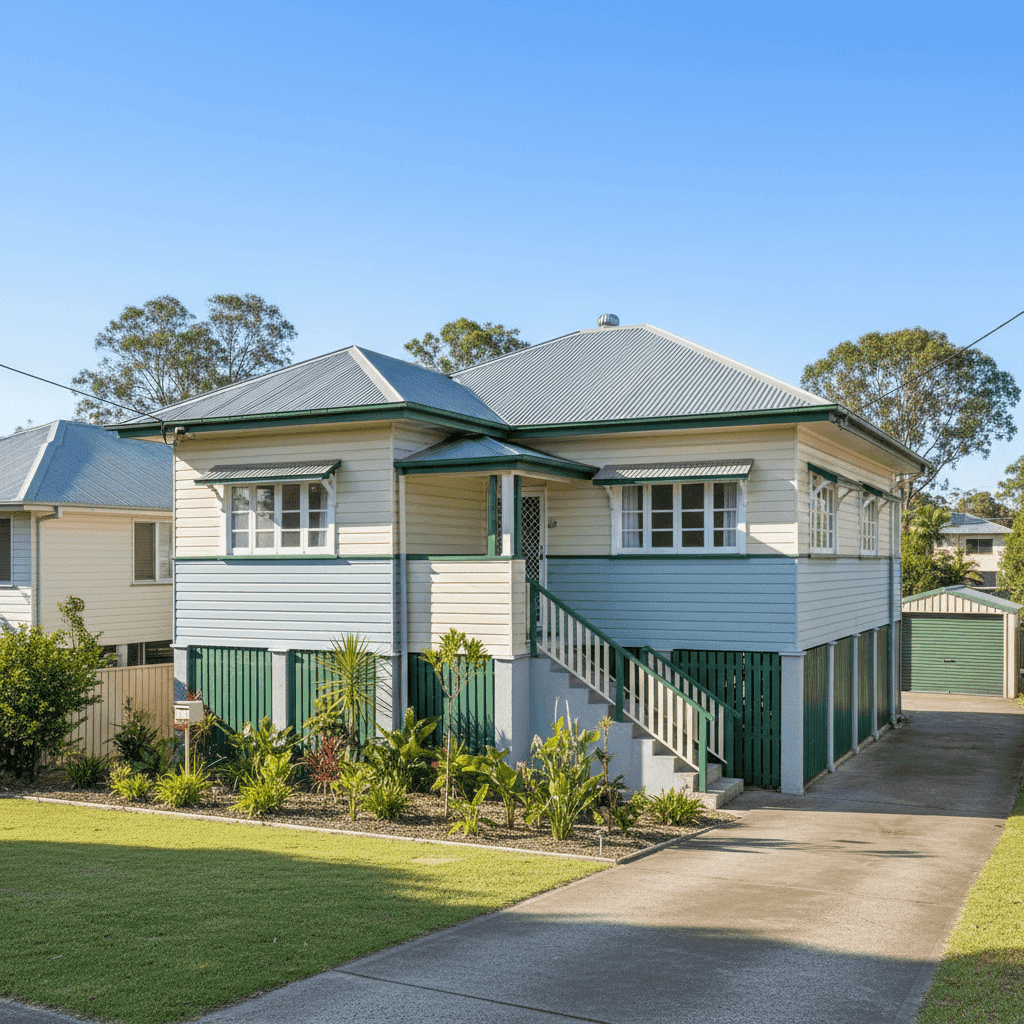
If you own a free standing home in Strathpine, QLD 4500, you've probably wondered whether you're paying a fair price for home insurance — or leaving money on the table. Strathpine sits in the Moreton Bay region, a rapidly growing corridor north of Brisbane that blends suburban convenience with older housing stock. That mix of characteristics makes understanding your insurance premium all the more important. This article breaks down a real home and contents insurance quote for a 3-bedroom, 1-bathroom weatherboard home in Strathpine, and puts it in context against local, state, and national benchmarks.
---
Is This Quote Fair?
The quote in question comes to $1,162 per year (or about $111 per month) for combined home and contents cover, with a building sum insured of $512,000 and contents valued at $50,000. The building excess is $2,000 and the contents excess is $1,000.
Our pricing analysis rates this quote as CHEAP — below average. That's genuinely good news for the homeowner. In a state where insurance premiums have been climbing steadily due to weather events and rising rebuild costs, landing a quote well below the typical range is a meaningful financial win.
To put it plainly: this premium is a fraction of what many Queensland homeowners are paying. Whether that reflects the specific insurer's risk appetite, the property's characteristics, or a combination of both, the bottom line is that this is a competitively priced policy worth taking seriously.
---
How Strathpine Compares
The numbers tell a compelling story when you stack this quote against broader averages:
| Benchmark | Annual Premium |
|---|---|
| This quote | $1,162 |
| Moreton Bay LGA average | $3,145 |
| QLD state average | $4,547 |
| QLD state median | $3,931 |
| National average | $2,965 |
| National median | $2,716 |
This quote sits $1,983 below the Moreton Bay LGA average, $3,385 below the Queensland state average, and $1,803 below the national average. Even against the more conservative national median of $2,716, this policy is less than half the price.
Queensland is one of the most expensive states for home insurance in Australia, largely driven by exposure to cyclones, flooding, storms, and hail. The QLD state average of $4,547 is well above the national average of $2,965, reflecting the elevated natural hazard risk across much of the state. Against that backdrop, a sub-$1,200 annual premium in Strathpine is notably low.
You can explore more localised pricing data for the area at the Strathpine suburb stats page.
---
Property Features That Affect Your Premium
Several characteristics of this particular property influence how insurers price the risk — and some of them work in the homeowner's favour.
Weatherboard Timber Walls
Weatherboard construction is one of the most common wall types found in older Queensland homes, and this property's exterior is no exception. Timber weatherboard can be more susceptible to fire and termite damage compared to brick veneer or double brick, which some insurers factor into their pricing. However, it's also a well-understood building type with established repair costs, which means many insurers are comfortable pricing it competitively.
Steel/Colorbond Roof
A Colorbond steel roof is generally viewed favourably by insurers. It's durable, low-maintenance, and performs well in high-wind conditions. Compared to older tile roofs or corrugated iron, Colorbond tends to have lower leak risk and a longer effective lifespan — both factors that can help keep premiums down.
Stump Foundation
The home sits on stumps, which is extremely common for pre-1980s Queensland homes. Stump foundations allow airflow beneath the home and can actually reduce flood damage in minor inundation events, since the elevated floor level provides some buffer. That said, insurers may assess the condition and height of the stumps when evaluating structural risk.
Construction Era (1977)
Homes built in the 1970s predate many modern building codes, which means electrical systems, plumbing, and structural elements may be older and potentially more prone to failure. Some insurers load premiums for older homes, while others simply factor it into the sum insured calculation. At 130 sqm, the building size is modest, which helps keep the rebuild cost — and therefore the premium — manageable.
No Pool, Solar, or Ducted Climate Control
The absence of a pool, solar panels, and ducted air conditioning simplifies the risk profile considerably. Each of these features adds complexity to a claim — pools carry liability risk, solar panels add to rebuild costs, and ducted systems are expensive to repair or replace. Without them, the insurer has fewer variables to price in.
Standard Fittings Quality
Standard-grade fittings mean the cost to repair or replace internal fixtures, cabinetry, and finishes is predictable and moderate. High-end or custom fittings can significantly increase the contents and building sum insured required, pushing premiums higher.
---
Tips for Homeowners in Strathpine
Even with a competitive premium, there are always ways to make sure you're getting the best value and the right level of protection.
- Review your sum insured annually. Building costs in South East Queensland have risen sharply over the past few years. A sum insured of $512,000 for a 130 sqm home may be appropriate today, but it's worth recalculating your rebuild cost each year — especially as labour and materials costs fluctuate. Being underinsured at claim time can be a costly mistake.
- Consider your excess carefully. This policy carries a $2,000 building excess and a $1,000 contents excess. Higher excesses typically lower your premium, but make sure you could comfortably cover those amounts out of pocket if you needed to make a claim. If cash flow is tight, a lower excess might be worth the slightly higher annual cost.
- Maintain your weatherboard cladding. Timber weatherboard requires regular painting and maintenance to prevent moisture ingress, rot, and potential termite activity. Keeping the exterior in good condition not only protects the home but also ensures you won't face complications at claim time if damage is attributed to lack of maintenance.
- Check your contents cover reflects reality. A $50,000 contents sum insured is a common starting point, but it's easy to underestimate the true replacement value of everything inside your home. Do a room-by-room inventory periodically — electronics, appliances, clothing, furniture, and tools all add up quickly.
---
Compare Your Home Insurance Today
Whether you're a Strathpine local or own a similar property elsewhere in Queensland, it pays to compare. The difference between the cheapest and most expensive quotes for the same property can run into thousands of dollars per year — as the data above makes clear. Get a home insurance quote at CoverClub and see how your current policy stacks up against the market in minutes.