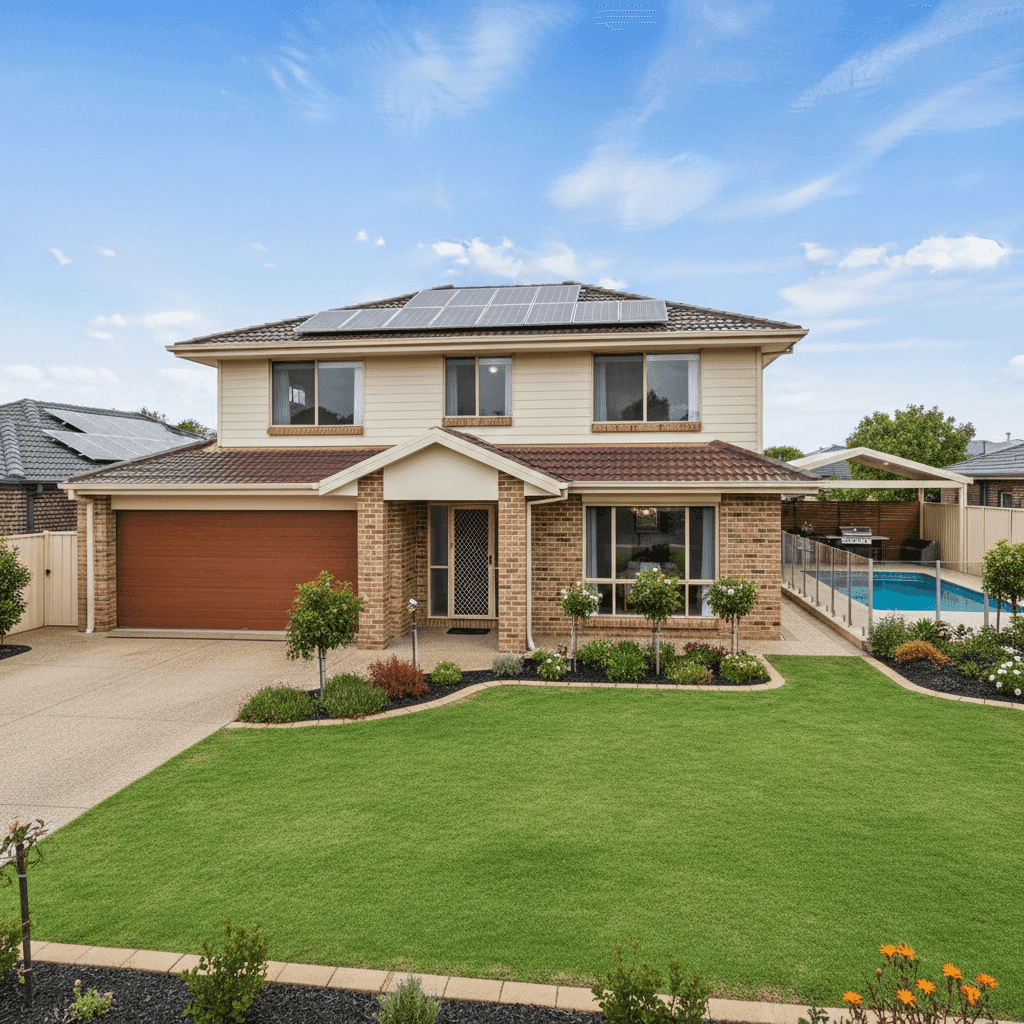
If you own a free standing home in Success, WA 6164, you're living in one of Perth's well-established southern suburbs — part of the City of Cockburn and popular with families thanks to its parklands, schools, and proximity to the coast. Like any homeowner, one of your most important financial decisions is making sure your property and contents are properly protected. But how do you know whether the premium you're paying is fair?
In this article, we break down a real home and contents insurance quote for a four-bedroom, double brick home in Success, comparing it against local, state, and national benchmarks so you can make an informed decision.
---
Is This Quote Fair?
The annual premium in this quote comes in at $1,633 per year (or $162/month), covering a building sum insured of $675,000 and contents valued at $150,000. Based on CoverClub's pricing data, this quote is rated CHEAP — meaning it sits below the average for comparable properties in Western Australia.
To put that in perspective:
- The WA state average for home and contents insurance is $2,144/year
- The WA state median sits at $1,944/year
- The national average across Australia is $2,965/year
- The national median is $2,716/year
At $1,633, this quote is approximately $311 below the WA median and a substantial $1,332 below the national average. For a well-appointed property with a pool, solar panels, and ducted climate control, that's genuinely competitive pricing — and worth taking seriously.
That said, a "cheap" rating doesn't automatically mean the policy is the right fit. It's always worth scrutinising what's included (and excluded) before committing. Excess levels, listed events, and sub-limits on contents all matter as much as the headline premium.
---
How Success Compares
Success and the broader Cockburn LGA tend to attract relatively moderate insurance premiums compared to higher-risk areas of Australia. The LGA (Cockburn) average premium is $1,588/year, which means this quote is only marginally above the local average — a strong result given the property's size and features.
Here's a quick snapshot of how the numbers stack up:
| Benchmark | Annual Premium |
|---|---|
| This Quote | $1,633 |
| Cockburn LGA Average | $1,588 |
| WA State Average | $2,144 |
| WA State Median | $1,944 |
| National Average | $2,965 |
| National Median | $2,716 |
Compared to WA as a whole, Success homeowners appear to benefit from a relatively benign risk profile. The suburb sits outside designated cyclone risk zones, faces limited bushfire exposure compared to regional WA, and is not in a known flood-prone corridor — all factors that keep premiums lower than many other parts of the state.
When you zoom out to national comparisons, the difference becomes even starker. Homeowners in parts of Queensland, Northern NSW, and coastal tropical regions routinely pay two to three times what Success residents pay, largely due to cyclone, flood, and storm surge risks.
---
Property Features That Affect Your Premium
Every property tells its own story when it comes to insurance risk. Here's how the specific features of this home influence the premium:
Double Brick Construction Double brick is generally viewed favourably by insurers. It's durable, resistant to fire and wind damage, and has a long lifespan. Compared to lightweight timber-frame or clad homes, double brick construction can contribute to lower rebuild cost estimates and reduced structural risk — both of which can soften your premium.
Concrete Roof Concrete tile roofing is another solid performer from an insurer's perspective. It handles hail and wind reasonably well and is less susceptible to fire than some other roofing materials. This is a positive factor in the risk assessment.
Slab Foundation A concrete slab foundation is standard for homes built in the 2000s across WA and is generally considered low-risk. There's no subfloor cavity to worry about, and slab homes tend to be structurally stable in the Perth climate.
Swimming Pool A pool adds to the replacement value of the property and may slightly increase the premium due to liability considerations and the cost of reinstatement. It's important to ensure your sum insured accounts for the pool's full replacement value.
Solar Panels Solar panels are increasingly common on Perth homes and can add meaningful value to a property. Insurers treat them differently — some include them automatically under building cover, while others require them to be specifically listed. It's worth confirming your policy explicitly covers solar panels for damage, theft, and storm events.
Ducted Climate Control Ducted air conditioning is a significant fixed asset in the home and should be captured within the building sum insured. At $675,000, the sum insured here appears to reflect the property's features appropriately for a 244 sqm home built in 2006.
Timber and Laminate Flooring Flooring type can influence contents and building claims. Timber and laminate floors can be costly to replace after water damage events, so it's worth checking that your policy provides adequate cover for floor coverings — particularly under accidental damage or escape of liquid scenarios.
---
Tips for Homeowners in Success
1. Review your sum insured regularly Construction costs in Perth have risen significantly in recent years. A home built in 2006 that was adequately insured five years ago may now be underinsured if the sum insured hasn't kept pace with rising rebuild costs. Use a building calculator or speak to a quantity surveyor if you're unsure.
2. Confirm solar panel coverage explicitly Don't assume your solar system is automatically covered. Ask your insurer directly whether panels are included under building cover, what events are covered (storm, hail, fire, theft), and whether there's a sub-limit that applies.
3. Itemise high-value contents A $150,000 contents sum is a reasonable starting point for a four-bedroom home, but standard policies often apply sub-limits to jewellery, electronics, and portable valuables. Create a home inventory and check whether any items need to be separately listed or scheduled.
4. Consider your excess strategy This quote carries a $2,000 building excess and $1,000 contents excess. Higher excesses typically lower your premium, but make sure you could comfortably cover those amounts out of pocket in the event of a claim. If cash flow is a concern, a lower excess (at a slightly higher premium) may be the smarter trade-off.
---
Compare Your Options with CoverClub
Whether you're renewing your current policy or shopping around for the first time, it pays to compare. CoverClub makes it easy for Australian homeowners to see how their premium stacks up and find competitive quotes from a range of insurers. Get a home insurance quote today and see how much you could save — or simply confirm that what you're already paying is a fair deal.