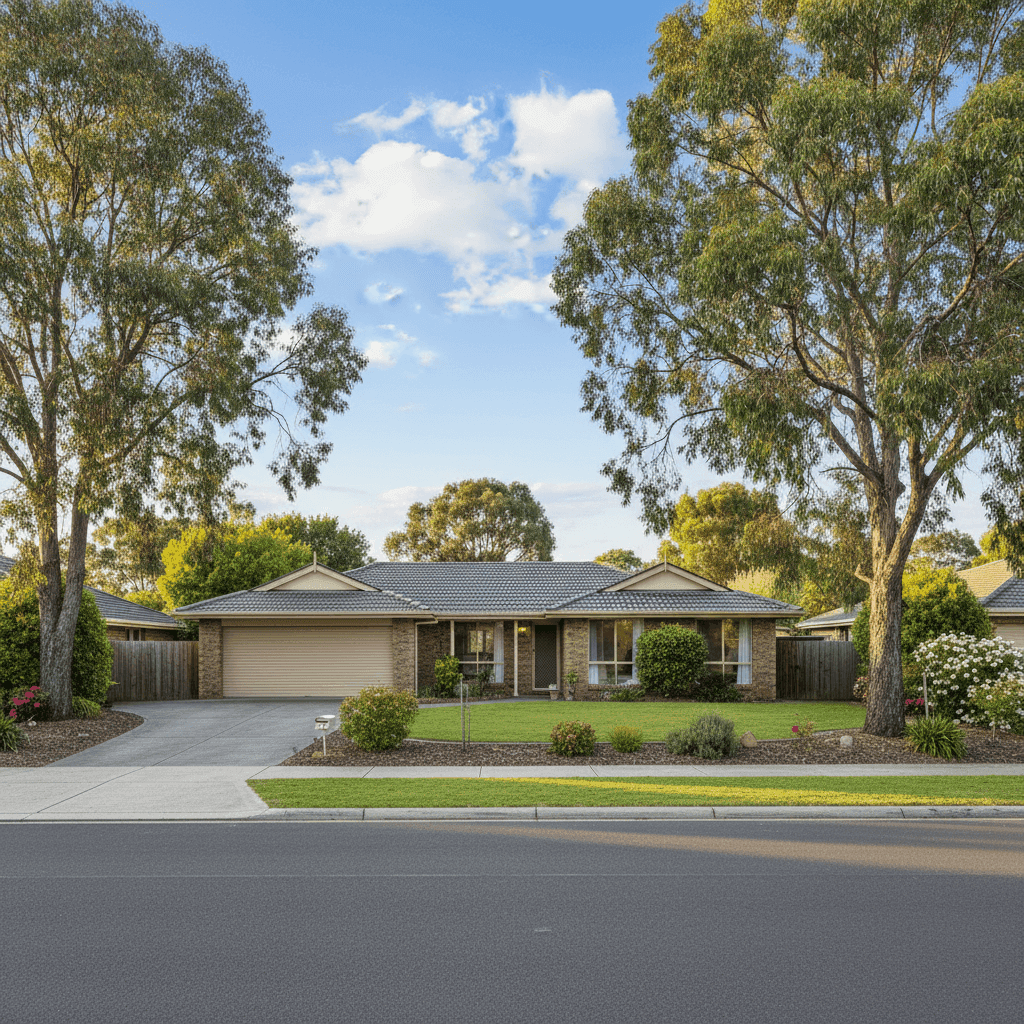
Nestled in the heart of Tasmania, Summerhill (TAS 7250) is a quiet residential suburb where brick veneer homes on tiled roofs are a common sight. If you own a free standing home here and you're wondering whether your home and contents insurance premium is reasonable, you're in the right place. This article breaks down a real quote for a 3-bedroom, 1-bathroom property in the area — and puts the numbers into context so you can make a more informed decision.
---
Is This Quote Fair?
The quote in question comes in at $850 per year (or roughly $81 per month) for a combined home and contents policy, covering a building sum insured of $520,000 and contents valued at $183,000. The building excess sits at $2,000, while the contents excess is a more modest $600.
Based on our pricing data, this quote is rated CHEAP — meaning it falls well below average for comparable properties in Tasmania. That's a meaningful finding. With premiums rising across Australia in recent years due to increased climate-related claims, reinsurance costs, and inflationary pressures on building materials, landing a below-average premium is genuinely good news for any homeowner.
To put it plainly: if you received this quote, you're doing better than most Tasmanians insuring a similar property.
---
How Summerhill Compares
While suburb-level comparison data isn't available for Summerhill specifically, we can draw useful comparisons from broader datasets. Here's how this quote stacks up:
| Benchmark | Annual Premium |
|---|---|
| This Quote | $850 |
| LGA Average (Meander Valley) | $2,268 |
| TAS State Average | $2,458 |
| TAS State Median | $2,272 |
| National Average | $2,965 |
| National Median | $2,716 |
The difference is striking. This quote is approximately 73% below the Tasmanian state average and more than 70% below the national average. Even compared to the Meander Valley LGA average of $2,268, the saving is substantial — around $1,418 per year.
For broader context on what Tasmanians are paying, visit our TAS insurance stats page, or explore national home insurance benchmarks to see how your state compares to the rest of the country. You can also check out the Summerhill suburb stats page as more local data becomes available.
It's worth noting that a lower premium doesn't automatically mean better value — the policy details, inclusions, and claim limits matter just as much as the price. Always read the Product Disclosure Statement (PDS) carefully before committing.
---
Property Features That Affect Your Premium
Insurers assess risk based on dozens of property characteristics. Here's how the features of this particular home likely influence its premium:
Brick Veneer Walls Brick veneer is one of the more favoured construction types among insurers. It offers solid fire resistance and structural durability compared to timber weatherboard, which can translate into lower risk assessments and, in turn, more competitive premiums.
Tiled Roof Terracotta or concrete tiles are considered a lower-risk roofing material than, say, corrugated iron in certain contexts. They're durable and widely used across Tasmania, which means insurers have good data on their performance — generally a positive for pricing.
Slab Foundation A concrete slab foundation is generally considered stable and low-maintenance. It reduces the risk of subsidence or pest-related damage that can affect homes on stumps or piers, which may contribute to a more favourable risk profile.
Construction Year: 1988 Homes built in the late 1980s fall into a middle ground — old enough to have some age-related wear, but generally built to reasonable standards. Depending on whether any renovations have been made, this can go either way with insurers.
Above Average Fittings Above average fittings — think quality kitchen appliances, premium fixtures, and upgraded flooring — increase the cost to rebuild or repair, which is reflected in a higher sum insured. However, this also means the home is likely well-maintained, which can be viewed positively.
Ducted Climate Control The presence of ducted climate control adds to the replacement value of the home and is a factor in the sum insured calculation. It's a worthwhile inclusion to ensure you're not underinsured if a claim arises.
No Pool, No Solar Panels Pools and solar panels can both add complexity and cost to a policy. The absence of these features keeps the risk profile simpler and may contribute to the competitive premium on this quote.
No Cyclone Risk Tasmania is not classified as a cyclone risk area, which is a significant premium advantage compared to properties in Queensland or northern Western Australia. This single factor can save thousands of dollars annually for comparable properties in high-risk zones.
---
Tips for Homeowners in Summerhill
Whether you're reviewing your current policy or shopping around for the first time, here are some practical steps to help you get the best outcome:
- Don't underinsure your building. With construction costs rising sharply across Australia, the cost to rebuild a 105 sqm brick veneer home in Tasmania may be higher than you expect. Use a building cost calculator or ask your insurer to review your sum insured annually to avoid a nasty shortfall at claim time.
- Review your contents value carefully. $183,000 in contents cover sounds substantial, but it can go quickly when you factor in furniture, electronics, whitegoods, clothing, and jewellery. Do a room-by-room inventory every year or two to make sure your coverage keeps pace with what you actually own.
- Consider your excess strategically. This policy carries a $2,000 building excess — on the higher side. If you're comfortable self-insuring smaller claims, a higher excess can keep premiums down. But make sure you have that amount readily accessible if you ever need to make a claim.
- Shop around at renewal time. Even if your current premium is competitive, insurers adjust their pricing models regularly. Comparing quotes annually takes only a few minutes and can reveal meaningful savings — or confirm you're already on a good deal.
---
Ready to Compare?
Whether you're a first-time buyer or a long-term Summerhill resident, it pays to know what the market looks like before you sign on the dotted line. At CoverClub, we make it easy to compare home and contents insurance quotes from a range of Australian insurers in one place.
Get a quote today at CoverClub and see how your current premium stacks up — you might be pleasantly surprised.