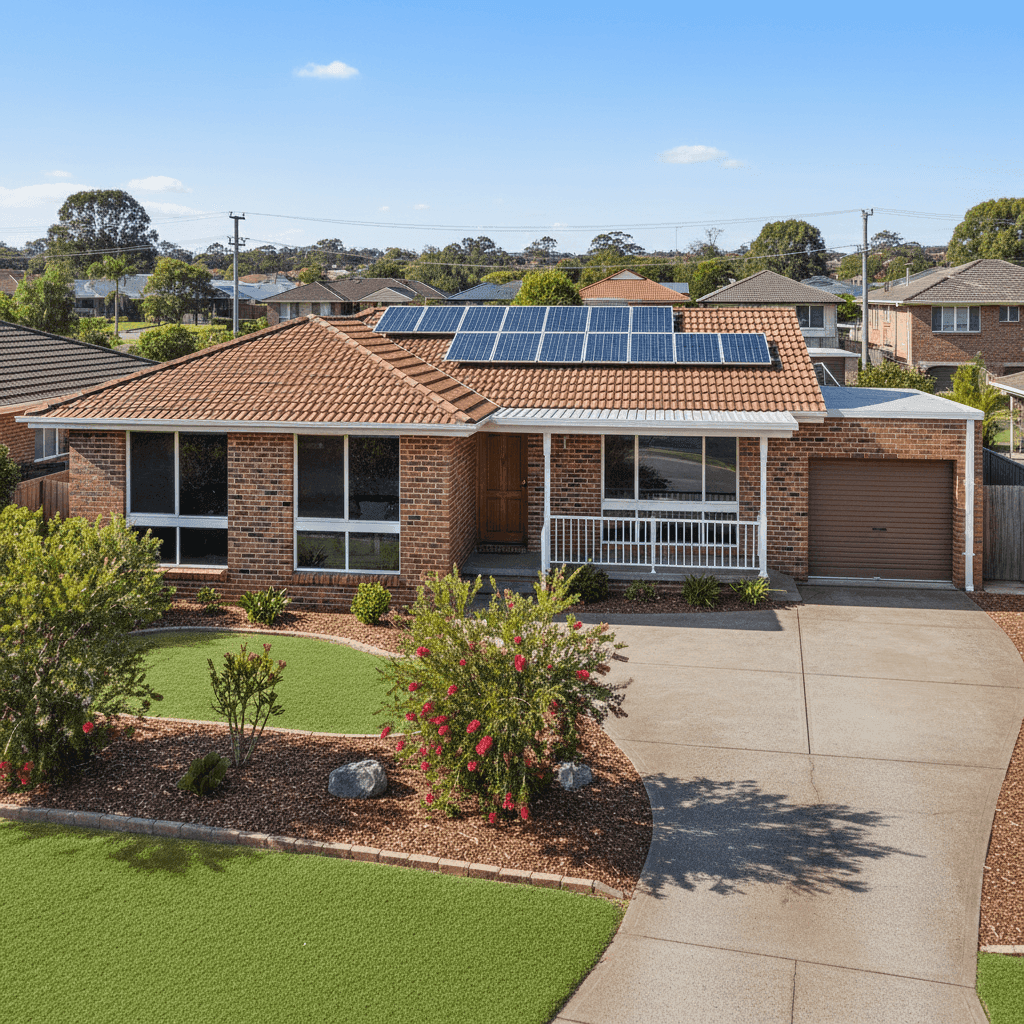
Sunnybank Hills is a well-established suburban pocket in Brisbane's south, popular with families drawn to its leafy streets, good schools, and convenient access to the city. For homeowners in this part of Queensland, understanding what a fair home insurance premium looks like — and what drives the cost — can make a real difference at renewal time. This article breaks down a recent home and contents insurance quote for a four-bedroom, brick veneer free standing home in Sunnybank Hills (QLD 4109), and puts the numbers in context.
---
Is This Quote Fair?
The quote in question comes in at $2,082 per year (or around $200 per month), covering both building and contents for a property with a building sum insured of $700,000 and contents valued at $100,000. Both the building and contents excess sit at $1,000.
Our price rating for this quote is FAIR — Around Average, and the data backs that up. Based on 77 quotes collected for Sunnybank Hills, the suburb average premium is $2,095 per year — just $13 more than this quote. The suburb median sits at $1,954, meaning this quote is slightly above the midpoint but well within the normal range for the area.
To put it plainly: this homeowner is paying a price that reflects what most people in the suburb are paying. It's not a bargain, but it's not overpriced either. If you're sitting in a similar position, the key question is whether there's room to do better — and the answer is often yes, with a bit of shopping around.
---
How Sunnybank Hills Compares
One of the most striking things about this quote is just how reasonable it looks when you zoom out to the state and national level.
| Benchmark | Average Premium | Median Premium |
|---|---|---|
| Sunnybank Hills (suburb) | $2,095/yr | $1,954/yr |
| Brisbane LGA | $16,277/yr | — |
| Queensland (state) | $9,129/yr | $3,903/yr |
| National | $5,347/yr | $2,764/yr |
The Queensland state average of $9,129 per year is dramatically higher than what Sunnybank Hills homeowners are typically paying. This is largely because Queensland's insurance market is heavily skewed by high-risk coastal and cyclone-prone areas in North Queensland, where premiums can be eye-watering. Sunnybank Hills, sitting comfortably inland in Brisbane's south, benefits from a much lower risk profile.
Even compared to the national average of $5,347 per year, this suburb's premiums look very competitive. And while the Brisbane LGA average of $16,277 may seem alarming, it too reflects the wide spread of risk across a large and diverse local government area — not what typical suburban Brisbane homeowners pay.
For context, the suburb's 25th percentile premium is $1,579 per year, meaning a quarter of Sunnybank Hills homeowners are paying less than that. The 75th percentile sits at $2,581, so this quote is comfortably within the middle band of the market.
---
Property Features That Affect Your Premium
Several characteristics of this property work in the homeowner's favour from an insurance pricing perspective.
Brick veneer construction is generally well-regarded by insurers. It offers solid fire resistance and structural durability, and tends to attract lower premiums compared to timber-framed or clad homes. Combined with a tiled roof, which is considered low-risk and long-lasting, this home presents a relatively straightforward risk profile.
The slab foundation is standard for homes of this era in Queensland and doesn't introduce any particular premium loading. Similarly, tile flooring throughout is a practical and durable choice that insurers view favourably — it's less susceptible to water damage than carpet or timber.
Built in 1985, the home is now around 40 years old. This is worth keeping an eye on, as older properties can sometimes attract higher premiums due to the cost of replacing ageing fixtures, wiring, or plumbing to current building standards. At 214 sqm, the building size is generous for the area and is reflected in the $700,000 sum insured — which is a reasonable figure for a home of this size and construction type in Brisbane's south.
The presence of solar panels is worth noting. Solar systems add value to a property but also add replacement cost in the event of a claim. It's important to confirm with your insurer that solar panels are explicitly covered under your policy — some standard policies cover them as part of the building, while others may require a specific endorsement.
The absence of a pool simplifies the risk picture slightly, and the fact that this area is not classified as a cyclone risk zone is a significant premium advantage for Queensland homeowners — cyclone cover is one of the biggest cost drivers in the state.
---
Tips for Homeowners in Sunnybank Hills
1. Review your sum insured regularly Construction costs have risen sharply in recent years. A building sum insured of $700,000 for a 214 sqm brick veneer home in Brisbane's south is a reasonable starting point, but it's worth using a building cost calculator annually to make sure you're not underinsured. Rebuilding costs can easily exceed purchase price.
2. Confirm solar panel coverage With solar panels on the roof, check your policy documents carefully. Ensure the system is included in your building sum insured and that the policy covers damage from storms, hail, and electrical faults. If in doubt, ask your insurer directly.
3. Shop around at renewal A "fair" rating means you're around the market average — but the 25th percentile for Sunnybank Hills is $1,579 per year, which shows that better deals are available. Insurers often offer better rates to new customers, so comparing quotes annually is one of the simplest ways to reduce your premium.
4. Consider your excess strategically Both excesses on this policy are set at $1,000. Opting for a higher excess (say, $1,500 or $2,000) can reduce your annual premium meaningfully. If you're a low-claims household with a solid emergency fund, this trade-off can make good financial sense.
---
Compare Your Quote with CoverClub
Whether you're renewing your policy or buying insurance for the first time, it pays to know where your quote stands. CoverClub makes it easy to see how your premium compares to others in your suburb, your city, and across Australia. Get a home insurance quote today and find out if you're getting a fair deal — or if there's a better one waiting for you.