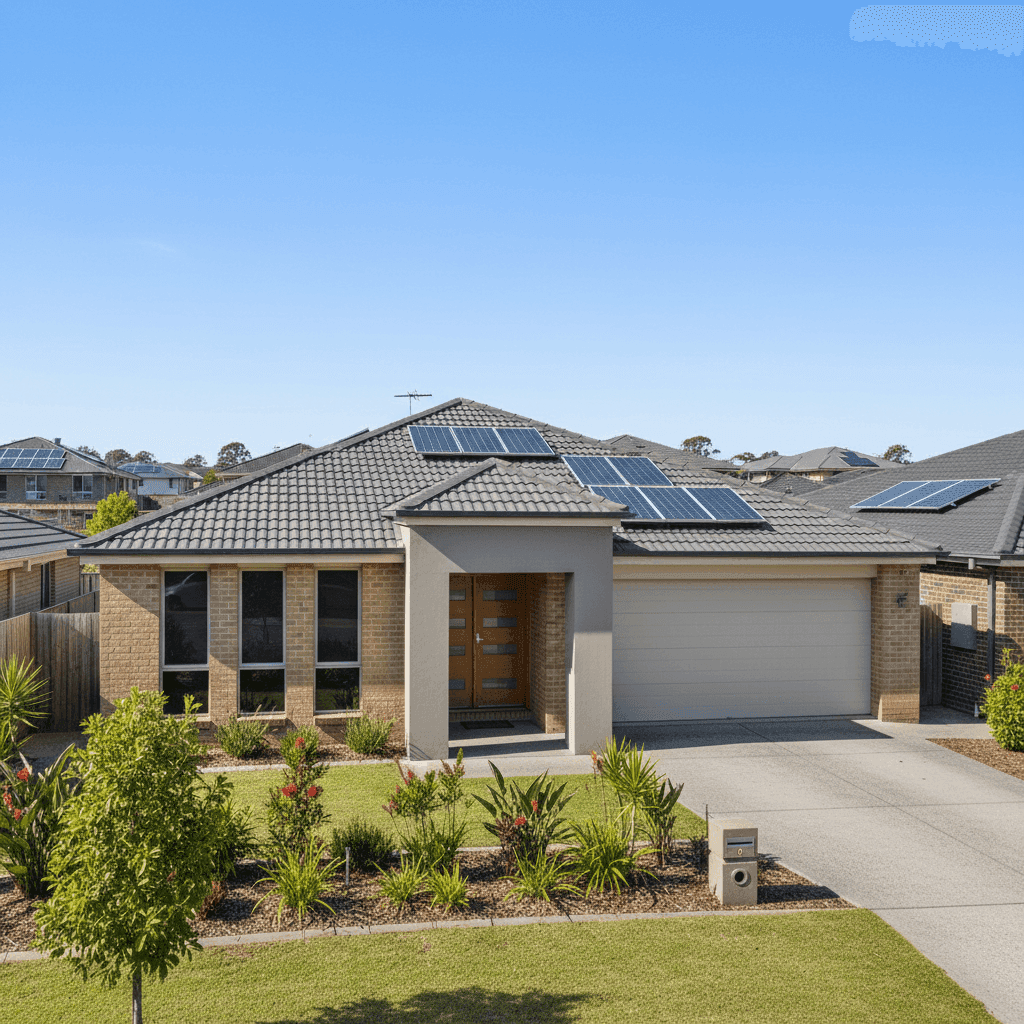
If you own a free standing home in Sunnybank Hills, QLD 4109, you've probably wondered whether you're paying a fair price for home insurance — or leaving money on the table. This article breaks down a real home and contents insurance quote for a four-bedroom, three-bathroom brick veneer property in the suburb, and benchmarks it against local, state, and national data so you can make a genuinely informed decision.
---
Is This Quote Fair?
The quote in question comes in at $1,401 per year (or roughly $137 per month) for combined home and contents cover, with a building sum insured of $600,000 and contents valued at $50,000. The building excess is set at $3,000, and the contents excess at $600.
Based on CoverClub's pricing data, this quote is rated CHEAP — meaning it sits well below the average for comparable properties in the area. That's a meaningful result. In a suburb where the average annual premium sits at $2,272 and the median is $2,288, paying $1,401 represents a saving of roughly $870 per year compared to what most Sunnybank Hills homeowners are paying.
Even against the 25th percentile benchmark — the point at which only 25% of quotes come in cheaper — this premium of $1,401 undercuts the $1,751 mark. In practical terms, this policy is priced in the most competitive tier available in the suburb.
---
How Sunnybank Hills Compares
To put this quote in proper context, it helps to zoom out and look at the broader pricing landscape. You can explore the full data on the Sunnybank Hills insurance stats page.
| Benchmark | Annual Premium |
|---|---|
| This quote | $1,401 |
| Suburb average (Sunnybank Hills) | $2,272 |
| Suburb median | $2,288 |
| Suburb 25th percentile | $1,751 |
| Suburb 75th percentile | $2,714 |
| LGA average (Brisbane) | $4,485 |
| QLD state average | $4,547 |
| QLD state median | $3,931 |
| National average | $2,965 |
| National median | $2,716 |
The contrast with Queensland's state average is particularly striking. Across QLD, the average home insurance premium is $4,547 per year — more than three times the cost of this quote. Much of that state-wide figure is driven by high-risk coastal and cyclone-prone regions in North Queensland, where premiums can be eye-watering. You can see a full breakdown on the QLD insurance stats page.
Even against the national average of $2,965, this Sunnybank Hills quote is considerably cheaper — by over $1,500 annually. Sunnybank Hills, sitting in Brisbane's southern suburbs, benefits from a relatively benign risk profile compared to much of Queensland, which helps keep premiums competitive.
---
Property Features That Affect Your Premium
Several characteristics of this particular property work in its favour from an insurance pricing perspective.
Brick veneer construction is generally well regarded by insurers. It offers solid resistance to fire and reasonable structural durability, which tends to translate into lower risk assessments compared to timber-framed or weatherboard homes.
A concrete tile roof is another positive. Concrete tiles are durable and perform well in storms and heavy rain — common weather events in South East Queensland. Insurers typically view them more favourably than older materials like corrugated iron or asbestos cement sheeting.
Slab foundation is the standard for homes built in this era and region, and it presents minimal additional risk. Similarly, tile flooring throughout the home reduces the likelihood of water damage claims compared to timber or carpet in wet areas.
Solar panels are worth noting. While they add value to the home, some insurers treat them as an additional risk factor — particularly if they're not properly secured or if the home is in a hail-prone area. It's worth confirming that your policy explicitly covers solar panels as part of the building sum insured.
Ducted climate control is another feature that can influence premiums slightly, as it represents a higher-value mechanical system within the home. Again, checking that this is captured within your building cover is important.
The property was built in 2010, making it a relatively modern home. Newer builds generally attract lower premiums because they're constructed to more recent building codes, which include improved structural and fire safety standards.
Finally, the absence of a swimming pool removes a liability risk that some insurers price into their premiums.
---
Tips for Homeowners in Sunnybank Hills
1. Review your building sum insured regularly. A $600,000 sum insured may be appropriate now, but construction costs in Brisbane have risen significantly in recent years. Underinsurance is one of the most common — and costly — mistakes homeowners make. Consider getting a building replacement cost estimate every two to three years.
2. Check your solar panel coverage explicitly. Solar panels are a common source of confusion in home insurance policies. Some policies cover them automatically as part of the building; others require a specific endorsement. Ask your insurer directly and get it in writing.
3. Take advantage of Sunnybank Hills' lower risk profile. This suburb sits outside designated cyclone risk zones and doesn't face the same flood or bushfire exposure as many other parts of Queensland. When comparing quotes, make sure insurers are accurately capturing your property's location and risk profile — errors here can inflate your premium unnecessarily.
4. Don't set-and-forget your policy. Even if you've secured a great rate, the insurance market changes every year. Premiums can shift significantly at renewal, and a policy that was competitive 12 months ago may no longer be. Make a habit of comparing quotes annually.
---
Compare Your Home Insurance at CoverClub
Whether you're a first-time buyer or a long-time Sunnybank Hills resident, it pays to know what the market looks like before you commit to a policy. CoverClub makes it easy to benchmark your current premium and explore your options. Get a home insurance quote today and find out whether you're getting a genuinely good deal — or whether there's a better one waiting for you.