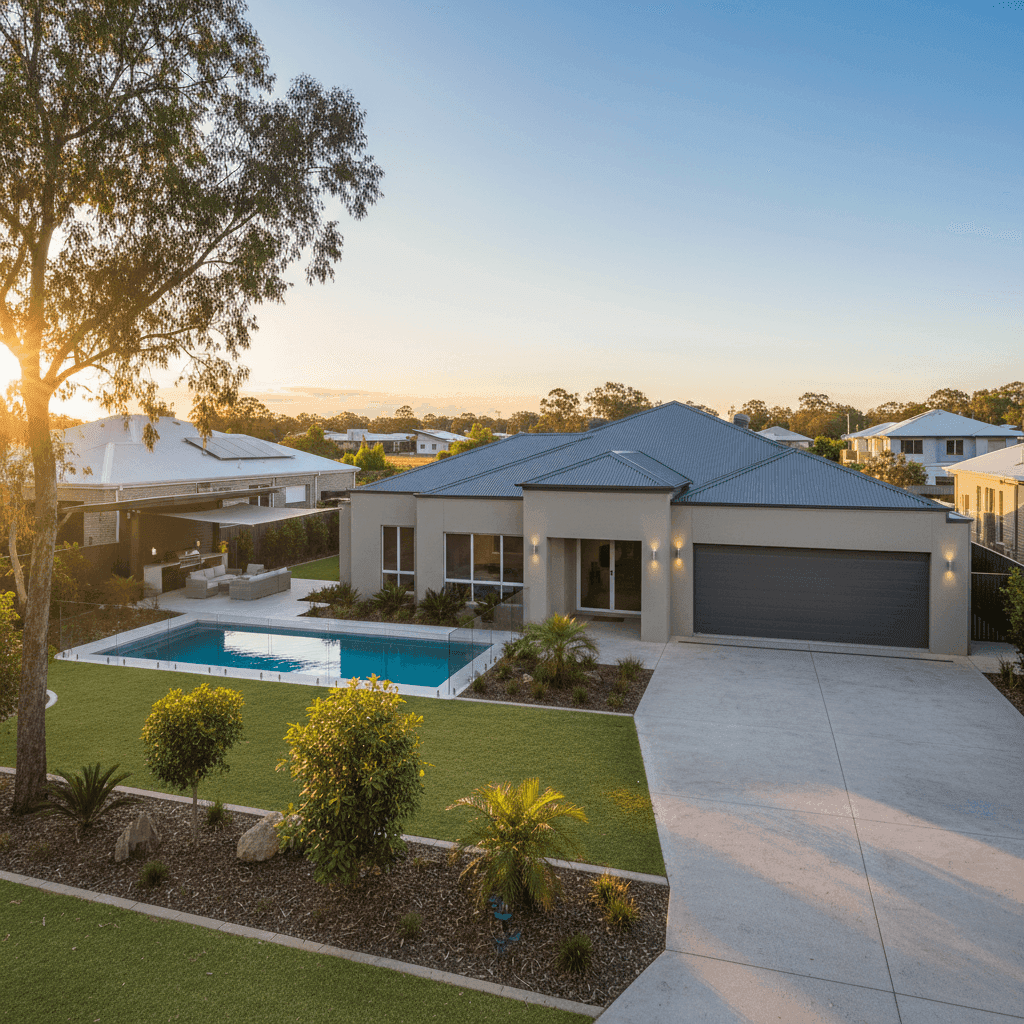
If you own a free standing home in Sunset, QLD 4825, understanding what you should be paying for home and contents insurance is one of the smartest financial moves you can make. Premiums across Queensland — and Australia more broadly — have climbed sharply in recent years, so knowing whether your quote is genuinely competitive or quietly overpriced can save you hundreds of dollars annually.
This article breaks down a real insurance quote for a five-bedroom, three-bathroom free standing home in Sunset, comparing it against local Sunset data, Queensland-wide benchmarks, and national averages — so you can see exactly where this property sits in the broader market.
---
Is This Quote Fair?
The annual premium for this property comes in at $2,015 per year (or $180/month), covering both building and contents. Our price rating for this quote is CHEAP — meaning it sits below the average for comparable cover in Queensland.
To put that in perspective: the Queensland state average premium is $9,129 per year, and the state median sits at $3,903. Even against the national average of $5,347 and the national median of $2,764, this quote is notably competitive. At $2,015, it falls below both the national median and is less than a quarter of the Queensland average — a genuinely strong result for the policyholder.
It's worth noting the building sum insured is set at $1,000,000, which is quite generous for a 139 sqm home. That high coverage ceiling could ordinarily push premiums upward, yet the quote remains well below average. The contents are insured for $98,000, which is a reasonable figure for a well-furnished family home of this size.
The building excess is $5,000 and the contents excess is $1,000. The higher building excess is a common lever insurers use to reduce premiums — and it's likely contributing to keeping this annual cost low. Homeowners should be comfortable self-insuring smaller building claims before this policy kicks in.
---
How Sunset Compares
While suburb-level comparison data isn't available for Sunset at this time, we can draw meaningful context from the broader region and state.
| Benchmark | Annual Premium |
|---|---|
| This Quote | $2,015 |
| LGA (Carpentaria) Average | $5,066 |
| QLD State Median | $3,903 |
| QLD State Average | $9,129 |
| National Median | $2,764 |
| National Average | $5,347 |
The Carpentaria LGA average of $5,066 is particularly telling — it reflects the risk profile of the broader region, which can be influenced by factors like remoteness, extreme weather exposure, and limited insurer competition in outback and far north Queensland. Against that local benchmark, this $2,015 quote represents a saving of over $3,000 per year.
For more detailed pricing trends across Queensland, visit the QLD insurance stats page, or explore national home insurance data to see how your state stacks up against the rest of Australia.
---
Property Features That Affect Your Premium
Several characteristics of this property directly influence what an insurer charges — for better or worse. Here's how the key features of this home play out:
Concrete External Walls
Concrete construction is generally viewed favourably by insurers. It's highly resistant to fire, termites, and wind damage, which translates to lower risk and — in many cases — lower premiums compared to timber-framed homes.
Steel / Colorbond Roof
A Colorbond steel roof is another tick in the insurer's box. These roofs are durable, low-maintenance, and perform well in harsh Australian conditions including high winds and heavy rain. They're far less susceptible to damage than older tile or iron roofing.
Slab Foundation
A concrete slab foundation is standard across much of Queensland and is considered a stable, low-risk base. It eliminates the risk of subfloor moisture issues and pest intrusion that can affect homes on raised stumps.
Tile Flooring
Tiled floors are practical and durable, and they don't carry the fire or water damage risks associated with carpet or timber flooring. From an insurance perspective, they're a neutral-to-positive feature.
Swimming Pool
A pool does introduce additional liability risk, which can nudge premiums slightly higher. Insurers consider the potential for accidental injury and the cost of pool-related property damage. Ensuring your policy explicitly covers pool equipment and fencing is important.
Ducted Climate Control
Ducted air conditioning systems are a significant asset in Queensland's climate, and their replacement cost is meaningful. It's worth confirming your sum insured accounts for the full replacement value of this system, as it can easily represent $10,000–$20,000 or more.
Construction Year: 1976
At nearly 50 years old, this home sits in a vintage bracket that can attract closer scrutiny from insurers. Older homes may have ageing electrical wiring, plumbing, and roofing components that increase the likelihood of a claim. The concrete construction and Colorbond roof likely offset some of this concern.
---
Tips for Homeowners in Sunset
1. Review your building sum insured regularly With a sum insured of $1,000,000 on a 139 sqm home, it's worth checking whether this figure aligns with realistic rebuild costs in your area. Over-insuring isn't necessarily harmful, but under-insuring can leave you significantly out of pocket after a major loss. Use a building cost calculator annually to stay calibrated.
2. Understand the implications of your $5,000 building excess A high excess keeps premiums down but means you'll cover the first $5,000 of any building claim yourself. Make sure you have accessible savings to cover this if needed, and consider whether a lower excess option might be worth the additional premium cost.
3. Confirm your pool and outbuildings are covered In Queensland, pools and associated fencing, pumps, and filtration equipment should be explicitly covered under your policy. Check the product disclosure statement (PDS) carefully to confirm what's included and whether separate limits apply.
4. Get comparison quotes every renewal Even if your current premium is competitive, the insurance market shifts constantly. Insurers reprice risk annually, and loyalty doesn't always pay. Using a comparison platform like CoverClub at renewal time takes minutes and could surface a better deal — or confirm you're already getting value.
---
Compare Your Home Insurance Today
Whether you're a homeowner in Sunset or anywhere else in Australia, comparing quotes is the single most effective way to ensure you're not overpaying. CoverClub makes it easy to see what multiple insurers would charge for your specific property — in seconds.
Get a home insurance quote now and see how your premium stacks up against the market. You might be pleasantly surprised.