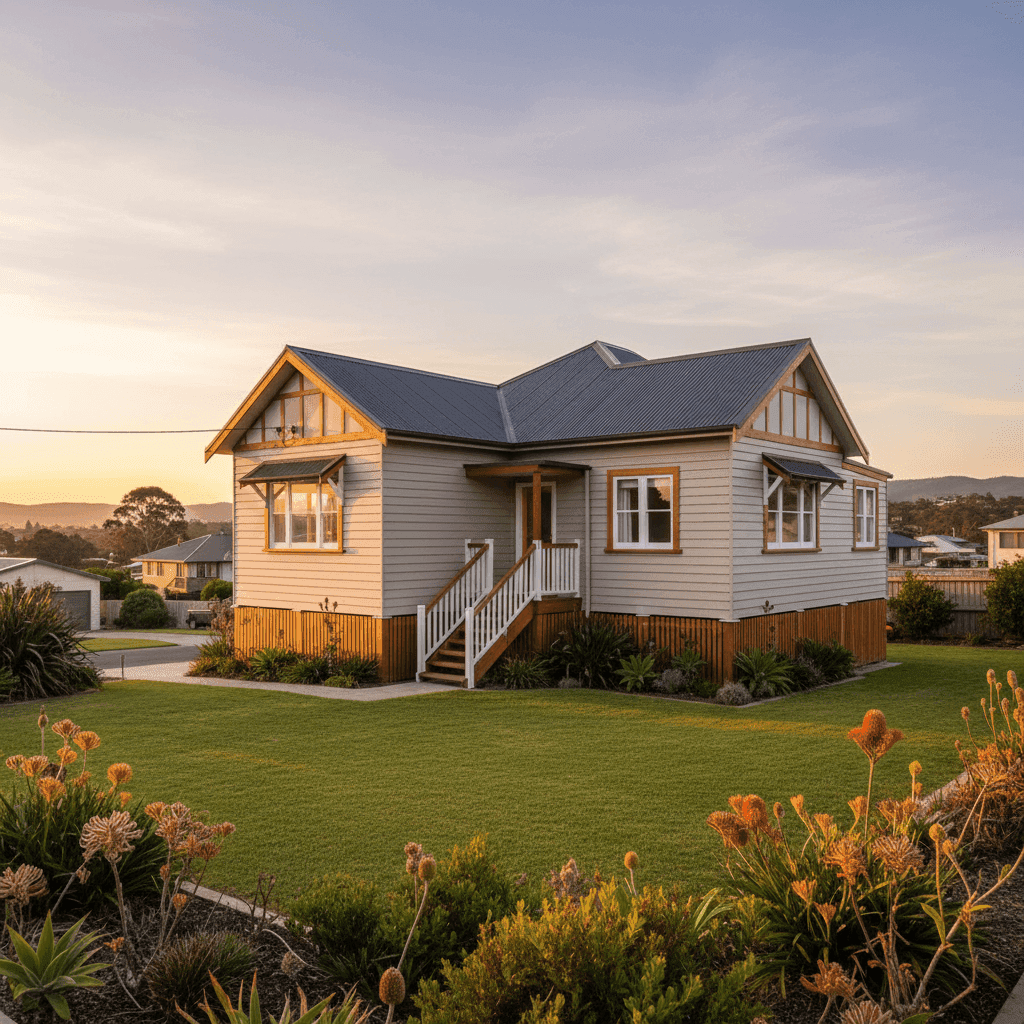
Nestled along Victoria's stunning Bass Coast, Sunset Strip (VIC 3922) is a sought-after coastal community known for its relaxed lifestyle and proximity to Phillip Island. For homeowners in this area, understanding what you should be paying for home insurance — and why — can make a meaningful difference to your household budget. In this article, we break down a real home and contents insurance quote for a four-bedroom, free-standing home in Sunset Strip, and put it in context with local, state, and national benchmarks.
---
Is This Quote Fair?
The quote in question comes in at $1,417 per year (or $138 per month) for combined home and contents cover, with a building sum insured of $549,000 and contents valued at $25,000. The building excess is set at $3,000, and the contents excess at $1,000.
Based on CoverClub's pricing data, this quote is rated CHEAP — sitting well below average for the region. That's genuinely good news for the homeowner. To put it in perspective:
- The Bass Coast LGA average is $2,307/yr
- The Victorian state average is $2,921/yr, with a median of $2,694/yr
- The national average sits at $2,965/yr, with a median of $2,716/yr
At $1,417/yr, this quote is roughly 39% below the Bass Coast LGA average and nearly 52% below the Victorian state average. That's a substantial saving — over $1,500 per year compared to what many Victorian homeowners are paying.
Of course, price alone doesn't tell the whole story. It's important to ensure the policy provides adequate coverage for your specific needs, but from a pure cost standpoint, this quote represents strong value.
---
How Sunset Strip Compares
While no suburb-level data is available for Sunset Strip specifically, the Bass Coast LGA average of $2,307/yr already tells us that coastal Victoria commands a premium above what many inland suburbs pay. Coastal properties can attract higher base rates due to factors like wind exposure, salt air corrosion, and the general cost of rebuilding in regional or semi-remote areas.
Comparing more broadly:
| Benchmark | Annual Premium |
|---|---|
| This Quote | $1,417 |
| Bass Coast LGA Average | $2,307 |
| VIC State Average | $2,921 |
| National Average | $2,965 |
You can explore broader Victorian home insurance statistics or dive into national home insurance benchmarks to see how different regions stack up across the country.
The fact that this quote sits so far below even the LGA average suggests a combination of favourable property characteristics, a competitive insurer, and perhaps a higher-than-typical excess arrangement — all of which contribute to the lower premium.
---
Property Features That Affect Your Premium
Every home is unique, and insurers assess a range of property-specific factors when calculating your premium. Here's how the features of this particular home come into play:
Weatherboard Timber Walls
Weatherboard construction is one of the most common wall types in older Australian homes, and it's prevalent throughout coastal Victoria. While timber weatherboard homes have great charm, they are considered a moderate-to-higher risk by insurers compared to brick veneer or full brick, primarily due to fire susceptibility. This can push premiums up slightly, though it's clearly been offset by other factors here.
Steel / Colorbond Roof
A Colorbond steel roof is generally viewed favourably by insurers. It's durable, low-maintenance, resistant to ember attack, and performs well in high-wind conditions — all relevant considerations for a coastal property. This roof type can contribute to a more competitive premium.
Stump Foundation
The home sits on stumps, which is typical for older timber homes in coastal and regional Victoria. Stump foundations allow for airflow beneath the home, which can help with moisture management. However, they may require periodic maintenance inspections, and some insurers factor in the added complexity of underfloor access when assessing rebuild costs.
Timber / Laminate Flooring
Timber and laminate floors are popular for their aesthetics, but they can be more susceptible to water damage than tiles. For contents and building claims involving water ingress, this is worth keeping in mind.
Year Built: 2001
A home built in 2001 sits in a relatively modern bracket — post the major building code updates of the 1990s, which introduced stricter standards for wind and structural loads. This works in the homeowner's favour when it comes to risk assessment.
No Pool, Solar Panels, or Ducted Climate Control
The absence of a pool removes a significant liability risk. No solar panels means fewer potential electrical fault claims. And without ducted climate control, there's one less complex system that could malfunction and cause damage. These omissions collectively contribute to a cleaner risk profile.
Building Size: 235 sqm
At 235 square metres, this is a comfortably sized family home. The $549,000 building sum insured works out to approximately $2,336 per sqm — broadly in line with current rebuild cost estimates for regional Victoria, though homeowners should regularly review this figure to ensure it keeps pace with rising construction costs.
---
Tips for Homeowners in Sunset Strip
Whether you're reviewing your existing policy or shopping for new cover, here are four practical tips tailored to homeowners in Sunset Strip and the broader Bass Coast region:
- Review your sum insured annually. Construction costs have risen sharply in recent years. What was adequate coverage two or three years ago may leave you underinsured today. Use a building calculator or speak to a local builder to get a realistic rebuild estimate for your area.
- Consider your excess carefully. This quote carries a $3,000 building excess — higher than many standard policies. While a higher excess typically lowers your premium, make sure you could comfortably cover that amount out of pocket if you needed to make a claim. It's a balance between short-term savings and financial readiness.
- Maintain your weatherboard exterior. Timber weatherboard requires regular painting and sealing to prevent moisture damage and rot. Some insurers may reduce or deny claims if damage is attributed to poor maintenance. Keeping your home in good condition isn't just smart property management — it protects your insurance entitlements too.
- Compare quotes regularly. The insurance market is competitive, and premiums can vary enormously between providers for the same property. The fact that this quote is nearly 52% below the Victorian state average is a perfect example of why it pays to shop around. Use a comparison tool like CoverClub to benchmark your current policy against the market.
---
Ready to Compare Your Own Quote?
Whether you're a first-time buyer in Sunset Strip or a long-time local looking to make sure you're not overpaying, CoverClub makes it easy to see how your home insurance stacks up. Get a quote and compare your options today — it takes just a few minutes and could save you hundreds of dollars a year.