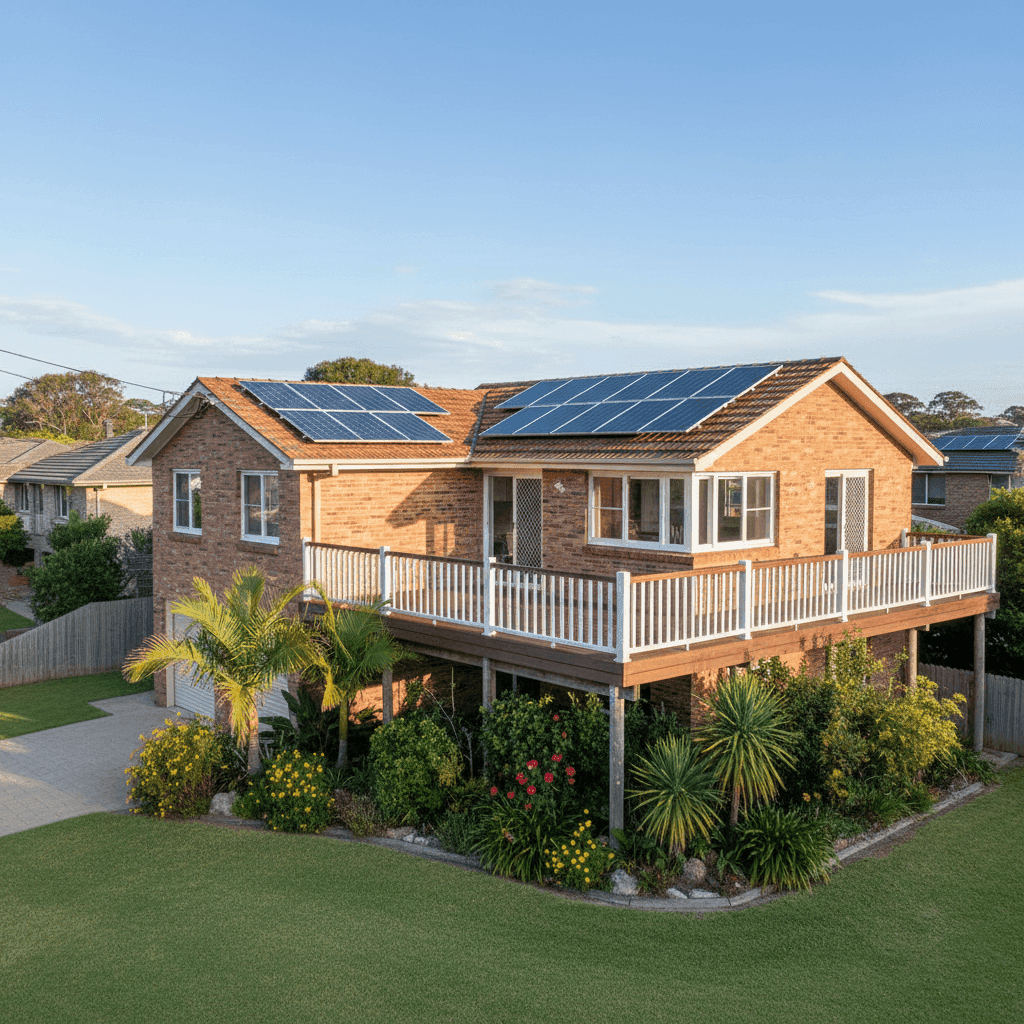
Sunshine Bay is a quiet coastal suburb nestled within the Shoalhaven region of New South Wales, sitting just south of Batemans Bay along the NSW South Coast. It's a popular area for families and sea-changers alike, thanks to its relaxed lifestyle and proximity to the beach. But owning property here — particularly a well-appointed free standing home — comes with real insurance considerations. This article breaks down a recent home and contents insurance quote for a four-bedroom brick veneer home in Sunshine Bay, and puts the numbers into context so you can make a more informed decision about your own cover.
---
Is This Quote Fair?
The quote in question comes in at $3,743 per year (or $377 per month) for combined home and contents insurance, covering a building sum insured of $1,310,000 and contents valued at $114,000. The building excess is set at $3,000, while the contents excess is a more modest $500.
Based on CoverClub's pricing data, this quote has been rated Expensive — Above Average for the area. That doesn't necessarily mean it's a bad policy, but it does suggest there may be room to shop around. A higher sum insured and above-average fittings quality will naturally push premiums upward, and this property has both. Still, the "expensive" rating is worth paying attention to.
It's also worth noting that a $3,000 building excess is on the higher end. While a higher excess can sometimes reduce your premium, it means you'll be carrying more of the financial risk yourself in the event of a claim.
---
How Sunshine Bay Compares
To understand whether this premium is reasonable, it helps to look at the broader picture. Here's how the $3,743 annual premium stacks up against local, state, and national benchmarks:
| Benchmark | Premium |
|---|---|
| This Quote | $3,743/yr |
| Sunshine Bay Suburb Average | $3,007/yr |
| Sunshine Bay Suburb Median | $2,992/yr |
| Sunshine Bay 25th Percentile | $2,600/yr |
| Sunshine Bay 75th Percentile | $3,412/yr |
| Shoalhaven LGA Average | $3,555/yr |
| NSW State Average | $3,801/yr |
| NSW State Median | $3,410/yr |
| National Average | $2,965/yr |
| National Median | $2,716/yr |
(Based on 18 quotes sampled in the Sunshine Bay area.)
A few things stand out here. This quote sits above the suburb average by roughly $736 per year, and also above the suburb's 75th percentile of $3,412 — meaning it's pricier than at least three-quarters of comparable quotes in the area. That said, it falls below the NSW state average of $3,801, which provides some reassurance that it's not wildly out of step with broader NSW pricing.
Compared to the national average of $2,965, however, the premium is noticeably higher — a reflection of the elevated risk profile that coastal NSW properties can carry. You can explore Sunshine Bay-specific insurance data, NSW state averages, and national benchmarks on CoverClub to dig deeper into the numbers.
---
Property Features That Affect Your Premium
Several characteristics of this particular property are likely influencing the premium — some pushing it higher, others potentially keeping it in check.
Features That May Increase the Premium
- High building sum insured ($1,310,000): This is the single biggest driver of premium cost. A higher rebuild value means the insurer is on the hook for more in a total loss scenario, and that risk is priced accordingly.
- Above-average fittings quality: Kitchens, bathrooms, and fixtures of a higher standard cost more to repair or replace. Insurers factor this into their pricing models.
- Elevated on stumps: While being elevated at least one metre off the ground can reduce flood risk, it introduces other considerations — including the cost of repairing or replacing the subfloor structure in the event of damage.
- Timber/laminate flooring: Timber floors can be more susceptible to water damage and are generally more expensive to replace than tiles or carpet, which can nudge premiums upward.
- Coastal location: Sunshine Bay's proximity to the coast means exposure to salt air, storm surge risk, and potentially higher wind events — all factors that insurers weigh up when calculating premiums in the Shoalhaven region.
Features That May Help Keep Costs Down
- Brick veneer construction: Brick veneer walls are considered a relatively resilient building material and are generally viewed favourably by insurers compared to timber-clad or weatherboard homes.
- Tiled roof: Tiles are a durable roofing material that tends to perform well in assessments of storm and fire resistance.
- Built in 2005: A home built in 2005 benefits from more modern building codes and construction standards than older properties, which can reduce the likelihood of structural issues and claims.
- No pool: Pools add liability and maintenance risk to a property. Not having one removes a potential premium loading.
- Not in a cyclone risk area: Properties in cyclone-prone regions face significant premium loadings. Sunshine Bay falls outside these zones, which is a meaningful saving.
- Solar panels: While solar panels can sometimes add a small amount to building cover (they need to be insured as part of the structure), they're generally a minor factor.
- Ducted climate control: Similar to solar, ducted systems are a fixed building asset that adds modest value to the sum insured but doesn't typically drive large premium changes.
---
Tips for Homeowners in Sunshine Bay
If you're a homeowner in Sunshine Bay looking to get better value from your home insurance, here are a few practical steps worth considering.
1. Review your sum insured carefully. A building sum insured of $1,310,000 is substantial. Make sure it reflects the actual cost to rebuild your home — not its market value. Over-insuring can mean you're paying more in premiums than necessary, while under-insuring leaves you exposed. Use a building cost calculator or speak with a quantity surveyor to get an accurate figure.
2. Compare quotes from multiple insurers. With this quote sitting above the suburb's 75th percentile, there's a real chance a comparable policy is available at a lower price. Get a quote through CoverClub to compare options side by side without the legwork.
3. Consider your excess settings. The $3,000 building excess on this policy is high. While a higher excess can sometimes lower your annual premium, it's worth modelling the trade-off — especially if you'd struggle to cover that cost out of pocket at short notice following a storm or fire event.
4. Bundle strategically, but don't assume it's always cheaper. Home and contents bundling is common and can offer savings, but it's worth checking whether separate policies from different providers might actually come out ahead. The $114,000 contents value here is meaningful — make sure that figure is accurate and that you're not over- or under-insuring your belongings.
---
Ready to Find a Better Deal?
Whether you're renewing your existing policy or shopping around for the first time, comparing quotes is the single most effective way to ensure you're not overpaying. CoverClub makes it easy to see what other homeowners in Sunshine Bay and across NSW are paying — and to find a policy that suits your property and your budget. Start comparing home insurance quotes today.