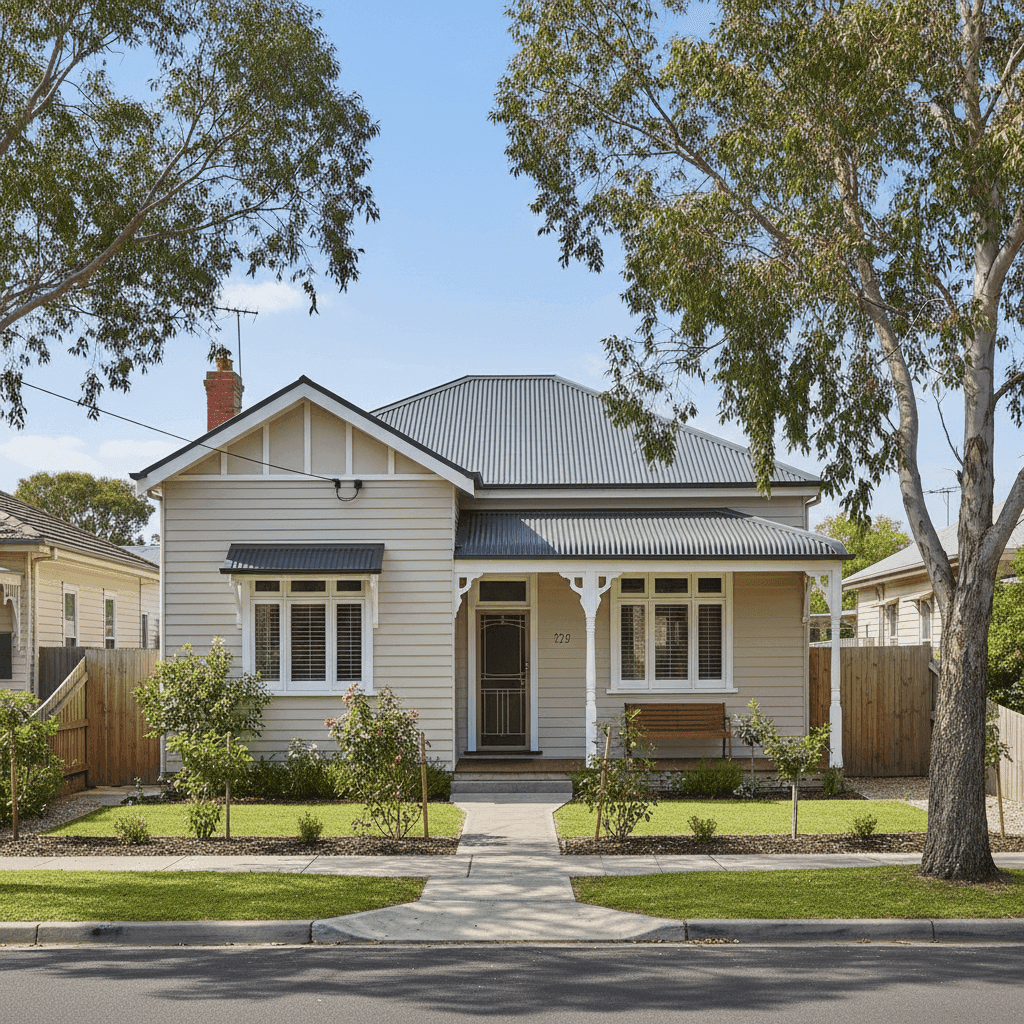
If you own a free standing home in Sunshine, VIC 3020, you're probably curious about what a fair home and contents insurance premium looks like — and whether the quote sitting in your inbox is worth accepting. Sunshine is a well-established suburb in Melbourne's west, part of the City of Brimbank, and home to a diverse mix of older character properties and newer builds. In this article, we analyse a recent home and contents insurance quote for a three-bedroom, two-bathroom free standing home in the area, and put the numbers in context so you can make a more informed decision.
---
Is This Quote Fair?
The quote in question comes in at $1,551 per year (or $159 per month) for combined home and contents cover, with a building sum insured of $658,000 and contents valued at $50,000. The building excess is $3,000 and the contents excess is $500.
Based on our pricing data, this quote is rated Expensive — above the suburb average. The average home insurance premium across comparable quotes in Sunshine sits at around $1,266 per year, with a median of $1,283 per year. That means this particular quote is running roughly $285 above the suburb average — not an enormous gap, but meaningful when compounded over several years.
That said, context matters. The 75th percentile for Sunshine premiums is $1,531 per year, meaning this quote sits just above the top quarter of local prices. It's not an outlier, but it does suggest there's room to shop around. The 25th percentile sits at $1,083 per year — so the difference between the cheapest and most expensive quotes in this suburb spans nearly $450 annually.
---
How Sunshine Compares
One of the most useful things you can do when evaluating a quote is zoom out and compare it against broader benchmarks. Here's how Sunshine stacks up:
| Benchmark | Average Premium |
|---|---|
| Sunshine (suburb) | $1,266/yr |
| Brimbank LGA | $1,707/yr |
| Victoria (state) | $3,000/yr |
| Australia (national) | $5,347/yr |
Sunshine homeowners are actually in a relatively favourable position compared to both state and national averages. The Victorian state average sits at $3,000 per year, more than double the suburb average — a reflection of higher-risk and higher-value properties elsewhere in the state. The national average of $5,347 per year is even more striking, driven largely by cyclone-prone regions in Queensland and the Northern Territory.
Interestingly, the Brimbank LGA average of $1,707 per year is notably higher than the Sunshine suburb average of $1,266 — suggesting that other parts of Brimbank carry more pricing risk than Sunshine itself. You can explore local pricing trends in more detail on the Sunshine suburb stats page.
The national median of $2,764 per year and Victorian median of $2,718 per year both reinforce that Sunshine is a comparatively affordable suburb to insure — even if this particular quote is on the higher end locally.
---
Property Features That Affect Your Premium
Insurance pricing isn't arbitrary — it's driven by the specific characteristics of your property. Several features of this home are worth understanding in the context of your premium.
Weatherboard Construction
This home features weatherboard timber external walls, which is extremely common in Sunshine given the suburb's significant stock of pre-war and post-war homes. Weatherboard is considered a higher-risk material by insurers compared to brick veneer or double brick, primarily due to its susceptibility to fire and moisture damage. This can push premiums upward relative to masonry-built homes.
Steel/Colorbond Roof
On the positive side, a steel Colorbond roof is generally viewed favourably by insurers. It's durable, fire-resistant, and low-maintenance compared to terracotta tiles or older corrugated iron. This likely provides a modest offsetting benefit to the premium.
Stump Foundation
Built in 1953, this home sits on stumps — a classic foundation type for Melbourne's western suburbs. Stump foundations can be a flag for insurers due to potential subsidence, pest damage, or deterioration over time, particularly in older homes. If stumps haven't been inspected recently, it's worth getting them assessed, both for safety and to ensure your sum insured reflects any remediation costs.
Timber and Laminate Flooring
Timber and laminate flooring throughout is a standard feature for homes of this era. While attractive, timber flooring can be costly to repair or replace following water damage or flooding, which may factor into the contents and building valuation.
Ducted Climate Control
The presence of ducted climate control is a noteworthy inclusion. Ducted systems are expensive to install and replace, and their value should be factored into your building sum insured. At $658,000, the building cover here is reasonably substantial — but it's always worth confirming that your sum insured accounts for full rebuild costs, including systems like ducted heating and cooling.
Building Age
A 1953 construction date means this home is over 70 years old. Older homes often carry higher premiums due to the cost of like-for-like repairs using period-appropriate materials, as well as the increased likelihood of wear-related claims. Insurers price this risk in.
---
Tips for Homeowners in Sunshine
Whether you're reviewing an existing policy or shopping for the first time, here are some practical steps to get better value on your home insurance.
1. Compare multiple quotes before renewing Loyalty rarely pays in insurance. Prices across insurers for the same property can vary by hundreds of dollars, as the spread in Sunshine's own data shows (from $1,083 to $1,531 at the 25th and 75th percentiles). Use a comparison tool like CoverClub to see what multiple insurers would charge for your specific property.
2. Review your sum insured carefully With a building sum insured of $658,000, it's important to ensure this reflects the actual cost to rebuild — not the market value of the property. Older weatherboard homes can be expensive to reconstruct using original materials and techniques. Underinsurance is a genuine risk; consider using a building cost calculator or consulting a quantity surveyor.
3. Consider adjusting your excess This quote carries a relatively high building excess of $3,000. Opting for a higher excess is one way to reduce your annual premium, but make sure you're comfortable covering that amount out of pocket in the event of a claim. A $500 contents excess is more standard and reasonable for most households.
4. Maintain your property proactively Insurers reward lower-risk properties. Keeping your weatherboard cladding painted and sealed, having your stumps inspected, and maintaining gutters and roofing can reduce the likelihood of claims — and may support a better premium at renewal. Some insurers also offer discounts for security upgrades such as deadbolts and alarm systems.
---
Ready to Find a Better Deal?
If this quote feels steep, you don't have to accept it. CoverClub makes it easy to compare home and contents insurance quotes for properties across Sunshine and the rest of Australia. Simply enter your address and property details to see what's available — it takes just a few minutes and could save you hundreds of dollars a year.