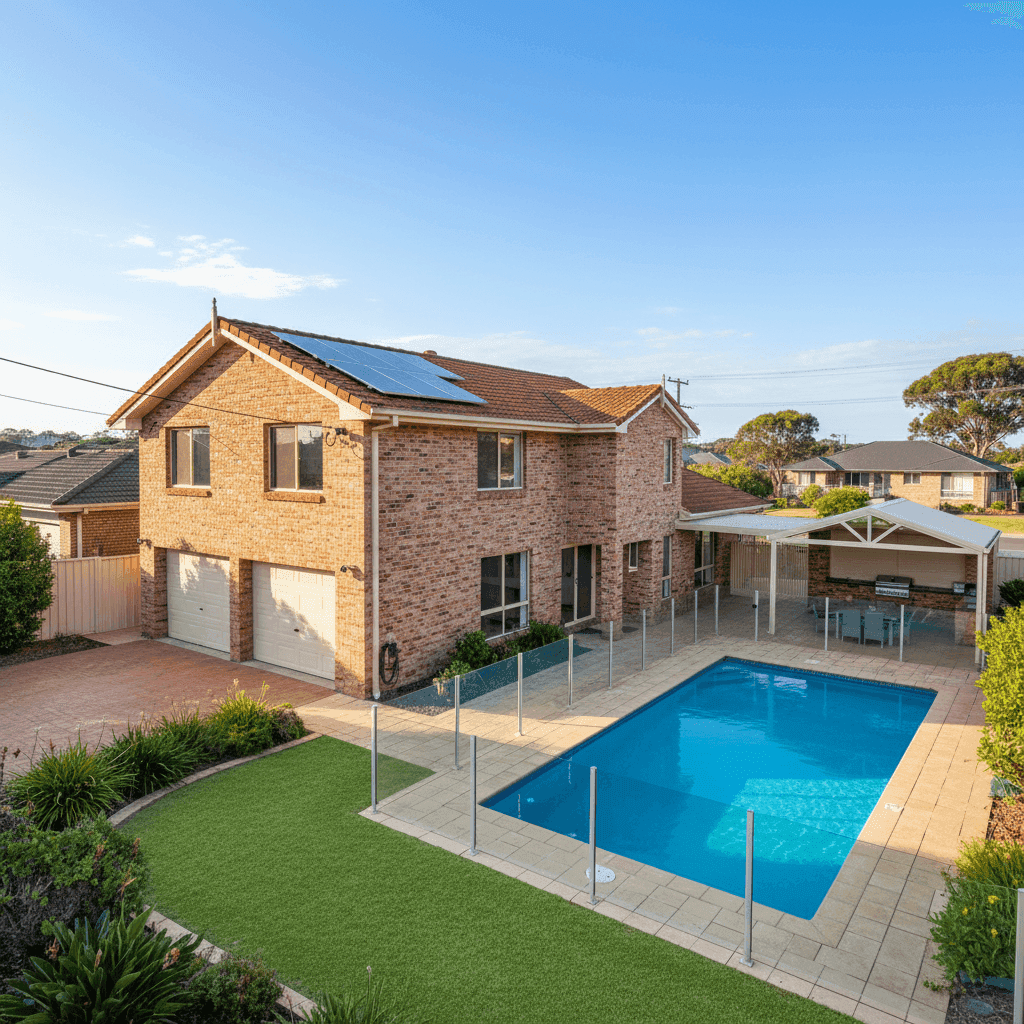
Surf Beach is a laid-back coastal suburb on the NSW South Coast, nestled within the Shoalhaven local government area and just a short drive from Batemans Bay. It's the kind of place where brick veneer homes sit comfortably among established gardens, and the relaxed seaside lifestyle comes with its own set of insurance considerations. This article takes a close look at a recent home insurance quote for a five-bedroom, two-bathroom free standing home in Surf Beach — and what the numbers actually mean for local homeowners.
---
Is This Quote Fair?
The quote in question comes in at $3,685 per year (or $353/month) for building-only cover on a property insured for $888,000. Our price rating for this quote is EXPENSIVE — Above Average.
To put that in context: the average home insurance premium across Surf Beach sits at just $1,472 per year, with a median of $1,208. This quote is more than 2.5 times the suburb average, which is a significant gap worth understanding before simply accepting the figure.
That said, it's important not to read this in isolation. A $888,000 sum insured is a substantial figure — well above what many comparable properties in the suburb are insured for — and the property itself comes with several features that insurers price carefully. We'll unpack those shortly.
The good news? This quote is still well below the NSW state average of $9,528 per year and the Shoalhaven LGA average of $11,272 per year, which suggests the coastal and regional risk factors in this part of NSW can push premiums considerably higher for some properties. Relative to the broader state picture, $3,685 is actually on the more moderate end.
---
How Surf Beach Compares
Here's how this quote stacks up across different benchmarks:
| Benchmark | Premium |
|---|---|
| This Quote | $3,685/yr |
| Surf Beach Suburb Average | $1,472/yr |
| Surf Beach Suburb Median | $1,208/yr |
| Surf Beach 25th Percentile | $985/yr |
| Surf Beach 75th Percentile | $2,000/yr |
| NSW State Average | $9,528/yr |
| NSW State Median | $3,770/yr |
| National Average | $5,347/yr |
| National Median | $2,764/yr |
| Shoalhaven LGA Average | $11,272/yr |
Note: Surf Beach suburb data is based on a sample of 15 quotes — a relatively small dataset, so treat averages as indicative rather than definitive.
You can explore the full breakdown for this postcode at our Surf Beach insurance stats page, compare it against all NSW premiums, or see where it sits on the national picture.
What stands out here is the gap between the Shoalhaven LGA average ($11,272) and the suburb average ($1,472). This suggests significant variation within the LGA — likely driven by flood zones, bushfire-prone land, and proximity to water. Surf Beach itself appears to attract more moderate premiums than some of its LGA neighbours, which is worth keeping in mind.
---
Property Features That Affect Your Premium
Several characteristics of this property have a direct bearing on the premium quoted. Here's what insurers are likely factoring in:
Size and Sum Insured
At 277 sqm, this is a generously sized home — and the $888,000 sum insured reflects that. Building insurance is fundamentally about the cost to rebuild, and larger homes cost more to reconstruct. A higher sum insured means a higher premium, almost without exception.
Construction Year and Materials
Built in 1987, the home falls into a common era of Australian residential construction. Brick veneer external walls and a tiled roof are generally viewed favourably by insurers — both materials are durable, fire-resistant, and relatively low-maintenance compared to alternatives like weatherboard or metal roofing. The concrete slab foundation also tends to be seen as structurally sound.
Swimming Pool
A pool adds liability exposure and increases the replacement cost of the property. Insurers typically factor in the cost to repair or replace pool infrastructure, fencing, and associated equipment — all of which can add meaningfully to a premium.
Solar Panels
Solar panel systems are increasingly common, but they do add to the insured value of the home. Panels can be damaged by hail, storms, or falling debris, and replacement costs have climbed in recent years. Some insurers include them automatically under building cover; others treat them as a separate item.
Ducted Climate Control
Ducted systems are expensive to repair or replace and are typically included in building cover. A full ducted system in a 277 sqm home could represent a significant portion of the rebuild cost.
Flooring
Carpet throughout is standard for this type of home and doesn't significantly affect building-only premiums (it would matter more under contents cover).
---
Tips for Homeowners in Surf Beach
If you're a homeowner in Surf Beach or the surrounding area, here are four practical steps to make sure you're getting the right cover at a fair price.
1. Review Your Sum Insured Carefully
The single biggest driver of your premium is the sum insured. Make sure your figure reflects the cost to rebuild — not the market value of your property. These are often very different numbers. Use a building cost calculator or speak with a quantity surveyor if you're unsure. Over-insuring is costly; under-insuring can be devastating at claim time.
2. Compare Multiple Quotes
With only 15 quotes in our Surf Beach dataset, there's real variation in what different insurers will charge for the same property. Premiums for comparable homes in this suburb range from under $1,000 to over $2,000 — and this quote sits above even that upper band. Shopping around can make a material difference. Get a comparison quote at CoverClub to see what else is available.
3. Ask About Discounts for Safety Features
Homes with security systems, smoke alarms, and quality locks can attract discounts with some insurers. Your solar panels and ducted system may also be viewed positively if they're newer and well-maintained. It's always worth asking what discounts apply.
4. Understand Your Excess
This policy carries a $1,000 building excess. Opting for a higher excess — say, $2,500 or $5,000 — can reduce your annual premium noticeably. If you have savings to cover a larger out-of-pocket cost in a claim scenario, this can be a smart trade-off.
---
Ready to Compare?
Whether you're reviewing an existing policy or shopping for the first time, comparing quotes is the fastest way to know if you're paying a fair price. At CoverClub, you can enter your property details and instantly see how your premium stacks up against real quotes from across your suburb, state, and nationally. It takes minutes — and the savings can be significant.