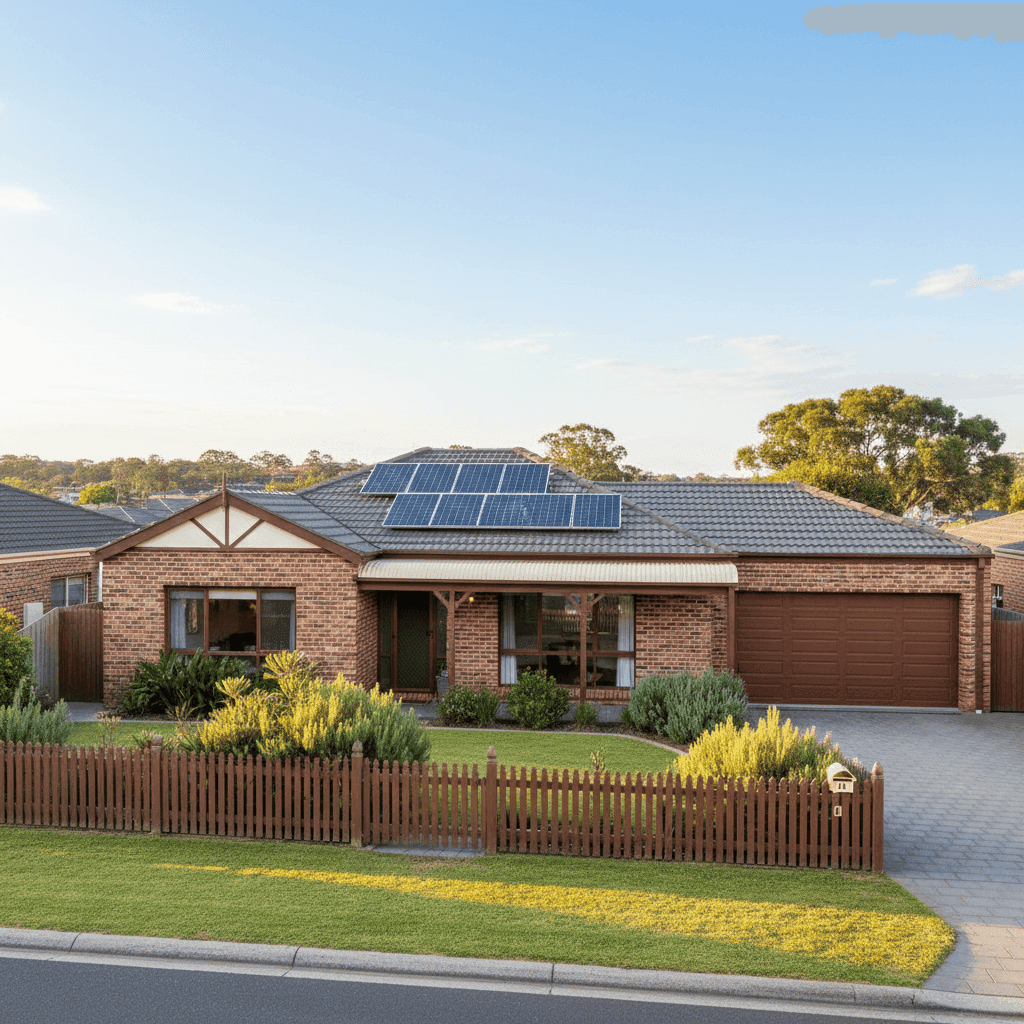
If you own a free standing home in Surfside, NSW 2536, you're living in one of the South Coast's most relaxed coastal communities — but that laid-back lifestyle doesn't always translate to relaxed insurance premiums. This article breaks down a real home and contents insurance quote for a three-bedroom brick veneer home in Surfside, examines how it stacks up against local, state, and national benchmarks, and offers practical tips to help you get better value on your cover.
---
Is This Quote Fair?
The quote in question comes in at $3,412 per year (or $327 per month) for combined home and contents cover, with a building sum insured of $565,000 and contents valued at $50,000. Both the building and contents excess sit at $1,000.
Our price rating for this quote is Expensive — above average for the Surfside area.
To put that in perspective: the suburb average premium for Surfside sits at just $1,693 per year, and the median is $1,685. That means this quote is more than double what most comparable properties in the postcode are paying. Even at the 75th percentile — meaning three-quarters of Surfside quotes are cheaper — the figure is only $1,870. This quote lands well above that ceiling.
That said, context matters. The building sum insured of $565,000 is a significant figure, and the property's characteristics — including its age (built in 1984), stump foundation, and timber/laminate flooring — can all push premiums higher. Solar panels also add replacement value that insurers factor into their pricing. So while the quote is expensive relative to the suburb, it may partially reflect the specific risk profile of this home rather than simply an uncompetitive rate.
Still, a gap this wide warrants shopping around.
---
How Surfside Compares
Understanding where Surfside sits in the broader insurance landscape helps put this quote in sharper relief. You can explore full suburb-level data on the Surfside insurance stats page.
| Benchmark | Annual Premium |
|---|---|
| This quote | $3,412 |
| Surfside suburb average | $1,693 |
| Surfside suburb median | $1,685 |
| Surfside 75th percentile | $1,870 |
| NSW state median | $3,770 |
| National median | $2,764 |
Interestingly, when you zoom out to the NSW state level, this quote actually sits below the state median of $3,770 — and well below the NSW average of $9,528 (which is heavily skewed by high-risk and high-value properties). At the national level, the median is $2,764, putting this quote about 23% above the national midpoint.
It's also worth noting that the broader Shoalhaven LGA average is a striking $11,272 per year — a figure driven by a wide range of property types, flood-prone areas, and coastal risk zones across the local government area. Relative to the LGA average, this Surfside quote is actually quite reasonable.
The takeaway? This quote is expensive for Surfside specifically, but not outlandish in a wider NSW or national context. The suburb sample size of just 8 quotes also means local averages should be interpreted with some caution — more data points would give a clearer picture.
---
Property Features That Affect Your Premium
Several characteristics of this property are likely influencing the premium, some upward and some that may be neutral or even favourable.
Construction year (1984): Homes built in the early-to-mid 1980s predate many modern building codes, which can make them costlier to repair or rebuild to current standards. Insurers often apply a loading to older properties for this reason.
Stump foundation: Homes on stumps (also called timber or concrete piers) are common in coastal and hilly NSW areas, but they can be more susceptible to movement, moisture damage, and pest activity. This foundation type can attract a higher premium compared to slab-on-ground construction.
Timber and laminate flooring: While aesthetically popular, timber flooring is more expensive to replace than carpet and can be vulnerable to water damage — both factors that insurers weigh when pricing contents and building cover.
Brick veneer walls and concrete roof: On the positive side, brick veneer construction and a concrete (tile) roof are generally viewed favourably by insurers. They offer solid fire resistance and durability, which can help moderate premiums compared to, say, weatherboard or fibrous cement cladding.
Solar panels: The presence of solar panels adds to the replacement cost of the building. Panels themselves can be damaged by hail, storm, or fire, and their inclusion in the sum insured is appropriate — but it does contribute to a higher overall premium.
Building size (139 sqm) and sum insured ($565,000): A sum insured of $565,000 for a 139 sqm home works out to roughly $4,065 per square metre — a figure that reflects current construction costs in coastal NSW, which have risen sharply in recent years. Ensuring your sum insured is accurate (not over or under-insured) is critical.
---
Tips for Homeowners in Surfside
1. Compare quotes from multiple insurers The most effective way to reduce your premium is to get competing quotes. Insurers price risk differently, and a gap of $1,000–$1,500 per year between providers for the same property is not unusual. Use CoverClub to compare quotes side by side without the legwork.
2. Review your sum insured carefully It's tempting to set a high sum insured "just in case," but over-insuring your building inflates your premium without adding real benefit. Use a building cost calculator (many insurers provide one) to estimate your true rebuild cost, factoring in demolition, site access, and current labour rates in the Shoalhaven region.
3. Consider a higher excess If you can comfortably absorb a larger out-of-pocket cost in the event of a claim, raising your excess from $1,000 to $2,500 or more can meaningfully reduce your annual premium. Just make sure the savings over time justify the increased exposure.
4. Ask about discounts for security and safety features Some insurers offer discounts for properties with monitored alarms, deadbolts, or smoke detectors. Given the home already has solar panels (which some insurers treat positively), it's worth asking your insurer what other features might qualify for a premium reduction.
---
Ready to Find a Better Deal?
If this quote feels steep, you're not alone — and you don't have to accept the first number you're given. CoverClub makes it easy to compare home and contents insurance options across Australia, with transparent pricing data so you can see exactly how your quote stacks up. Get a quote today at CoverClub and find out if there's a better deal waiting for your Surfside home.