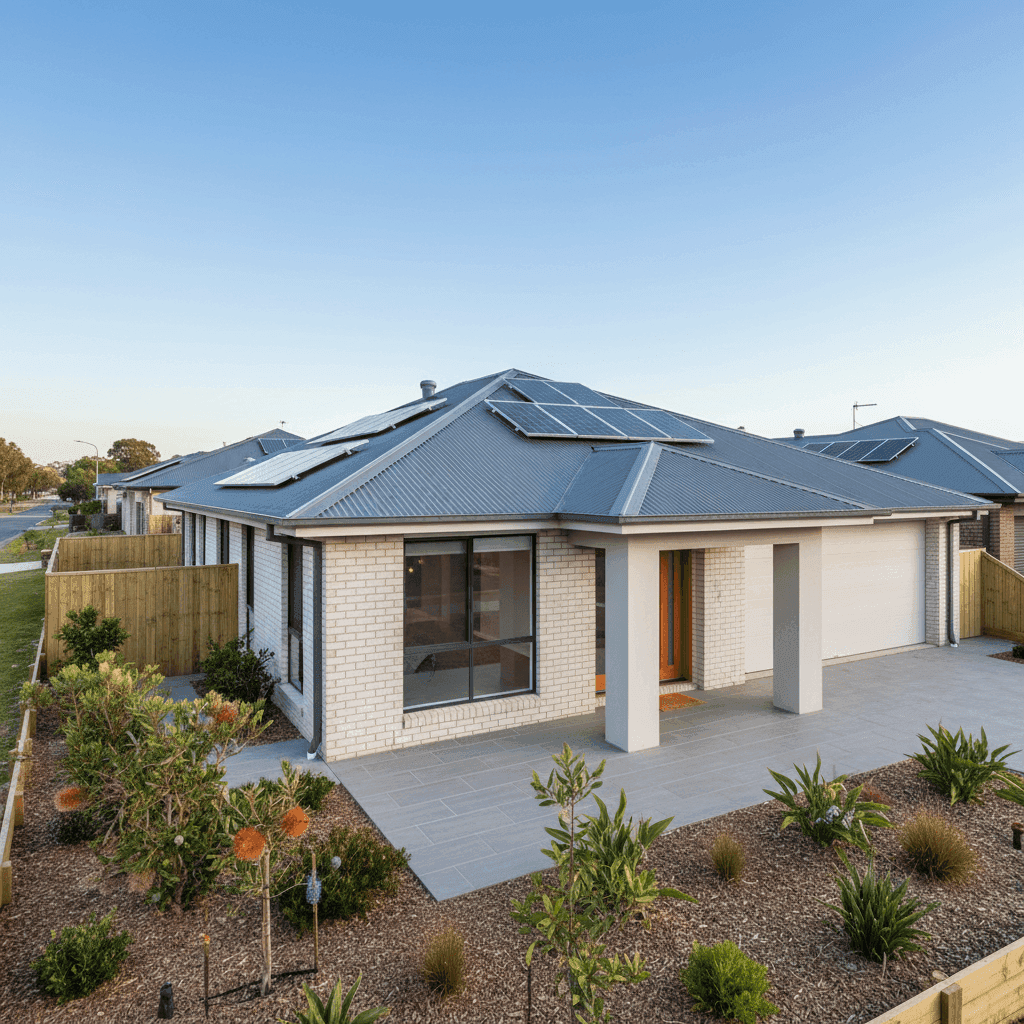
Sussex Inlet is a coastal town on the NSW South Coast, nestled between St Georges Basin and the Tasman Sea — a beautiful place to call home, but one where understanding your insurance costs is just as important as enjoying the waterfront lifestyle. This article breaks down a real home and contents insurance quote for a four-bedroom, two-bathroom free-standing home in Sussex Inlet (postcode 2540), helping you understand whether the premium is competitive and what's driving the cost.
---
Is This Quote Fair?
The quote in question comes in at $2,807 per year (or $272 per month) for combined home and contents cover, with a building sum insured of $691,000 and contents valued at $150,000. The building excess is set at $2,000 and the contents excess at $600.
Our price rating for this quote is FAIR — Around Average, and the data backs that up. Here's how it stacks up:
| Benchmark | Premium |
|---|---|
| This Quote | $2,807/yr |
| Sussex Inlet Suburb Average | $2,434/yr |
| Sussex Inlet Suburb Median | $2,036/yr |
| NSW State Average | $3,801/yr |
| NSW State Median | $3,410/yr |
| National Average | $2,965/yr |
| National Median | $2,716/yr |
The quote sits above the local suburb average and median, which isn't surprising given the property's above-average fittings quality, high building sum insured, and the inclusion of features like solar panels and ducted climate control. However, it lands comfortably below both the NSW state average and the national average, which is a genuinely positive sign for the policyholder.
In context, this is a well-specified, newly built home — and the premium reflects that without being excessive.
---
How Sussex Inlet Compares
Based on 54 quotes collected for Sussex Inlet (NSW 2540), the local pricing landscape is fairly wide:
- 25th percentile: $1,229/yr — likely simpler properties, lower sums insured, or older homes with modest contents
- Median: $2,036/yr
- Average: $2,434/yr
- 75th percentile: $2,881/yr
This quote, at $2,807, falls just inside the 75th percentile range, meaning roughly 75% of quotes in the suburb come in at or below this level. That's not alarming — it's consistent with the property's specifications and rebuild value.
When you zoom out to the NSW state level, the picture improves further. The NSW average of $3,801 is nearly $1,000 more per year than this quote. NSW homeowners, particularly those in flood-prone, bushfire-affected, or high-density urban areas, often face significantly steeper premiums. Sussex Inlet's relatively contained risk profile helps keep costs more manageable than many parts of the state.
Compared to national benchmarks, this quote is also below the $2,965 average, reinforcing the "fair" rating. The LGA average of $2,613 per year is another useful reference point — this quote exceeds it modestly, again in line with the property's premium specifications.
---
Property Features That Affect Your Premium
Several characteristics of this property influence where the premium lands:
Newly Built (2025) A brand-new home is generally viewed favourably by insurers. Modern construction meets current building codes, uses contemporary materials, and is less likely to have ageing infrastructure issues like old wiring or deteriorating plumbing — all of which reduce claim risk.
Brick Veneer Walls & Colorbond Roof Brick veneer is a widely used construction method in Australia and is generally well-regarded by insurers for its durability and fire resistance. A steel/Colorbond roof is similarly resilient — it handles weather events well and is less prone to storm damage than some older roofing materials. Together, these materials contribute to a competitive premium.
Slab Foundation & Tile Flooring Concrete slab foundations are standard in coastal NSW and offer good structural stability. Tiled flooring is durable, easy to repair, and less susceptible to water damage than carpet or timber — a practical choice in a coastal environment.
Above Average Fittings Quality This is one of the more significant premium drivers. Above-average fittings — think stone benchtops, quality appliances, premium fixtures — cost more to replace, which pushes up the building sum insured and, in turn, the premium. The $691,000 building cover reflects a home that would be expensive to rebuild to its current standard.
Solar Panels Solar panels are an increasingly common feature on Australian homes, but they do add to the rebuild cost and require specific cover. Most home insurance policies cover rooftop solar as part of the building, but it's worth confirming this with your insurer.
Ducted Climate Control Ducted air conditioning systems are a significant fixed asset. Like solar panels, they form part of the building sum insured and add to overall replacement costs.
No Pool, No Cyclone Risk The absence of a pool removes a common liability and maintenance-related risk factor. Sussex Inlet is not classified as a cyclone risk area, which is a meaningful cost advantage compared to properties in northern Queensland or WA.
---
Tips for Homeowners in Sussex Inlet
1. Review your building sum insured regularly Construction costs have risen significantly across Australia in recent years. With a newly built home, your $691,000 sum insured may be accurate today — but it's worth revisiting annually to ensure it still reflects full rebuild costs, including labour and materials.
2. Confirm solar panel and ducted system cover Ask your insurer explicitly whether your solar panels and ducted climate control are covered under the building policy, and whether there are any sub-limits that apply. Some policies treat these as inclusions; others may require endorsements.
3. Consider your excess settings strategically The $2,000 building excess on this policy is on the higher side. A higher excess typically lowers your premium, but it means more out-of-pocket costs if you do make a claim. If cash flow allows, maintaining a higher excess is a sound strategy for low-frequency, high-value events — but make sure it's an amount you could comfortably access if needed.
4. Don't overlook flood cover for coastal properties Sussex Inlet's coastal and estuarine geography means flooding can be a real consideration. Check whether your policy includes flood cover as standard or as an optional add-on — and if it's excluded, weigh up the risk carefully given the local landscape.
---
Compare Your Own Quote
Whether you're insuring a new build or reassessing an existing policy, it pays to compare. CoverClub makes it easy to benchmark your premium against real data from your suburb, state, and across Australia. Get a quote today at CoverClub and see how your home insurance stacks up — in minutes, for free.