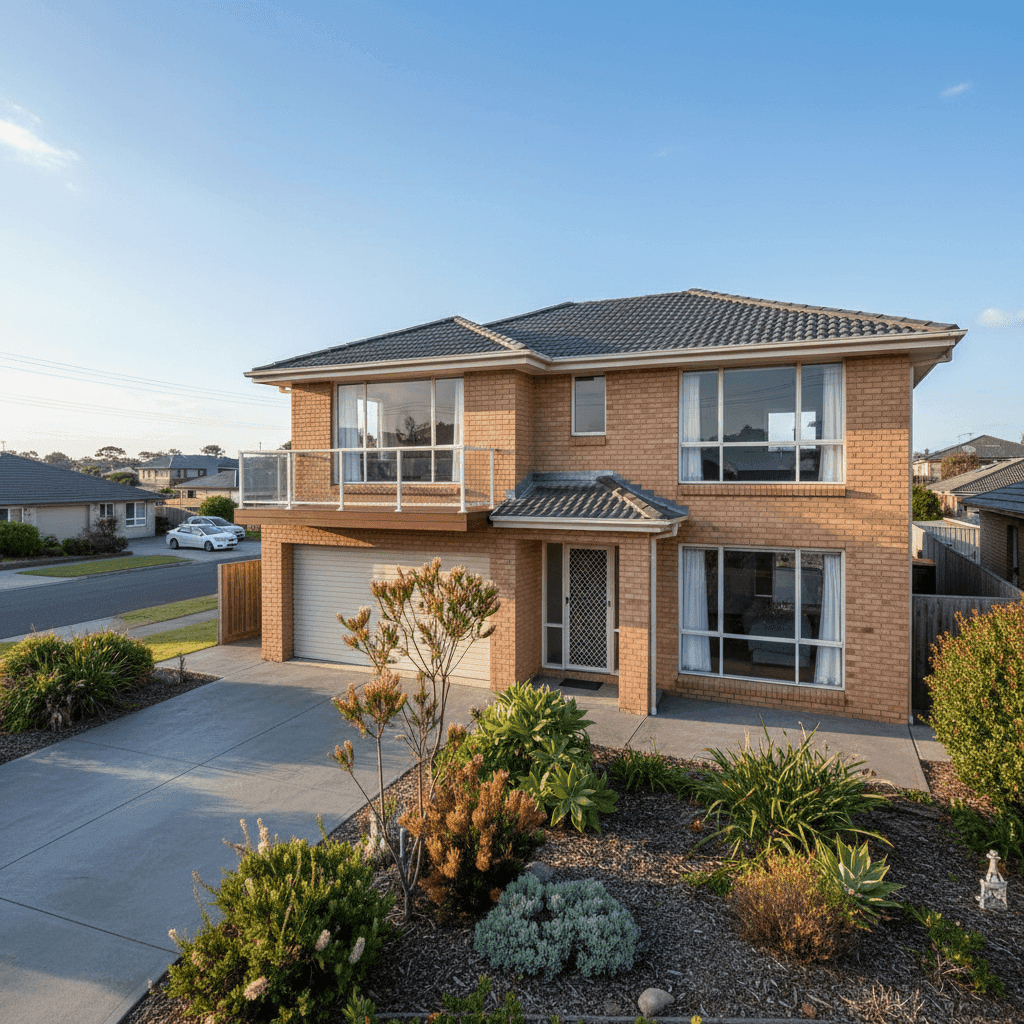
Sussex Inlet is a laid-back coastal town on the NSW South Coast, popular with families, retirees, and holiday homeowners alike. Its proximity to St Georges Basin and the Jervis Bay region makes it a desirable place to live — but like any coastal location, it comes with its own set of insurance considerations. This article breaks down a recent home and contents insurance quote for a five-bedroom free standing home in Sussex Inlet (postcode 2540), rated Fair (Around Average), and puts it into context using suburb, state, and national benchmarks.
---
Is This Quote Fair?
The annual premium for this property came in at $1,694 per year (or $166 per month), covering a building sum insured of $789,000 and $50,000 in contents — with a $3,000 building excess and $1,000 contents excess.
CoverClub's price rating system has flagged this quote as Fair, meaning it sits around the middle of the market for this type of property in this location. That's a reasonable outcome, though it's worth digging into the numbers to understand exactly where it lands.
Looking at Sussex Inlet's local insurance data, the suburb average premium is $2,434/yr and the median is $2,036/yr, based on a sample of 54 quotes. At $1,694, this quote comes in below both the suburb average and median — sitting closer to the 25th percentile ($1,229/yr) than the 75th ($2,881/yr). In other words, roughly three-quarters of comparable properties in the area are being quoted more than this.
That's a positive sign. While "Fair" might sound like damning with faint praise, in this context it means the premium is competitive without being suspiciously cheap. The high excess on the building ($3,000) likely plays a role in keeping the annual cost down — a trade-off worth understanding before committing.
---
How Sussex Inlet Compares
To put this quote in broader perspective, here's how it stacks up across different benchmarks:
| Benchmark | Average Premium | Median Premium |
|---|---|---|
| Sussex Inlet (2540) | $2,434/yr | $2,036/yr |
| LGA Average | $2,613/yr | — |
| NSW State | $3,801/yr | $3,410/yr |
| National | $2,965/yr | $2,716/yr |
This quote of $1,694/yr sits well below every benchmark listed above — roughly 30% under the suburb median, 55% below the NSW state average, and 43% below the national average.
NSW homeowners in general pay significantly more than the national average, largely due to the state's exposure to bushfire, flood, and storm risk across many regions. The fact that this Sussex Inlet quote comes in well under even the national median suggests the insurer has assessed the specific risk profile of this property favourably.
It's worth noting that Sussex Inlet itself isn't a low-risk postcode by default — coastal and estuarine areas can attract higher premiums due to storm surge, flooding, and wind exposure. The relatively competitive quote here may reflect the specific characteristics of this property rather than the suburb as a whole.
---
Property Features That Affect Your Premium
Several characteristics of this property will have influenced how the insurer calculated the premium:
Brick Veneer Walls & Tiled Roof Brick veneer is generally viewed favourably by insurers. It's durable, fire-resistant, and widely used across Australian residential construction. Combined with a tiled roof — another solid, long-lasting material — this property presents a relatively low structural risk profile compared to, say, weatherboard cladding or a corrugated iron roof.
Slab Foundation A concrete slab foundation is standard for homes of this era and is considered low-risk by most insurers. It's less susceptible to subsidence and pest damage than older timber stumped foundations.
Built in 1985 At around 40 years old, the home is mature but not ancient. Properties from this era are generally well-regarded — they predate some of the construction shortcuts of the 1990s and 2000s, yet are modern enough to meet basic building codes. That said, insurers may factor in the age of plumbing, electrical systems, and roofing materials when assessing risk.
358 sqm Building Size At 358 square metres, this is a generously sized home. Larger floor areas typically result in higher rebuilding costs — which is reflected in the $789,000 sum insured. Ensuring this figure is accurate is important; underinsurance is a common and costly mistake.
No Pool, Solar, or Ducted Climate Control The absence of a pool, solar panels, and ducted air conditioning removes several potential risk and cost factors from the equation. Pools add liability exposure, solar systems can complicate roof claims, and ducted systems increase the complexity of building replacements. Not having these features likely contributes to a cleaner, more straightforward risk assessment.
Standard Fittings Quality Standard fittings (as opposed to high-end or luxury finishes) keep the rebuild cost estimate more predictable and typically result in lower premiums than properties with premium joinery, imported tiles, or custom cabinetry.
---
Tips for Homeowners in Sussex Inlet
1. Review Your Sum Insured Regularly Building costs in regional NSW have risen sharply in recent years. A sum insured of $789,000 for a 358 sqm home works out to roughly $2,200 per square metre — which is within a reasonable range, but worth verifying against current local builder rates. Use an independent building cost calculator or speak to a local builder to sense-check the figure annually.
2. Understand Your Excess Before You Claim The $3,000 building excess on this policy is on the higher side. While it helps reduce the annual premium, it means you'll need to cover the first $3,000 of any building claim out of pocket. Make sure you have that buffer available and consider whether a lower excess (at a slightly higher premium) might suit your financial situation better.
3. Check Your Flood and Storm Coverage Sussex Inlet sits adjacent to tidal waterways and is not immune to storm and flood events. Review your policy's Product Disclosure Statement (PDS) carefully to confirm what flood, storm surge, and rainwater damage scenarios are covered — and which are excluded. Not all policies treat these the same way.
4. Compare at Renewal Time Insurance premiums can shift significantly from year to year. Even if your current quote is competitive, it's worth running a fresh comparison at renewal. CoverClub makes it easy to compare quotes across multiple insurers so you're not paying more than you need to.
---
Ready to Compare?
Whether you're a long-term Sussex Inlet local or new to the area, making sure your home and contents insurance is both adequate and competitively priced is one of the smartest financial moves you can make. Head to CoverClub to get a personalised quote for your property and see how your premium stacks up against the market — in seconds, for free.
For more local data, explore Sussex Inlet insurance statistics or browse NSW-wide home insurance benchmarks.