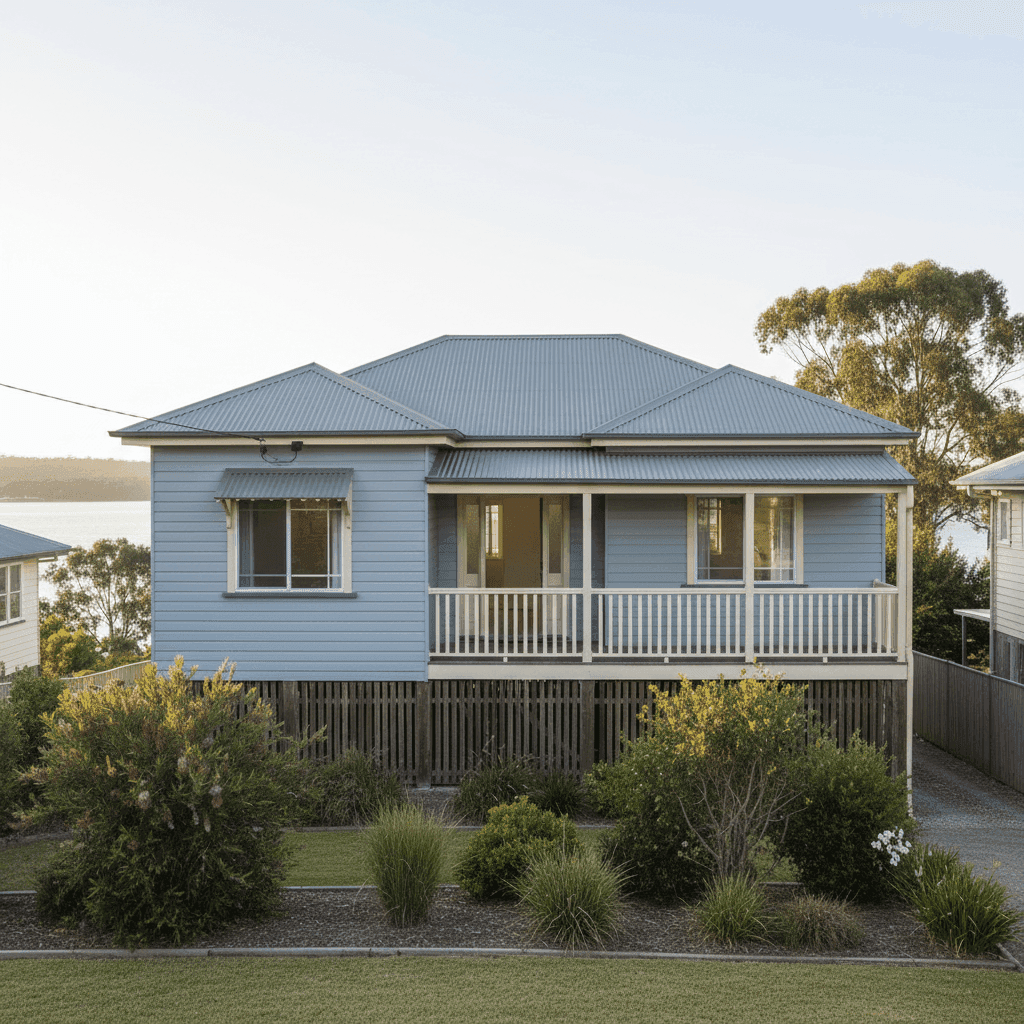
Swansea is a charming lakeside suburb on the Central Coast fringe of the Hunter Region, sitting where Lake Macquarie meets the Tasman Sea. It's a popular spot for families and sea-changers alike — but like many coastal NSW communities, the cost of insuring a home here deserves a close look. This article breaks down a real home and contents insurance quote for a three-bedroom, free-standing weatherboard home in Swansea (postcode 2281), and puts it in context against suburb, state, and national benchmarks.
---
Is This Quote Fair?
The quote in question comes in at $4,870 per year (or around $460 per month), covering a building sum insured of $498,000 and contents valued at $88,000, each with a $1,000 excess.
Our price rating for this quote is FAIR — Around Average, which is genuinely good news for the homeowner. Given the range of factors that can push premiums skyward in coastal and lakeside suburbs, landing near the middle of the market is a reasonable outcome.
To put this in perspective:
- The national average premium for home and contents insurance is $5,347/yr, with a median of $2,764/yr
- The NSW state average sits at $9,528/yr, with a median of $3,770/yr
- The Lake Macquarie LGA average is $11,064/yr
At $4,870/yr, this quote sits below both the NSW state average and the Lake Macquarie LGA average — and is also under the national average. That's a meaningful saving compared to many comparable properties across the region.
Explore more NSW home insurance data on the CoverClub NSW stats page, or check out national benchmarks for a broader picture.
---
How Swansea Compares
The suburb-level data for Swansea (2281) tells an interesting story — and it's one worth understanding before you accept any quote at face value.
| Benchmark | Premium |
|---|---|
| Swansea suburb average | $56,796/yr |
| Swansea suburb median | $7,403/yr |
| Swansea 25th percentile | $3,216/yr |
| Swansea 75th percentile | $12,267/yr |
| NSW state average | $9,528/yr |
| NSW state median | $3,770/yr |
| National average | $5,347/yr |
| National median | $2,764/yr |
The suburb average of $56,796/yr looks alarming at first glance, but it's heavily skewed by outliers — a small sample size of just 20 quotes means a handful of high-risk or high-value properties can dramatically inflate the mean. The median of $7,403/yr is a far more reliable indicator of what most Swansea homeowners are actually paying.
Against that median, the $4,870/yr quote represents a 34% saving — which is well worth noting. It also falls within the interquartile range (between the 25th percentile of $3,216/yr and the 75th percentile of $12,267/yr), confirming the "around average" rating is well-founded.
The takeaway: while Swansea isn't the cheapest place to insure a home in NSW, this particular quote is competitive within the local market.
---
Property Features That Affect Your Premium
Several characteristics of this property have a direct bearing on what insurers charge. Here's how they stack up:
Weatherboard Timber Construction
Weatherboard wood external walls are one of the most significant premium drivers for older Australian homes. Timber is more susceptible to fire, rot, and pest damage than brick veneer or full brick construction, which typically means higher risk in the eyes of underwriters. Homes built in 1955 — like this one — often have weatherboard cladding, and insurers price accordingly.
Steel/Colorbond Roof
On the positive side, a steel Colorbond roof is generally viewed favourably by insurers. It's durable, resistant to fire embers, and performs well in storms. Compared to older terracotta tiles or fibrous cement sheeting, Colorbond can contribute to a more competitive premium.
Stump Foundation
The home sits on stumps, which is common for properties of this era in coastal NSW. Elevated foundations can actually reduce flood and moisture risk at ground level, but they also introduce considerations around subfloor ventilation, pest access, and structural movement over time. The elevation here is less than 1 metre, keeping it in a relatively standard risk category.
Age of Construction (1955)
A home built in 1955 is now over 70 years old. Older homes can carry higher rebuild costs due to non-standard materials, heritage-style joinery, and the need for compliance upgrades during reconstruction. The $498,000 sum insured reflects a considered estimate of what it would cost to rebuild this 130 sqm home to today's standards — a figure that should be reviewed regularly.
Ducted Climate Control
The presence of ducted climate control adds to the contents and building value, and is a factor in the overall sum insured. It's a relatively minor premium influence on its own, but it contributes to the overall replacement cost calculation.
No Pool, No Solar
The absence of a pool and solar panels simplifies the risk profile slightly — both can add liability and replacement cost considerations to a policy.
---
Tips for Homeowners in Swansea
Whether you're reviewing an existing policy or shopping for a new one, here are four practical steps to make sure you're getting the best deal on home insurance in Swansea.
- Don't rely on the suburb average — use the median. As shown above, the Swansea average premium is distorted by outliers. Always compare your quote against the median ($7,403/yr) for a realistic sense of where you stand. The Swansea suburb stats page is a handy reference.
- Review your sum insured annually. Building costs in NSW have risen sharply in recent years. A sum insured set several years ago may no longer reflect the true cost to rebuild your home. Underinsurance is one of the most common — and costly — mistakes homeowners make. Use a building cost calculator or speak to a local builder to sanity-check your figure.
- Consider your excess strategically. Both the building and contents excess on this policy sit at $1,000. Opting for a higher excess (say, $2,500) can meaningfully reduce your annual premium. If you have sufficient savings to cover a larger out-of-pocket cost in a claim, this trade-off is often worth it.
- Shop around — every year. Insurers regularly reprice their books, and loyalty doesn't always pay. Comparing quotes annually through a platform like CoverClub takes minutes and can save hundreds of dollars. The market for weatherboard homes in coastal NSW is competitive, and the right insurer for your property may change from year to year.
---
Ready to Compare?
If you own a home in Swansea or anywhere in NSW, it pays to know where your premium sits relative to the market. CoverClub makes it easy to compare home and contents insurance quotes in minutes — no jargon, no pressure, just clear data to help you make a confident decision. Get a quote today at CoverClub and see how your current policy stacks up.