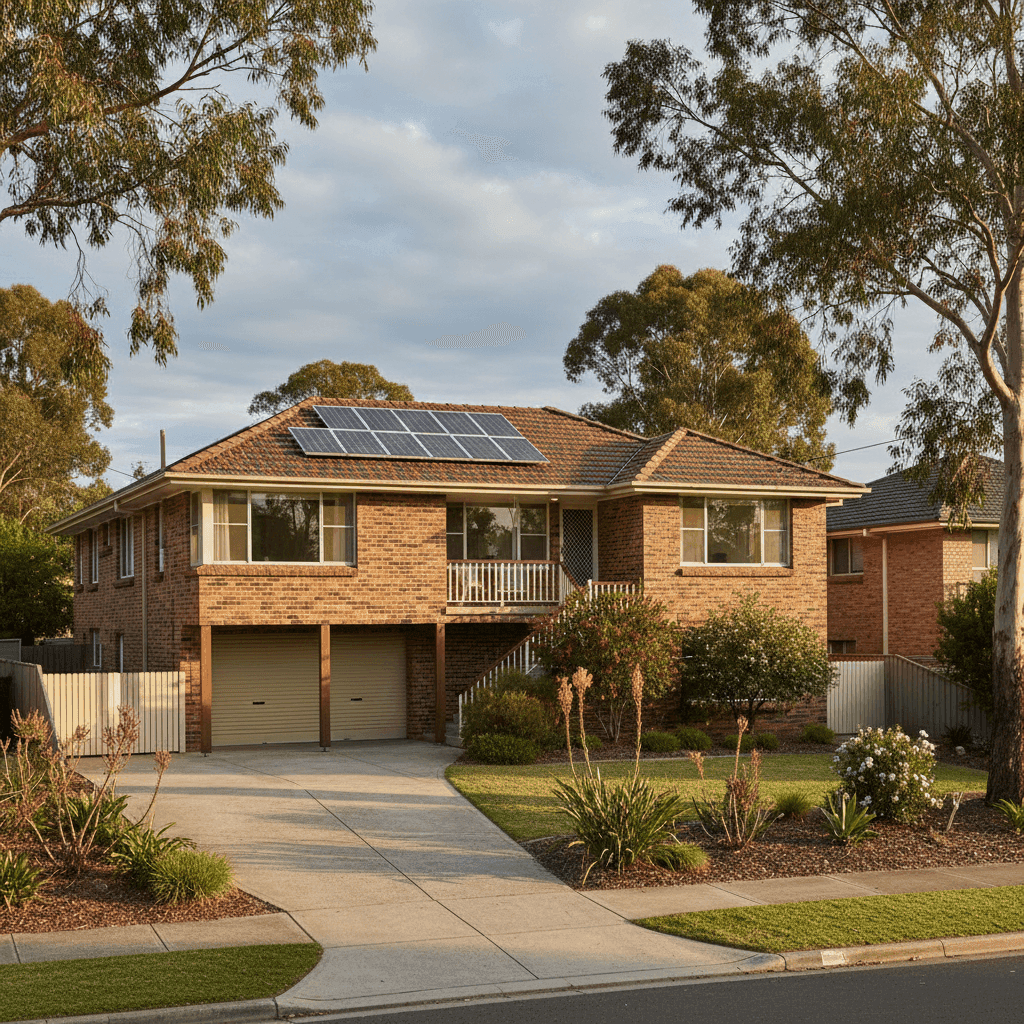
Swansea is a relaxed lakeside suburb sitting on the narrow isthmus between Lake Macquarie and the Tasman Sea — a beautiful place to live, but one that comes with its own set of insurance considerations. This article breaks down a real home and contents insurance quote for a four-bedroom, brick veneer free standing home in Swansea (NSW 2281), built in 2008, and explores how the annual premium of $8,336 stacks up against local, state, and national benchmarks.
---
Is This Quote Fair?
The short answer: yes, broadly speaking. This quote has been rated Fair (Around Average), which means it sits in a reasonable range relative to what other homeowners in the area are paying — but there's still meaningful context worth unpacking.
At $8,336 per year (or $792/month), the premium falls above the suburb median of $7,403 but comfortably within the interquartile range of $3,216 to $12,267. That middle 50% band is a useful sanity check — if your quote lands within it, you're not being wildly overcharged, though you may still have room to negotiate or shop around.
It's also worth noting the sum insured here is substantial: $980,000 for the building and $160,000 for contents, with a $1,000 excess on each. Higher coverage naturally pushes premiums up, so a "fair" rating at this coverage level is actually a reasonable outcome. Homeowners with lower rebuild costs or fewer contents to insure may find cheaper options, but for a well-appointed four-bedroom home, these figures are realistic.
---
How Swansea Compares
Understanding where your premium sits relative to different benchmarks helps you make a more informed decision. Here's how this quote measures up:
| Benchmark | Premium |
|---|---|
| This Quote | $8,336/yr |
| Swansea Suburb Median | $7,403/yr |
| Swansea Suburb Average | $56,796/yr |
| Lake Macquarie LGA Average | $11,064/yr |
| NSW State Average | $9,528/yr |
| NSW State Median | $3,770/yr |
| National Average | $5,347/yr |
| National Median | $2,764/yr |
A few things stand out here. First, the suburb average of $56,796 is dramatically higher than the median of $7,403 — a classic sign that a small number of very high-value properties or high-risk quotes are skewing the mean. With only 20 quotes in the sample, one or two outliers can have an outsized effect. The median is the more reliable reference point for typical Swansea homeowners.
Second, this quote sits below the NSW state average of $9,528 and the Lake Macquarie LGA average of $11,064, both of which suggest the quote is competitive for the region. It does come in above the national average and both the state and national medians, but that's partly a reflection of the higher coverage amounts and the coastal location.
You can explore more local pricing data on the Swansea suburb stats page, compare it against NSW state-wide figures, or see how it tracks against national home insurance averages.
---
Property Features That Affect Your Premium
Several characteristics of this property directly influence the premium calculation. Understanding them can help you anticipate costs — and potentially address factors within your control.
Brick Veneer Walls & Concrete Roof
Brick veneer is one of the most common wall materials in Australian suburban homes and is generally viewed favourably by insurers. It offers solid fire resistance and structural durability. Similarly, a concrete tile roof is considered low-risk — it's durable, fire-resistant, and less prone to storm damage than some alternatives. Together, these construction materials likely contribute to a more competitive premium than, say, a timber-framed home with a corrugated iron roof.
Stump Foundation & Elevation
The home is built on stumps and is elevated by less than one metre. This style of construction is common in coastal and low-lying areas of NSW and can offer some protection against minor flooding by lifting the floor level above ground. However, insurers do factor in the elevated foundation type, particularly in areas near water. The Lake Macquarie region has experienced flooding events in the past, so even a modest elevation can be a meaningful risk mitigant.
Solar Panels
This property has solar panels installed, which adds a modest layer of complexity to the insurance picture. Solar systems need to be included in the building sum insured, as they're typically considered a fixed part of the structure. If your panels are damaged by a storm or hail, building insurance should cover the repair or replacement — but it's worth confirming this with your insurer and ensuring your sum insured accounts for the system's replacement value.
Tiled Flooring & Standard Fittings
Tile flooring is relatively low-maintenance and easy to replace, which can work in your favour when it comes to contents and building claims. Standard fittings (as opposed to premium or luxury finishes) also keep the rebuild cost estimate more predictable, which supports a more straightforward building sum insured calculation.
No Pool, No Cyclone Risk Zone
The absence of a swimming pool removes a common liability risk that can inflate premiums. And while Swansea is a coastal suburb, it falls outside designated cyclone risk zones — a meaningful factor, particularly for homeowners in northern NSW or Queensland who face significantly higher premiums due to cyclone exposure.
---
Tips for Homeowners in Swansea
1. Review your building sum insured regularly Construction costs have risen sharply in recent years across NSW. If your home was insured based on figures from a few years ago, you may be underinsured — meaning a total loss payout might not cover a full rebuild. Use a building cost calculator or ask your insurer to reassess, and factor in your solar panel system's replacement value.
2. Check your flood and storm cover Swansea's proximity to Lake Macquarie and the coast means storm surge, heavy rainfall, and localised flooding are genuine risks. Make sure your policy explicitly covers flood (not just storm), as these are often treated as separate events by insurers. Read the Product Disclosure Statement (PDS) carefully.
3. Consider your excess strategically Both the building and contents excesses on this quote are set at $1,000. Opting for a higher excess — say, $2,000 — can meaningfully reduce your annual premium. If you have a solid emergency fund and are unlikely to make small claims, this trade-off can save money over time.
4. Shop around at renewal time Insurers often reward new customers more generously than loyal ones. Even if your current quote is rated "fair," comparing it against other providers at renewal can surface better deals. The market shifts regularly, and a quote that was competitive last year may not be the best available today.
---
Compare Your Options with CoverClub
Whether you're a first-time buyer in Swansea or reassessing your existing cover, it pays to see what the broader market looks like before committing. CoverClub makes it easy to compare home and contents insurance quotes tailored to your property and location. Get a quote today and find out if you're getting the best deal available to you.