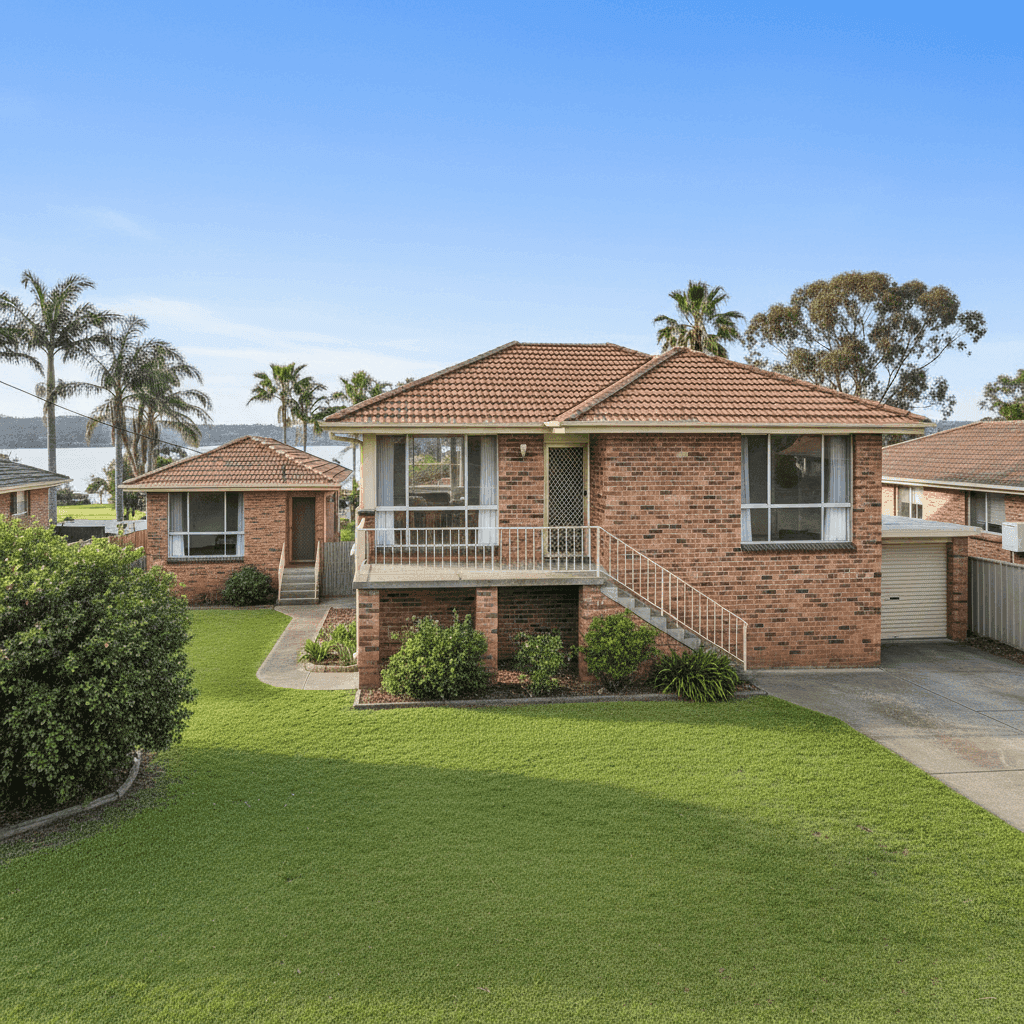
Swansea is a lakeside suburb on the Central Coast fringe of the Hunter region, sitting at the narrow entrance between Lake Macquarie and the Pacific Ocean. It's a popular spot for families and sea-changers alike — but as this analysis of a recent home and contents insurance quote shows, living near the water can come with a significant premium price tag. This article breaks down a quote for a three-bedroom, free-standing home in Swansea (NSW 2281) and puts the numbers in context so you can make a more informed decision about your cover.
---
Is This Quote Fair?
The short answer: this quote is expensive — well above average by most measures.
The quoted annual premium of $16,399 (or $1,608/month) covers a building sum insured of $661,000 and contents valued at $149,000, with a $3,000 building excess and $1,000 contents excess. While the sum insured is on the higher end, which naturally lifts the premium, the price rating for this quote is firmly in "Expensive (Above Average)" territory when benchmarked against comparable properties in the area.
To put it plainly: at more than three times the suburb average and over four times the national average, this is a quote worth scrutinising carefully before accepting.
---
How Swansea Compares
Looking at home insurance data for Swansea (NSW 2281), the pricing landscape tells an interesting story:
| Benchmark | Annual Premium |
|---|---|
| This Quote | $16,399 |
| Swansea Suburb Average | $4,986 |
| Swansea Suburb Median | $2,863 |
| Swansea 25th Percentile | $2,071 |
| Swansea 75th Percentile | $6,249 |
| Lake Macquarie LGA Average | $3,593 |
| NSW State Average | $3,801 |
| NSW State Median | $3,410 |
| National Average | $2,965 |
| National Median | $2,716 |
(Based on 51 quotes sampled in the Swansea area.)
This quote sits well above the 75th percentile for the suburb ($6,249), meaning it's more expensive than at least 75% of comparable quotes collected in the area. It also dwarfs the NSW state average of $3,801 and the national average of $2,965.
It's worth noting that suburb averages can be skewed by high-value properties, which is why the median ($2,863) is often a more reliable benchmark. Even accounting for the higher sum insured on this property, the gap between this quote and the suburb median is substantial.
---
Property Features That Affect Your Premium
Several characteristics of this property are likely pushing the premium higher than typical. Here's what insurers pay close attention to:
Elevated Foundation on Stumps
This home sits on stump foundations and is elevated by less than one metre. While elevation can sometimes help with flood risk, homes on stumps are generally considered higher risk by insurers due to the potential for subfloor damage, moisture ingress, and structural vulnerability. This construction style is common in older NSW coastal homes and tends to attract a loading on premiums.
Construction Era (1985)
Built in 1985, this property is now over 40 years old. Older homes often carry higher premiums because ageing electrical wiring, plumbing, and roofing materials are statistically more likely to result in claims. Insurers factor in the cost of bringing older homes up to current building codes in the event of a rebuild.
Brick Veneer Walls and Tiled Roof
Brick veneer is generally viewed favourably by insurers — it's durable and fire-resistant. A tiled roof is similarly well-regarded for longevity. These features likely provide some premium offset, but they don't eliminate the loadings from other risk factors.
Proximity to Water (Swansea Location)
Swansea's geography — wedged between Lake Macquarie and the ocean — means properties in this postcode can be exposed to storm surge, coastal flooding, and high wind events. Insurers assess flood and storm risk at a granular level, and waterfront or near-water properties in this area often attract significant loadings regardless of individual property elevation.
Granny Flat
The presence of a granny flat on the property adds to the total insurable value and increases the complexity of the risk profile. Whether it's tenanted or used by family, it represents additional structures and contents exposure that insurers price accordingly.
Higher Sum Insured
At $661,000 for building cover, this is a substantial sum insured. The cost to rebuild a 139 sqm home with a granny flat, especially one built to older specifications that may require code upgrades, can be significant. It's worth confirming this figure with a quantity surveyor to ensure it's accurate — over-insurance is costly, but under-insurance can be devastating at claim time.
---
Tips for Homeowners in Swansea
If you're a homeowner in Swansea or the broader Lake Macquarie area, here are some practical steps to manage your insurance costs without sacrificing adequate cover:
- Compare multiple quotes, not just one. The spread of premiums in Swansea is wide — from $2,071 at the 25th percentile to over $16,000 for this quote. Different insurers assess risk very differently, so shopping around can yield dramatically different results. Get a comparison quote at CoverClub to see what else is available for your property.
- Review your sum insured carefully. Ensure your building sum insured reflects the actual cost to rebuild — not the market value of your home. An independent building replacement cost assessment can help you avoid both over- and under-insurance. For a 139 sqm home with a granny flat, the rebuild cost may differ significantly from what automated calculators suggest.
- Ask about excess options. This quote carries a $3,000 building excess and $1,000 contents excess. Opting for a higher voluntary excess can reduce your annual premium meaningfully. If you have savings to cover a larger out-of-pocket amount in the event of a claim, this is often a smart trade-off.
- Maintain your property proactively. Insurers reward lower-risk properties. Keeping your roof tiles in good condition, ensuring subfloor ventilation is adequate on your stump foundation, and maintaining gutters and drainage can reduce the likelihood of claims — and may help you negotiate better renewal terms over time.
---
Ready to Find a Better Rate?
Whether this is your current insurer's renewal quote or a new policy you're considering, it's always worth comparing your options. CoverClub makes it easy to benchmark your home insurance against real quotes from across Australia. Enter your address and get started today — it only takes a few minutes and could save you thousands.
For more data on home insurance pricing in your area, explore the Swansea suburb stats, the NSW state overview, or the national home insurance benchmarks.