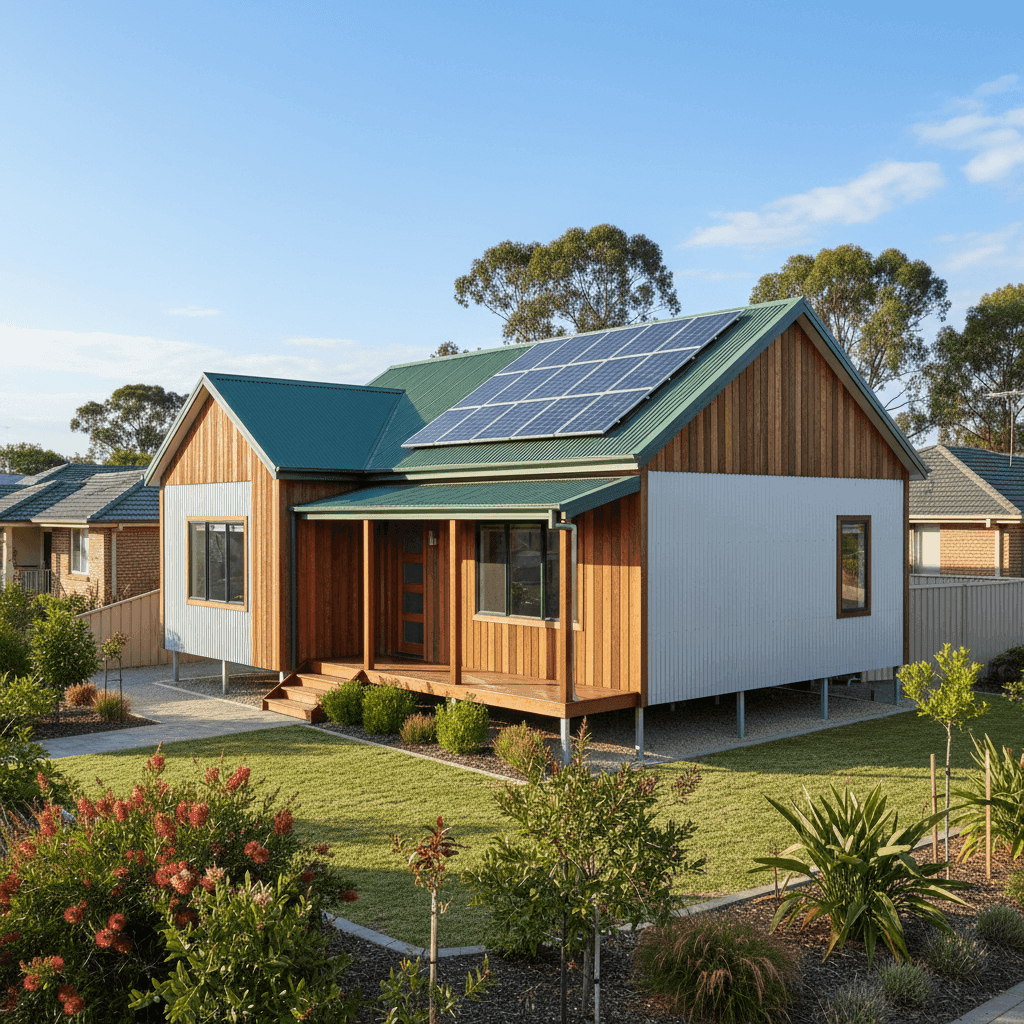
If you own a free standing home in Tacoma, NSW 2259, you're probably curious about what a fair home insurance premium looks like — and whether the quote sitting in your inbox is worth accepting. This article breaks down a real home and contents insurance quote for a four-bedroom property in Tacoma, compares it against local, state, and national benchmarks, and offers practical tips to help you make the most of your cover.
---
Is This Quote Fair?
The quote in question comes in at $4,508 per year (or $432 per month) for a combined home and contents policy. It covers a building sum insured of $829,000 and contents valued at $56,000, with a $1,000 excess on both building and contents claims.
Our price rating for this quote? Cheap — below average. That's genuinely good news for the homeowner.
To put it in perspective: the NSW state average premium sits at a substantial $9,528 per year, meaning this quote is less than half the average paid by NSW homeowners. Even against the NSW median of $3,770, this quote is only modestly above the midpoint — and given the $829,000 building sum insured, that's a strong result.
Against national benchmarks, the picture is equally favourable. The national average premium is $5,347 per year, and this quote comes in well below that mark. The national median sits at $2,764, which reflects a large number of lower-value properties across the country, so a four-bedroom home with a high sum insured performing close to that figure is a solid outcome.
In short: if you're a Tacoma homeowner who received this quote, it represents genuine value.
---
How Tacoma Compares
Suburb-level premium data for Tacoma (postcode 2259) isn't yet available in our dataset, but we can draw meaningful comparisons using the broader local government area and state figures. You can check the latest figures as they become available on the Tacoma suburb stats page.
What we do know is that the Cessnock LGA average premium is $2,462 per year — notably lower than both the state and national averages. This suggests that properties in this part of the Central Coast and Hunter region generally attract more competitive premiums, likely reflecting lower catastrophe risk profiles compared to coastal flood zones or cyclone-prone northern Queensland.
| Benchmark | Annual Premium |
|---|---|
| This Quote | $4,508 |
| Cessnock LGA Average | $2,462 |
| NSW State Average | $9,528 |
| NSW State Median | $3,770 |
| National Average | $5,347 |
| National Median | $2,764 |
The quote sits above the Cessnock LGA average, which is expected given the higher-than-average building sum insured of $829,000. A larger insured value means greater potential liability for the insurer, which naturally flows through to the premium. When you adjust for the level of cover being provided, this quote is well-positioned.
---
Property Features That Affect Your Premium
Several characteristics of this property influence what insurers charge. Here's how each one plays a role:
Age and Construction (Built 1981)
A home built in 1981 sits in a middle ground for insurers. It's old enough to have aging infrastructure — wiring, plumbing, and structural elements that may need attention — but not so old as to be considered heritage or extremely high-risk. Insurers may factor in the likelihood of wear-related claims.
Steel / Colorbond Roof
This is a genuine premium advantage. Colorbond steel roofing is highly regarded by insurers for its durability, fire resistance, and low maintenance profile. It's far less susceptible to storm damage than older tile or fibrous cement roofing, and many insurers price this favourably.
Stump Foundation
A home on stumps (timber or concrete piers) can be a mixed signal for insurers. On the positive side, stumped homes allow for inspection and maintenance of underfloor areas. However, they can be more vulnerable to movement, and the timber stumps themselves may be subject to rot or pest damage over time. It's worth ensuring your policy covers structural components including the subfloor.
Timber / Laminate Flooring
Timber and laminate floors are generally considered standard risk. They can be susceptible to water damage — particularly from burst pipes or flooding — so it's worth confirming your policy covers water ingress events relevant to your area.
Solar Panels
This property has solar panels installed, which is increasingly common across NSW. Most standard home insurance policies cover solar panels as a fixed fixture of the building, but it's worth confirming with your insurer that the panels and inverter are included under the building sum insured of $829,000.
Ducted Climate Control
Ducted air conditioning systems are a significant fixture and can be costly to repair or replace. Ensure your building sum insured adequately accounts for this system, as it's typically covered under building rather than contents.
No Pool, No Cyclone Risk
The absence of a swimming pool removes a common liability and maintenance cost factor from your premium. And being outside a designated cyclone risk zone means you won't face the loading that homeowners in northern Australia routinely deal with.
---
Tips for Homeowners in Tacoma
1. Review your building sum insured regularly At $829,000, the building sum insured on this quote is substantial. Construction costs have risen significantly in recent years, so it's worth reassessing this figure annually to ensure it reflects current rebuild costs — not just the market value of the land and home. Underinsurance is one of the most common and costly mistakes Australian homeowners make.
2. Check your stump and subfloor condition Homes on stumps benefit from regular inspections of the subfloor area. Termite damage or rotting stumps can lead to major structural claims — and some insurers may not cover damage that results from gradual deterioration rather than a sudden event. Stay on top of pest inspections and maintenance.
3. Confirm solar panel coverage with your insurer Ask your insurer directly: are the solar panels and inverter covered under the building sum insured? What events are covered — storm, hail, fire? Some policies have specific exclusions or sub-limits for solar systems, and it's better to know now than at claim time.
4. Compare quotes before renewing Even if this quote is rated cheap, insurance markets shift every year. Premiums can increase at renewal even without any changes to your property or claims history. Use a comparison service like CoverClub to benchmark your renewal quote against the market before you commit.
---
Find a Better Deal with CoverClub
Whether you're reviewing your current policy or shopping for cover on a new property, CoverClub makes it easy to compare home and contents insurance quotes across Australia. With suburb-level insights, transparent pricing data, and a straightforward quote tool, you can see exactly how your premium stacks up — and find a better deal if one exists. Get a quote today and take the guesswork out of home insurance.