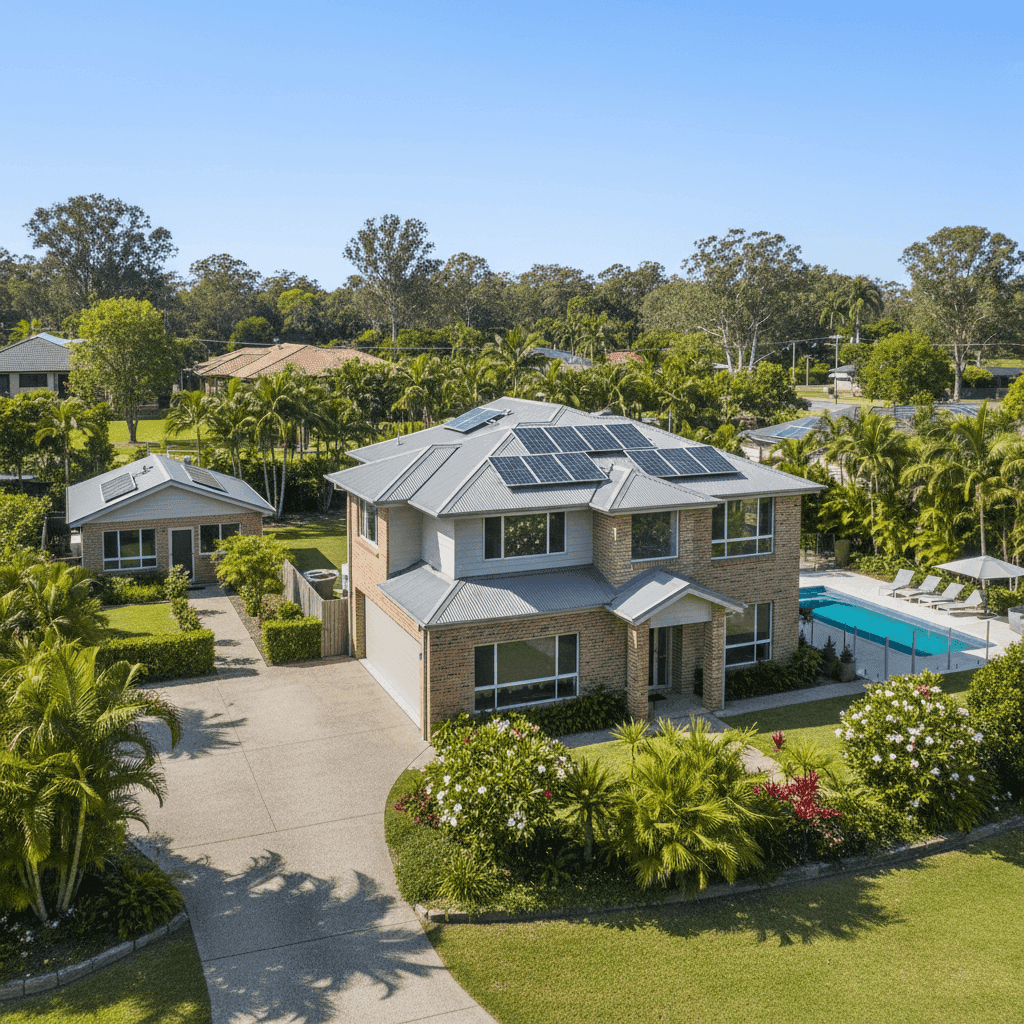
Nestled in the hinterland fringe of the Gold Coast, Tallebudgera is one of South-East Queensland's most sought-after lifestyle suburbs — offering a blend of semi-rural tranquillity and easy access to coastal amenities. For owners of a free standing home here, understanding what drives your insurance premium is just as important as finding the right policy. In this article, we break down a real home and contents quote for a four-bedroom property in Tallebudgera and put the numbers in context so you can make a confident, informed decision.
---
Is This Quote Fair?
The annual premium for this property comes in at $5,149 per year (or $503/month), covering a building sum insured of $1,337,000 and contents valued at $111,000, each with a $2,000 excess.
CoverClub's pricing analysis rates this quote as CHEAP — Below Average, which is a strong result for a property of this size and specification. At over $1.3 million in building cover, the sum insured is substantial, yet the premium still undercuts the Queensland state average by a significant margin. For homeowners comparing options, this is the kind of benchmark worth knowing before you sign anything.
A below-average rating doesn't mean the cover is inferior — it simply means the premium is competitive relative to comparable properties across the state and the country. It's a green flag that this quote represents genuine value.
---
How Tallebudgera Compares
To put the $5,149 annual figure in perspective, here's how it sits against broader market data:
| Benchmark | Premium |
|---|---|
| This Quote | $5,149 / yr |
| QLD State Average | $9,129 / yr |
| QLD State Median | $3,903 / yr |
| National Average | $5,347 / yr |
| National Median | $2,764 / yr |
A few things stand out here. This quote is 44% below the Queensland state average of $9,129 — a substantial saving that reflects both the property's risk profile and the insurer's pricing for this area. It also sits just $198 below the national average, confirming it's competitive at a country-wide level too.
It's worth noting that QLD premiums are generally elevated compared to other states, largely due to the prevalence of cyclone, flood, and storm risk across much of the state. Tallebudgera, situated in the Gold Coast hinterland, is not classified as a cyclone risk area, which goes a long way toward keeping premiums more manageable than many other Queensland postcodes.
For suburb-specific data as it becomes available, visit the Tallebudgera insurance stats page. You can also explore QLD state-wide insurance statistics or review national home insurance benchmarks for a broader picture.
---
Property Features That Affect Your Premium
Every home tells its own story when it comes to insurance pricing. Here's how the specific features of this Tallebudgera property influence the premium:
Construction & Build Quality
Built in 2004, this home sits in a sweet spot for insurers — modern enough to meet contemporary building codes, yet well past any teething issues associated with brand-new construction. The brick veneer external walls are a positive risk indicator; they offer solid fire resistance and structural durability compared to weatherboard or lightweight cladding. The Colorbond steel roof is another asset — it's lightweight, corrosion-resistant, and performs well in Queensland's harsh UV and storm conditions. A concrete slab foundation further reduces risk by eliminating the underfloor moisture and pest vulnerabilities associated with raised timber floors.
Flooring & Fittings
Tile flooring throughout is practical for Queensland's climate and is generally viewed favourably by insurers — it's durable, water-resistant, and less susceptible to damage from humidity or minor flooding events. Standard fittings keep the contents and building replacement costs predictable, avoiding the premium uplift that can come with high-end or bespoke fixtures.
Additional Features
Several features on this property add complexity — and cost — to the risk assessment:
- Swimming pool: Pools increase both liability exposure and the potential cost of a claim (e.g., damage to pool equipment or surrounds). They're a common feature on the Gold Coast and insurers price them accordingly.
- Solar panels: Rooftop solar adds replacement value to the building and can complicate roof-related claims. It's important to confirm your policy explicitly covers solar panels as part of the building sum insured.
- Ducted climate control: A whole-home ducted system is a significant asset — and a costly one to repair or replace. Ensuring it's captured in your building sum insured is essential.
- Granny flat: The presence of a secondary dwelling adds structural value and, potentially, liability considerations. Verify with your insurer whether the granny flat is included under the main policy or requires a separate endorsement.
---
Tips for Homeowners in Tallebudgera
Whether you're reviewing an existing policy or shopping for a new one, these practical steps can help you get the best outcome:
- Review your sum insured annually. With building costs rising across South-East Queensland, the cost to rebuild a four-bedroom brick veneer home has increased considerably in recent years. Make sure your $1,337,000 building sum insured reflects current construction rates — underinsurance is one of the most common and costly mistakes homeowners make.
- Confirm coverage for your solar panels and granny flat. Not all standard home insurance policies automatically cover rooftop solar systems or secondary dwellings. Read the Product Disclosure Statement carefully and ask your insurer directly. A gap in cover here could mean a significant out-of-pocket expense at claim time.
- Consider your excess strategically. Both the building and contents excess on this policy are set at $2,000. While a higher excess typically reduces your annual premium, make sure it's an amount you could genuinely afford at short notice. For a property of this value, $2,000 is reasonable — but it's worth modelling the premium difference if you were to adjust it.
- Don't overlook storm and water damage preparedness. Even outside cyclone zones, Tallebudgera sits in a region that receives intense summer storms. Keeping gutters clear, maintaining roof flashings, and ensuring stormwater drainage around the pool and slab perimeter is functioning well can reduce the likelihood of a claim — and support your case if you ever need to make one.
---
Ready to Compare?
A competitive quote is a great starting point, but the only way to know you're getting the best value is to compare. At CoverClub, we make it easy to benchmark your home insurance against the market in minutes. Get a home insurance quote today and see how your premium stacks up — you might be surprised by what's available.