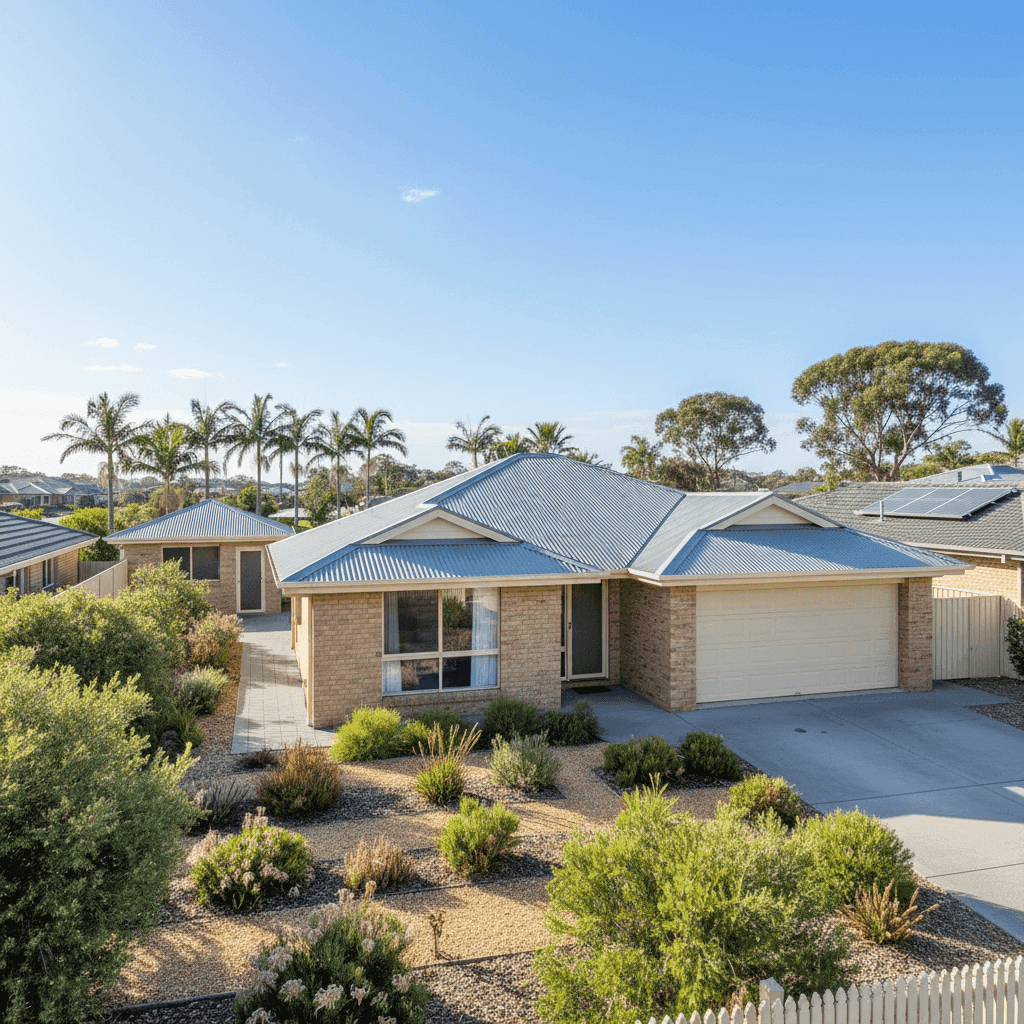
Tanilba Bay is a quiet, leafy suburb nestled on the shores of Port Stephens in New South Wales — a popular spot for families, retirees, and those seeking a relaxed coastal lifestyle. But like any homeowner, residents here face the very real task of making sure their property is properly protected. This article breaks down a recent home and contents insurance quote for a three-bedroom, free-standing brick veneer home in Tanilba Bay (postcode 2319), helping you understand whether the price stacks up — and what you can do to get better value.
---
Is This Quote Fair?
The quote in question comes in at $1,920 per year (or $188/month) for combined home and contents cover, with a building sum insured of $581,000 and contents valued at $70,000. The building excess is set at $3,000, with a separate $1,000 excess on contents.
Our price rating for this quote is FAIR — around average. That might sound underwhelming, but in the context of the broader market, it's actually a reasonably solid outcome. Here's why:
- The quote sits below both the suburb average ($2,539/yr) and the suburb median ($2,039/yr) for Tanilba Bay.
- It also comes in well under the NSW state average of $3,801/yr and the national average of $2,965/yr.
- Compared to the Port Stephens LGA average of $3,116/yr, this quote represents a meaningful saving of nearly $1,200 annually.
The "fair" rating reflects the fact that, while this premium is competitive, there are policies in the suburb that come in cheaper — the 25th percentile for Tanilba Bay sits at $1,321/yr. So there is room to potentially do better, but this quote is by no means overpriced.
---
How Tanilba Bay Compares
To put this quote in proper perspective, it helps to look at the broader pricing landscape. According to data on CoverClub's Tanilba Bay insurance stats page, premiums in the 2319 postcode vary quite widely — from around $1,321/yr at the lower end to over $3,308/yr at the 75th percentile. That's a spread of roughly $2,000, which underscores just how much insurers can differ in their pricing for the same suburb.
Zooming out to the state level, NSW home insurance premiums average $3,801/yr — significantly higher than what this homeowner is paying. NSW tends to attract higher premiums due to a mix of weather risk, bushfire exposure in regional areas, and the high cost of rebuilding in many parts of the state.
At the national level, the average sits at $2,965/yr with a median of $2,716/yr. Again, this quote beats both benchmarks comfortably.
| Benchmark | Premium |
|---|---|
| This Quote | $1,920/yr |
| Tanilba Bay Suburb Average | $2,539/yr |
| Tanilba Bay Suburb Median | $2,039/yr |
| Port Stephens LGA Average | $3,116/yr |
| NSW State Average | $3,801/yr |
| National Average | $2,965/yr |
It's worth noting that the suburb sample size here is 16 quotes, which is a reasonable dataset for a smaller coastal suburb but not enormous. Pricing trends can shift as more data comes in, so it's always worth checking for updated comparisons.
---
Property Features That Affect Your Premium
Insurance premiums aren't plucked from thin air — they're calculated based on a detailed profile of the property. Here's how the features of this particular home likely influence its pricing:
Brick Veneer Walls Brick veneer is one of the most common external wall types in Australian homes, and insurers generally view it favourably. It offers solid fire resistance and structural durability compared to timber weatherboard, which can help keep premiums down.
Steel/Colorbond Roof Colorbond roofing is highly regarded by insurers. It's durable, resistant to fire and corrosion, and performs well in storms. This is a clear positive for the premium calculation.
Slab Foundation A concrete slab is a stable, low-maintenance foundation type. It's less susceptible to subsidence or pest damage than older pier-and-beam foundations, which insurers tend to view as lower risk.
1989 Construction Homes built in the late 1980s occupy a middle ground — old enough that some systems (plumbing, electrical) may be approaching the end of their service life, but modern enough to meet most post-1970s building standards. Insurers may factor in some age-related risk, though it's generally modest for a well-maintained property.
Ducted Climate Control Ducted air conditioning systems are a notable inclusion. These systems can be expensive to repair or replace, and their presence increases the overall replacement value of the home — which is reflected in the building sum insured.
Granny Flat The presence of a granny flat is a significant factor. It adds to the total insurable value of the property and increases the complexity of the risk from an insurer's perspective. It's important to ensure the granny flat is explicitly covered under the policy, as some insurers have specific conditions or exclusions around secondary dwellings.
Vinyl Flooring & Standard Fittings Vinyl flooring and standard-quality fittings help keep the rebuild cost estimate — and therefore the sum insured — at a reasonable level. Premium fittings like stone benchtops or hardwood flooring would push the building sum insured higher.
---
Tips for Homeowners in Tanilba Bay
1. Review your sum insured regularly Building costs have risen sharply across Australia in recent years. Make sure your $581,000 building sum insured still reflects the true cost of rebuilding your home — including the granny flat. Underinsurance is one of the most common and costly mistakes homeowners make.
2. Confirm your granny flat is covered Not all policies automatically extend cover to secondary dwellings. Read your Product Disclosure Statement (PDS) carefully, or call your insurer directly, to confirm the granny flat is included. If it's rented out, you may need a separate landlord policy for that structure.
3. Shop around at renewal time The 25th percentile for Tanilba Bay sits at $1,321/yr — roughly $600 less than this quote. That gap suggests there are cheaper options available for comparable cover. Use a comparison tool like CoverClub to benchmark your renewal quote before accepting it.
4. Consider your excess settings This policy carries a $3,000 building excess, which is on the higher side. While a higher excess generally reduces your premium, it also means you'll need to cover more out of pocket in the event of a claim. Make sure the excess level is one you could comfortably manage if something went wrong.
---
Find a Better Deal on Home Insurance
Whether you're a first-time buyer or a long-time Tanilba Bay local, it pays to compare your options before renewing. CoverClub makes it easy to see how your current premium stacks up against the market — and to find a policy that gives you the right cover at a fair price. Get a home insurance quote today and see how much you could save.