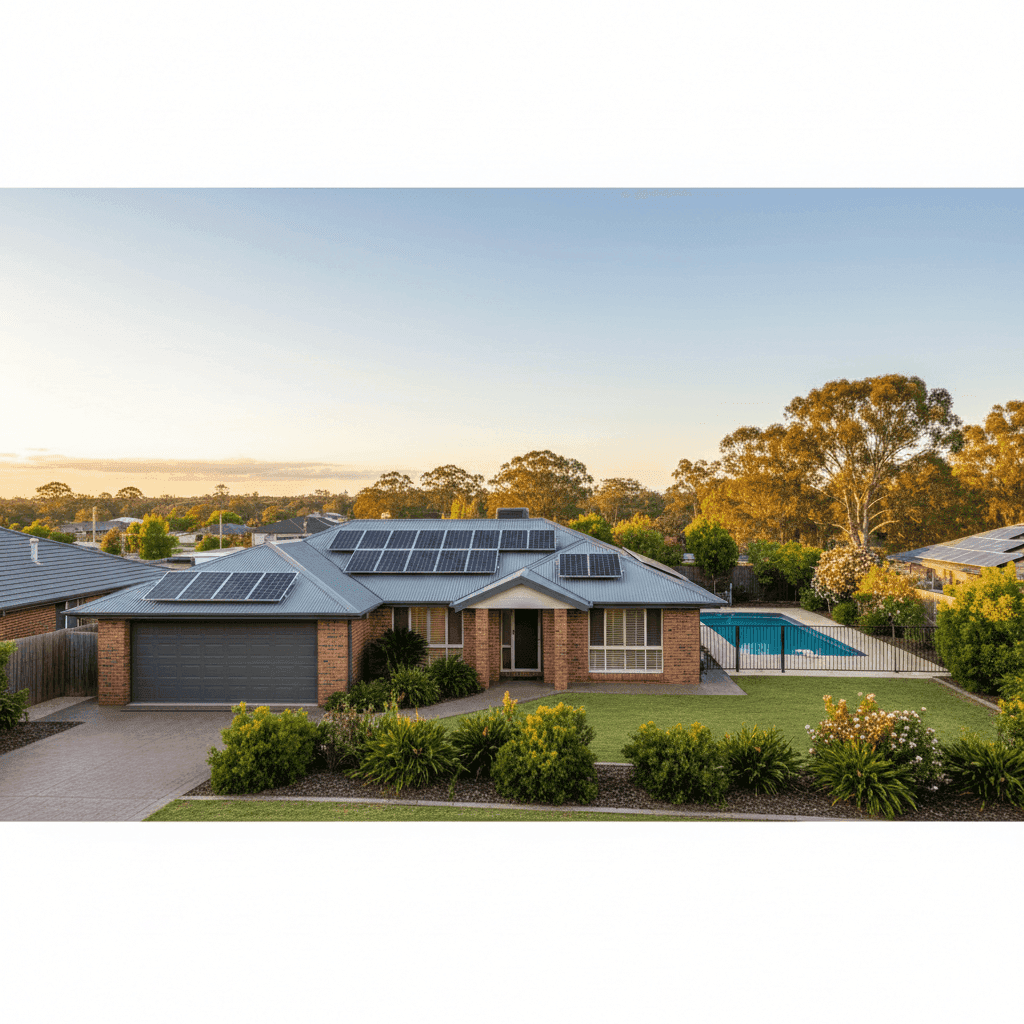
Tapitallee is a quiet rural locality tucked within the Shoalhaven region of New South Wales, sitting just inland from the coastal hub of Nowra. It's the kind of area where properties tend to be a little more spacious, the lifestyle is relaxed, and homes — like the four-bedroom free standing brick veneer property we're analysing today — reflect a solid, established style of Australian residential construction. So when a home and contents insurance quote comes in, how do you know whether you're getting a fair deal? Let's break it down.
---
Is This Quote Fair?
The annual premium for this property is $3,298 per year (or $323/month), covering a building sum insured of $745,000 and $50,000 in contents, each with a $2,000 excess. Based on our pricing data, this quote is rated CHEAP — below average for the area.
That's genuinely good news. In a market where insurance premiums have been climbing steadily across Australia, landing below the local average is a meaningful outcome. The suburb average for Tapitallee sits at $3,870/year, meaning this quote comes in approximately $572 less per year than what other homeowners in the area are typically paying. It even sits below the suburb's 25th percentile of $3,363 — placing it among the most competitive quotes available locally.
For a property with features like a swimming pool, solar panels, and ducted climate control — all of which can nudge premiums upward — achieving a below-average price is a solid result worth noting.
---
How Tapitallee Compares
Understanding your premium in context is one of the best ways to gauge value. Here's how this quote stacks up across different geographic benchmarks:
| Benchmark | Average Premium | Median Premium |
|---|---|---|
| Tapitallee (2540) | $3,870/yr | $3,681/yr |
| NSW | $9,528/yr | $3,770/yr |
| National | $5,347/yr | $2,764/yr |
A few things stand out here. The NSW average premium of $9,528 looks startling at first glance, but the median of $3,770 tells a more balanced story — the average is being dragged upward by high-risk or high-value properties in flood-prone, bushfire-affected, or coastal areas across the state. Tapitallee's median of $3,681 is actually quite close to the NSW median, suggesting the suburb sits in a fairly typical risk band for New South Wales.
Nationally, the median premium of $2,764 is lower than Tapitallee's median, which reflects the fact that many Australian postcodes — particularly in lower-risk metropolitan suburbs — attract cheaper premiums. That said, regional NSW properties with larger land sizes, additional features, and higher rebuild costs naturally command higher cover amounts and, in turn, higher premiums.
You can explore detailed pricing data for this postcode at our Tapitallee suburb stats page, compare it against the broader NSW insurance landscape, or see how it measures up on the national stats page.
> Note: The suburb sample size for this analysis is 5 quotes, so while directionally useful, the local averages should be interpreted with some caution. A larger dataset would provide even greater confidence.
---
Property Features That Affect Your Premium
Every property tells its own insurance story. Here's how the specific characteristics of this home are likely influencing the premium:
Brick Veneer Walls & Colorbond Roof
Brick veneer is one of the most common — and insurer-friendly — wall materials in Australia. It's durable, fire-resistant, and relatively straightforward to repair or rebuild. Paired with a steel Colorbond roof, which is lightweight, weather-resistant, and long-lasting, this combination generally attracts favourable pricing from insurers compared to, say, weatherboard or fibro construction.
Slab Foundation
A concrete slab foundation is considered low-risk by most insurers. Unlike homes on stumps or piers, slab homes have minimal subfloor space, reducing exposure to moisture damage, pest ingress, and certain structural risks. This is a positive factor for premium pricing.
Swimming Pool
A pool adds value to a property but also introduces liability considerations. Insurers factor in the risk of accidental damage to pool equipment, as well as public liability exposure. It's worth confirming that your policy explicitly covers pool-related liability and that the pool's value is adequately reflected in your sum insured.
Solar Panels
Solar panels are increasingly common on Australian homes, but they do add to the cost of rebuilding or repairing a property. Ensure your building sum insured of $745,000 accounts for the replacement cost of your solar system — panels, inverter, and installation — as these costs can run into the tens of thousands of dollars.
Ducted Climate Control
Ducted air conditioning systems are expensive to replace and can be damaged by storms, power surges, or fire. Most standard building policies will cover this as part of the structure, but it's worth verifying the specifics with your insurer, particularly around storm damage and electrical faults.
Construction Year: 1998
A home built in 1998 is mature but not aged. It predates some of the more recent building code improvements around energy efficiency and cyclone ratings, but it's well past the era of high-risk materials like asbestos. Regular maintenance is key to keeping a property of this age in good insurable condition.
No Cyclone Risk
Tapitallee falls outside designated cyclone risk zones, which is a meaningful premium benefit. Cyclone-rated premiums in northern Queensland and parts of WA, for example, can be dramatically higher. This property avoids that loading entirely.
---
Tips for Homeowners in Tapitallee
1. Review your building sum insured annually With construction costs rising across NSW, the cost to rebuild your home may have increased since you last reviewed your policy. A 214 sqm brick veneer home with ducted climate control, a pool, and solar panels could cost significantly more to rebuild today than even a few years ago. Use a building cost calculator or speak to a quantity surveyor to ensure your $745,000 sum insured remains adequate.
2. Consider your excess carefully Both the building and contents excess on this policy sit at $2,000. A higher excess generally lowers your premium, while a lower excess means less out-of-pocket cost at claim time. Think about what you could comfortably afford to pay in an emergency and adjust accordingly.
3. Don't underestimate your contents $50,000 in contents cover may be sufficient for some households, but it's worth doing a room-by-room audit. Furniture, appliances, clothing, electronics, and outdoor items (including pool equipment and garden furniture) can add up quickly. Underinsurance is one of the most common issues Australian homeowners face at claim time.
4. Bundle strategically, but still compare Many insurers offer discounts when you bundle home and contents cover — which this policy already does. However, bundling doesn't always guarantee the best overall price. It's worth comparing quotes regularly to ensure your bundled premium remains competitive. Get a fresh quote at CoverClub to see how your current rate stacks up.
---
Compare Your Home Insurance Today
Whether you're reviewing an existing policy or shopping for cover on a new property, CoverClub makes it easy to compare home insurance quotes across Australia. With suburb-level pricing data and transparent comparisons, you can see exactly how your premium measures up — and find out if there's a better deal available. Start your comparison at CoverClub and make sure your home is covered at the right price.