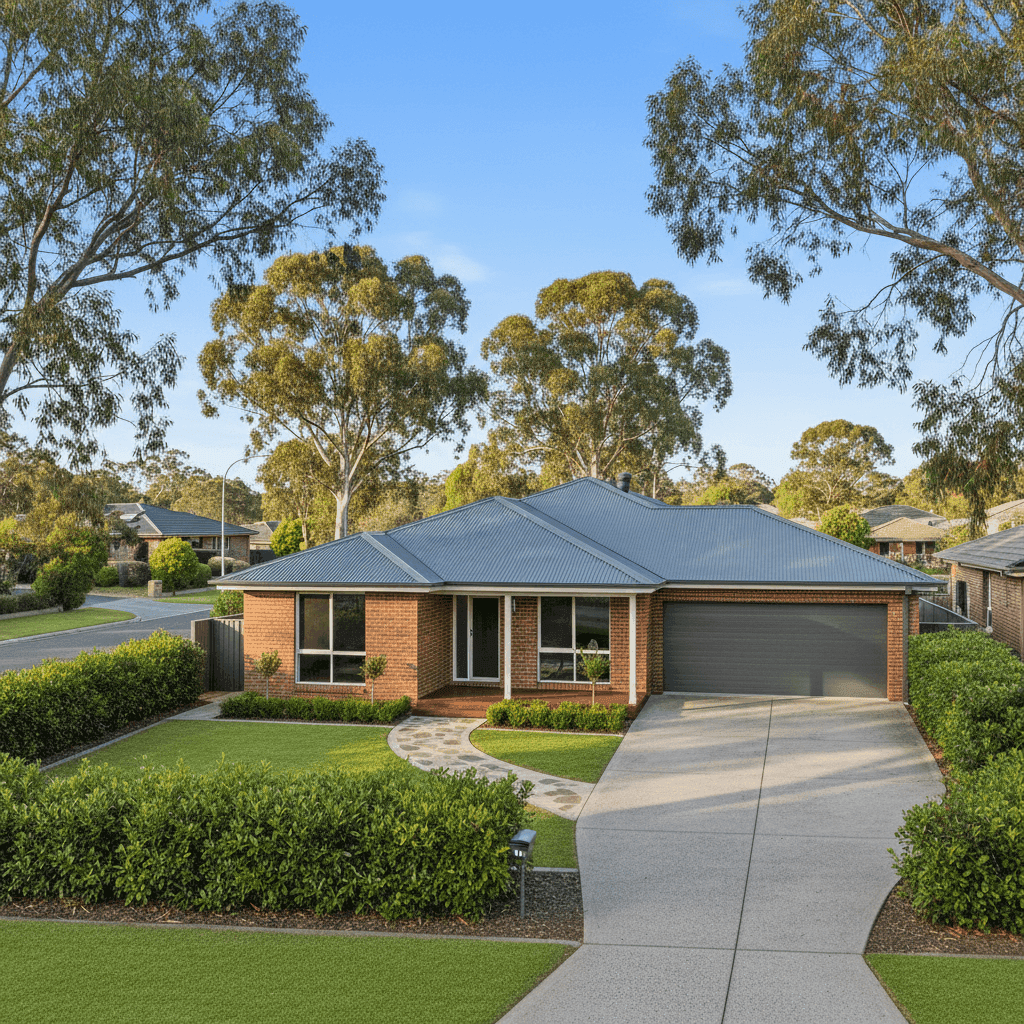
If you own a free standing home in Taree, NSW 2430, you've probably noticed that home insurance can vary wildly depending on who you ask. This article breaks down a real home and contents insurance quote for a three-bedroom, one-bathroom brick veneer home in Taree — and puts it in context against what other locals, NSW residents, and Australians across the country are paying.
Whether you're shopping around for the first time or wondering if your current policy is still competitive, this analysis gives you the numbers you need to make an informed decision.
---
Is This Quote Fair?
The quote in question comes in at $2,524 per year (or $247 per month) for combined home and contents cover, with a building sum insured of $650,000 and contents valued at $160,000. The building excess is $2,000 and the contents excess is $1,000.
Our price rating for this quote is Expensive — above average for the Taree area.
To put that in perspective, the average home and contents premium in the Taree 2430 postcode sits at $1,867 per year, and the median is notably lower at $1,360 per year. This quote lands well above both figures, and even sits above the suburb's 75th percentile of $2,206 per year — meaning it's pricier than at least three-quarters of comparable quotes collected in the area.
That said, it's worth noting that the sum insured here is substantial. A $650,000 building cover and $160,000 in contents is a meaningful level of protection, and higher coverage limits will naturally push premiums upward. Still, even accounting for that, there's a reasonable case to be made that this quote has room to come down with a bit of shopping around.
---
How Taree Compares
Understanding where Taree sits in the broader insurance landscape is genuinely useful when assessing whether a quote is reasonable.
| Benchmark | Average Premium | Median Premium |
|---|---|---|
| Taree (NSW 2430) | $1,867/yr | $1,360/yr |
| Mid-Coast LGA | $4,463/yr | — |
| New South Wales | $3,801/yr | $3,410/yr |
| National | $2,965/yr | $2,716/yr |
A few things stand out here. First, Taree's suburb-level averages are significantly lower than both the NSW and national figures — which is actually good news for local homeowners. The NSW state average of $3,801 per year and the national average of $2,965 per year both dwarf the typical Taree premium, suggesting the suburb is relatively affordable to insure compared to many other parts of the country.
However, the Mid-Coast LGA average of $4,463 per year tells a more complex story. This elevated figure likely reflects the diverse risk profile across the broader local government area, which includes coastal and flood-prone pockets that can attract higher premiums. Taree itself, while inland from the coast, sits near the Manning River and has experienced significant flooding historically — a factor that insurers weigh carefully.
You can explore the full Taree suburb insurance stats to see how premiums are distributed across the postcode.
---
Property Features That Affect Your Premium
Every property is different, and insurers assess a range of building characteristics when calculating your premium. Here's how the features of this particular home are likely influencing the cost.
Brick Veneer Walls Brick veneer is generally viewed favourably by insurers. It offers solid fire resistance and durability, which can help keep premiums lower compared to timber-framed or weatherboard homes. That's a tick in the right column for this property.
Steel/Colorbond Roof A Colorbond roof is another positive signal. It's durable, low-maintenance, and performs well in both fire and storm conditions. Insurers tend to price these homes more competitively than those with older tile or corrugated iron roofing.
Stump Foundation Homes on stumps are a common sight in regional NSW, particularly in older builds. While stumps allow for airflow and can be practical in certain soil conditions, they can be a flag for insurers in flood-prone areas — the elevated floor level actually helps in flood events, but the foundation type itself may attract scrutiny depending on the insurer's underwriting guidelines.
Construction Year: 1973 At over 50 years old, this home is considered an older build. Ageing electrical wiring, plumbing, and roofing materials can increase the likelihood of claims, which often translates to a higher base premium. Some insurers may also require a higher excess or apply loadings for older properties.
130 sqm Floor Area At 130 square metres, this is a modest-sized home. Rebuild costs are a key driver of the building sum insured, and 130 sqm is well within a manageable range — though the $650,000 sum insured suggests the policy is accounting for full replacement including site costs, demolition, and current construction rates, which have risen sharply in recent years.
No Pool, Solar Panels, or Ducted Climate Control The absence of these features keeps the risk profile straightforward. Pools, solar systems, and ducted air conditioning can all add complexity and cost to a policy, so not having them works in this homeowner's favour.
---
Tips for Homeowners in Taree
1. Shop around — seriously With a quote sitting above the 75th percentile for the suburb, this is a clear case where comparing alternatives could make a real difference. Premiums for the same property can vary by hundreds of dollars between insurers. Use a comparison tool like CoverClub to see what else is on the market before renewing.
2. Review your sum insured carefully A $650,000 building sum insured is significant for a 130 sqm home. It's worth running a rebuild cost estimate to make sure you're not over-insured — paying for more coverage than you'd actually need to rebuild. Equally, being under-insured carries serious financial risk, so aim for accuracy rather than simply choosing a round number.
3. Consider your excess strategically The building excess on this policy is $2,000, which is on the higher side. Opting for a higher excess is one way to reduce your annual premium, but make sure it's an amount you could genuinely afford to pay out of pocket in the event of a claim. If cash flow is a concern, a lower excess with a slightly higher premium may be the smarter trade-off.
4. Ask about flood cover specifically Taree has a documented history of flooding, particularly along the Manning River. Make sure your policy explicitly includes flood cover — not just storm or rainwater damage — and understand exactly what triggers a flood claim under your insurer's definition. This is one area where policy wording really matters.
---
Ready to Compare?
If this quote doesn't feel right for your situation, the good news is that you don't have to accept it. CoverClub makes it easy to compare home and contents insurance options for your Taree property in minutes. Get a quote today and see whether you could be paying less for the same — or better — level of cover.