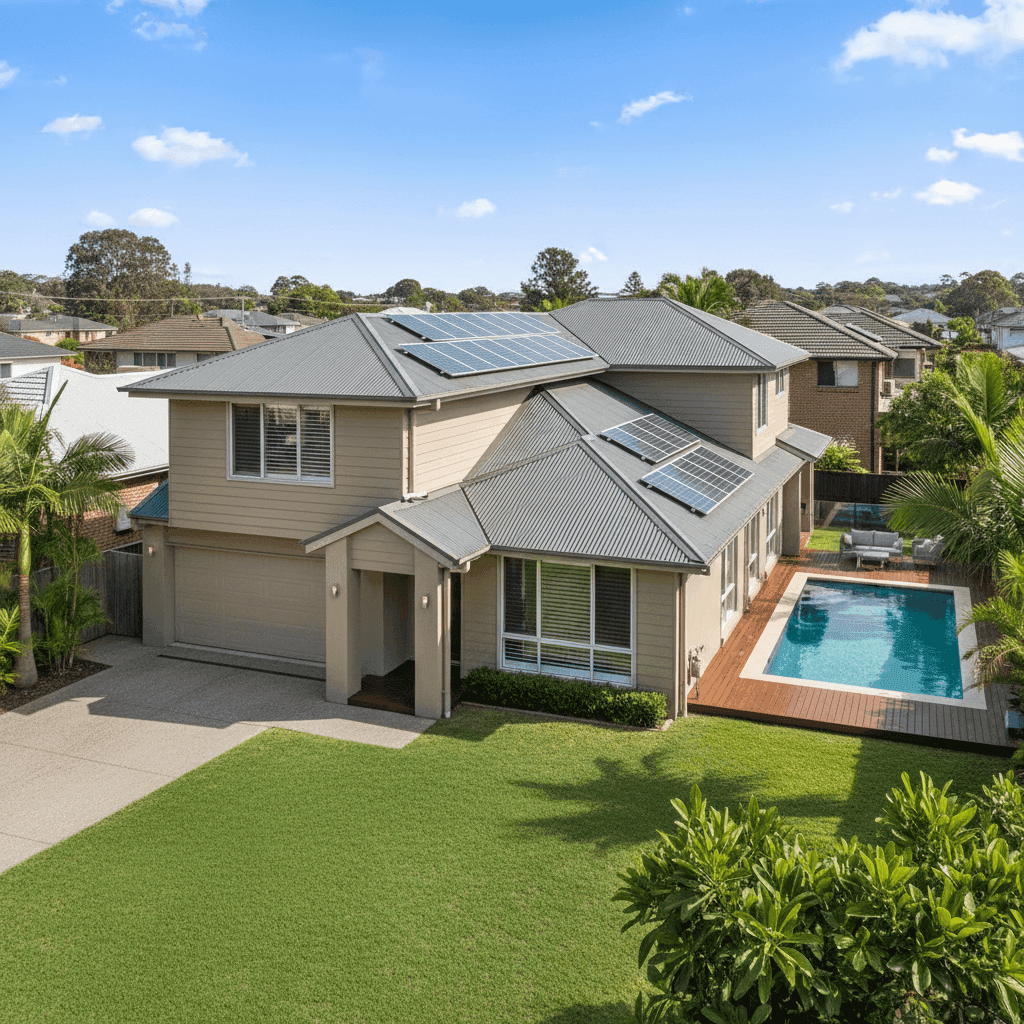
Taringa is a well-established inner-western suburb of Brisbane, popular with families and professionals drawn to its leafy streets, proximity to the University of Queensland, and easy access to the CBD. If you own a free standing home here, you already know the area commands premium real estate — and your insurance bill may reflect that too. This article breaks down a real home and contents insurance quote for a four-bedroom, three-bathroom property in Taringa (QLD 4068), rated Expensive (Above Average), and explains what's driving the cost.
---
Is This Quote Fair?
The quote in question sits at $3,656 per year (or $363/month), covering both building and contents for a free standing home with a building sum insured of $1,400,000 and contents valued at $81,000. Both the building and contents excess are set at $500.
To put it plainly: this premium is above average compared to the local suburb benchmark. The average home insurance premium in Taringa sits at around $2,148 per year, with a median of $2,130 — meaning this quote is roughly 70% higher than what most Taringa homeowners are paying.
That said, context matters enormously here. A $1.4 million building sum insured is a significant figure, and the property includes several features — a pool, solar panels, and ducted climate control — that all contribute to a higher replacement cost and, consequently, a higher premium. The "Expensive" rating reflects how this quote stacks up against comparable local properties, but it doesn't necessarily mean the homeowner is being overcharged for what they're insuring.
---
How Taringa Compares
Understanding where your premium sits relative to broader benchmarks helps you gauge whether you're getting a competitive deal.
| Benchmark | Average Premium |
|---|---|
| Taringa (suburb) | $2,148/yr |
| Brisbane LGA | $16,277/yr |
| Queensland (state) | $4,547/yr |
| National | $2,965/yr |
A few things stand out from this data:
- Against the suburb: At $3,656, this quote is notably above the Taringa suburb average of $2,148. However, it's worth noting that the suburb sample size is small (5 quotes), so these figures may not fully represent the range of properties and cover levels in the area.
- Against Queensland: The Queensland state average of $4,547 is actually higher than this quote — which is a reminder that QLD premiums are broadly elevated due to severe weather risk across the state. This property's quote is comfortably below the state average.
- Against the national picture: The national average of $2,965 is lower than this quote, though the national figure encompasses a wide variety of property types, sizes, and risk profiles.
- Against Brisbane LGA: The Brisbane LGA average of $16,277 is extraordinarily high, likely skewed by a small number of very high-value or high-risk properties. This quote is well below that figure.
In summary, while this premium is above the Taringa suburb average, it tracks reasonably well against Queensland and national norms — particularly given the high building sum insured and the property's features.
---
Property Features That Affect Your Premium
Several characteristics of this property directly influence the cost of cover. Here's how each one plays a role:
High Building Sum Insured ($1,400,000)
This is likely the single biggest driver of the premium. A higher sum insured means the insurer is on the hook for more in the event of a total loss. For a 235 sqm home built in 2011 with top-of-the-range fittings, a $1.4 million rebuild estimate is plausible — premium finishes, large floor plans, and quality fixtures all push replacement costs up significantly.
Top-of-the-Range Fittings
High-end kitchens, bathrooms, and fixtures cost substantially more to replace than standard fittings. Insurers factor in the quality of internal finishes when pricing cover, and "top of the range" fittings will always attract a higher premium.
Swimming Pool
Pools add to the insurable value of the property and also introduce liability considerations. In Queensland's climate, pools are common, but they do add to the overall risk profile — particularly when it comes to property damage, maintenance, and third-party injury liability.
Solar Panels
A rooftop solar system is a valuable asset that needs to be covered. Depending on the policy, solar panels may be included under the building sum insured or listed as a separate item. Either way, their presence adds to the replacement value of the home.
Hardiplank/Hardiflex Walls & Colorbond Roof
Fibre cement cladding (like Hardiplank) and steel Colorbond roofing are both considered durable, low-maintenance materials. These are generally viewed favourably by insurers compared to older materials, and may help moderate the premium compared to properties with timber weatherboard or terracotta tile roofing.
Slab Foundation & Timber/Laminate Flooring
A concrete slab foundation is standard for a 2011 build and is generally considered a stable, low-risk foundation type. Timber and laminate flooring adds aesthetic and replacement value, which is reflected in the contents and building valuations.
No Cyclone Risk
Taringa falls outside designated cyclone risk zones, which is a meaningful factor in keeping premiums lower than many other Queensland locations — particularly those in North Queensland where cyclone levies can add hundreds of dollars to annual premiums.
---
Tips for Homeowners in Taringa
If you're looking to get the best value from your home insurance, here are four practical steps worth taking:
- Review your building sum insured annually. Construction costs have risen sharply in recent years. Make sure your sum insured reflects current rebuild costs — not what you paid for the property or what it's worth on the market. Underinsurance is a common and costly mistake.
- Compare quotes before renewing. Insurers rarely reward loyalty with their best pricing. Use a comparison service like CoverClub to benchmark your renewal quote against the broader market before you commit.
- Check what's included for your pool and solar panels. Not all policies automatically cover solar panel systems or pool equipment under the standard building definition. Confirm with your insurer exactly what's covered — and for how much — to avoid surprises at claim time.
- Consider your excess level. A $500 excess is fairly standard, but opting for a higher excess (say, $1,000 or $2,000) can meaningfully reduce your annual premium. If you're unlikely to make small claims, a higher excess could save you money over time.
---
Ready to Compare?
Whether you think your current premium is fair or you're shopping around for the first time, comparing quotes is the smartest move you can make. At CoverClub, you can benchmark your home and contents insurance against real quotes from across Taringa, Brisbane, and Australia — so you always know where you stand. It takes just a few minutes and could save you hundreds.