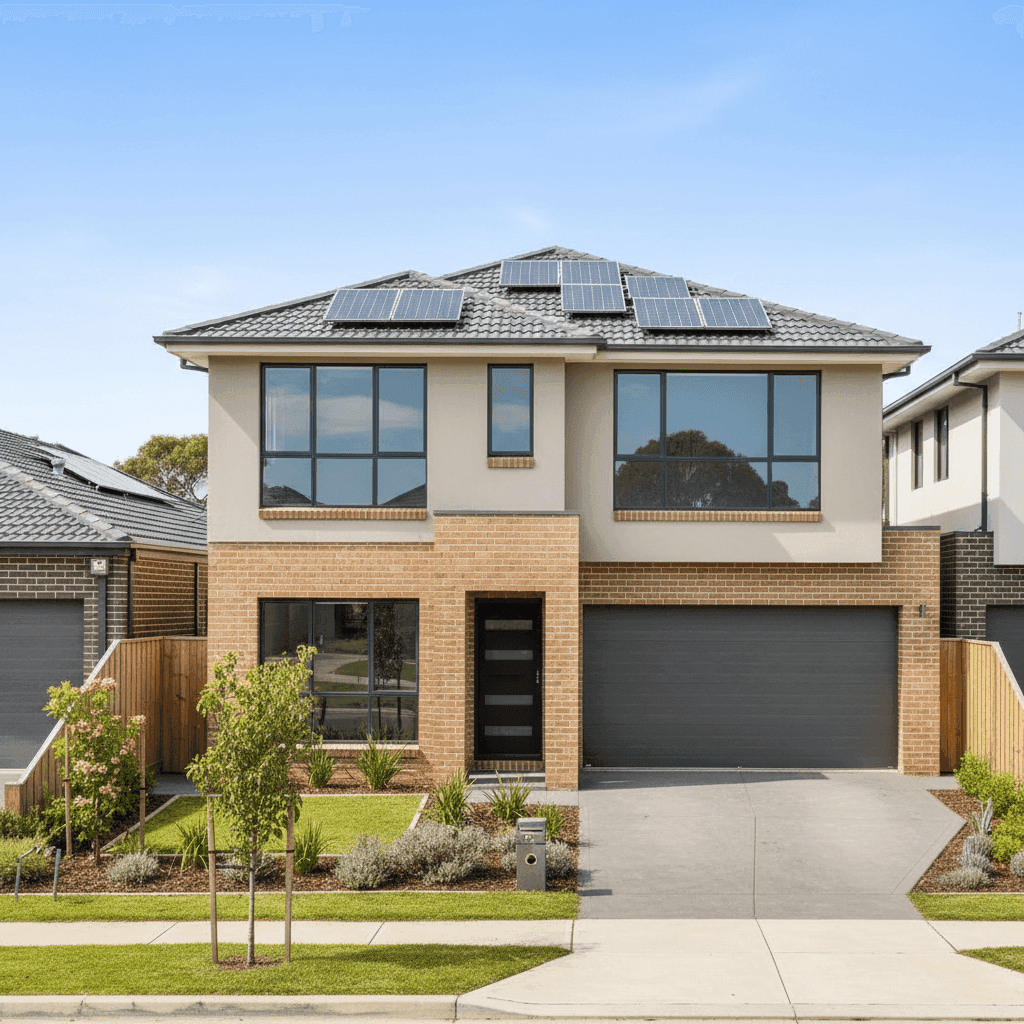
If you own a free standing home in Taylors Hill, VIC 3037, you're living in one of Melbourne's well-established western growth corridors — a suburb known for its family-friendly streetscapes, modern builds, and solid brick construction. But when your home insurance renewal lands in the letterbox, how do you know if you're getting a fair deal? This article breaks down a real home and contents insurance quote for a five-bedroom property in Taylors Hill, benchmarks it against local and national data, and offers practical tips to help you make a more informed decision.
---
Is This Quote Fair?
The quote in question comes in at $2,786 per year (or $280/month) for a combined home and contents policy, covering a building sum insured of $1,490,000 and contents valued at $270,000. Both the building and contents excess are set at $1,000.
Our pricing analysis rates this quote as Expensive — Above Average.
To put that in context: the suburb average for Taylors Hill sits at just $1,768/year, with a median of $1,793/year. This quote is roughly 57% above the suburb average, which is a significant gap worth investigating. Even at the 75th percentile for the suburb — meaning 75% of comparable quotes are cheaper — the figure is only $2,044/year, still well below this quote's $2,786.
That said, it's important to recognise what's driving the higher premium. A $1,490,000 building sum insured is substantially higher than what many properties in the suburb carry. Larger homes with above-average fittings quality, solar panels, and ducted climate control all contribute to a higher replacement cost estimate — and insurers price accordingly. The contents cover of $270,000 also adds meaningful weight to the overall premium.
So while this quote is above average for the suburb, it's not necessarily unreasonable given the size and specification of the property. The key question is whether the sum insured is accurately calibrated and whether a more competitive insurer could offer the same coverage for less.
---
How Taylors Hill Compares
Understanding where your premium sits relative to broader benchmarks helps cut through the noise. Here's how this quote stacks up:
| Benchmark | Premium |
|---|---|
| This Quote | $2,786/yr |
| Taylors Hill Suburb Average | $1,768/yr |
| Taylors Hill Suburb Median | $1,793/yr |
| Taylors Hill 75th Percentile | $2,044/yr |
| Brimbank LGA Average | $1,707/yr |
| VIC State Average | $3,000/yr |
| VIC State Median | $2,718/yr |
| National Average | $5,347/yr |
| National Median | $2,764/yr |
Interestingly, this quote actually sits below the Victorian state average of $3,000/year and is very close to the national median of $2,764/year. When viewed through that wider lens, the premium looks considerably more reasonable — even competitive by national standards.
The Taylors Hill suburb average of $1,768/year reflects a relatively low-risk postcode. Taylors Hill doesn't face cyclone risk, sits outside high bushfire zones, and benefits from modern construction standards, all of which keep baseline premiums lower than much of regional Victoria or coastal Queensland.
Across Victoria as a whole, premiums vary enormously depending on bushfire exposure, flood history, and property age. And nationally, the average of $5,347/year is heavily skewed by high-risk regions in Queensland and Western Australia — making this Taylors Hill quote look quite modest by comparison.
The bottom line: this quote is above average for the immediate suburb but sits comfortably within the broader Victorian and national context, particularly given the property's size and features.
---
Property Features That Affect Your Premium
Several characteristics of this property directly influence what insurers charge. Understanding them helps you assess whether your coverage is appropriately priced.
Brick Veneer Walls & Tiled Roof Brick veneer with a tiled roof is one of the most common — and insurer-friendly — construction types in suburban Melbourne. It's considered durable and relatively resistant to fire and wind damage, which typically attracts more favourable rates compared to timber-framed or steel-clad homes.
Slab Foundation A concrete slab foundation is standard for homes built in this era and region. It reduces the risk of subsidence and pest-related structural damage, both of which can inflate premiums on older or pier-and-beam homes.
Construction Year: 2010 At around 14–15 years old, this home is modern enough to comply with updated building codes but old enough that some components (roof tiles, hot water systems, electrical) may be approaching mid-life. Insurers generally view homes from this era favourably.
Solar Panels Solar panels are increasingly common in Melbourne's west, but they do add to the replacement cost of a home. If your panels aren't explicitly listed on your policy or included in your building sum insured, you could be underinsured in the event of a claim.
Ducted Climate Control Ducted heating and cooling systems are expensive to replace — often $10,000–$20,000 or more for a home of this size. Ensuring your building sum insured accounts for this is essential.
Above-Average Fittings Quality Higher-quality fittings — think stone benchtops, premium appliances, and quality floor coverings — cost more to repair or replace. This is a key driver of both the building sum insured and the premium itself.
214 sqm Building Size with 5 Bedrooms & 3 Bathrooms At 214 sqm with five bedrooms and three bathrooms, this is a substantial family home. Larger homes simply cost more to rebuild, and the sum insured should reflect full replacement value — not market value.
---
Tips for Homeowners in Taylors Hill
1. Review Your Building Sum Insured Carefully The $1,490,000 building sum insured is the single biggest driver of this premium. Use a building replacement cost calculator (many insurers offer one free) to verify this figure is accurate. Being overinsured costs you in premiums; being underinsured could cost you far more after a claim.
2. Confirm Solar Panels Are Covered Check your policy wording to confirm solar panels are included under your building cover. Some policies cover them automatically; others require them to be listed as a separate item. Given the cost of a full solar system, this is worth a quick call to your insurer.
3. Shop Around — Even If You're Happy With 15 quotes sampled in the Taylors Hill area, there's genuine price variation in this postcode. A quote that's $700–$1,000 above the suburb average suggests there may be more competitive options available for the same level of cover. Comparing at least three quotes at renewal is a simple habit that can save hundreds annually.
4. Consider Your Excess Level Both the building and contents excess on this policy are set at $1,000. Increasing your excess — say, to $2,000 — can meaningfully reduce your annual premium. If you have a solid emergency fund and are unlikely to make small claims, a higher excess is often a smart trade-off.
---
Ready to Compare?
Whether you're renewing your existing policy or buying cover for the first time, comparing quotes is the fastest way to ensure you're not overpaying. At CoverClub, we make it easy to see how your premium stacks up and find better value — without the hassle. Get a home insurance quote today and see what Taylors Hill homeowners are actually paying.