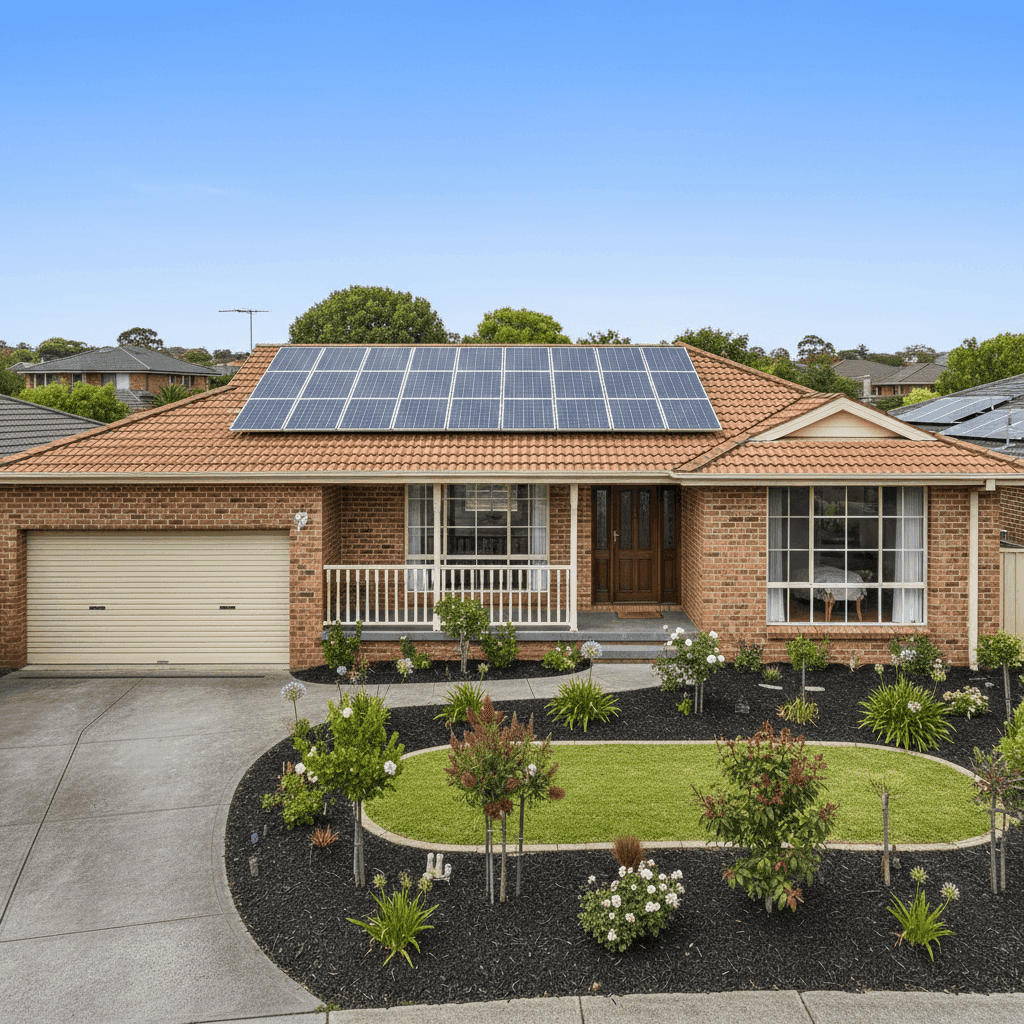
If you own a four-bedroom free standing home in Taylors Lakes, VIC 3038, you're living in one of Melbourne's well-established north-western suburbs — a family-friendly area known for its quiet streets, quality housing stock, and proximity to Watergardens Town Centre. Like most Australian homeowners, you're probably wondering whether you're getting a fair deal on your home and contents insurance. This article breaks down a real quote for a property in this suburb and puts the numbers into context so you can make a more informed decision.
---
Is This Quote Fair?
The quote in question comes in at $1,822 per year (or $181/month) for combined home and contents cover, with a building sum insured of $750,000 and contents valued at $99,000. Both the building and contents excess are set at $1,000.
Our price rating for this quote is FAIR — Around Average.
That rating reflects a quote that sits comfortably within the normal range for the suburb, without being a standout bargain or an obvious overpay. For a property of this size and construction — a 214 sqm brick veneer home built in 1985 with a tiled roof on a slab foundation — this is a reasonable outcome. The home includes solar panels and ducted climate control, both of which can nudge premiums upward due to their replacement cost, so seeing a figure in this range is reassuring.
It's worth noting that "fair" doesn't mean you can't do better. Insurance pricing varies significantly between providers, and even small differences in how each insurer assesses your property can lead to meaningfully different premiums. Shopping around remains worthwhile.
---
How Taylors Lakes Compares
To understand what this quote really means, it helps to look at the broader data. Based on 92 quotes collected for Taylors Lakes (postcode 3038):
| Benchmark | Premium |
|---|---|
| This quote | $1,822/yr |
| Suburb 25th percentile | $1,635/yr |
| Suburb median | $2,156/yr |
| Suburb average | $2,245/yr |
| Suburb 75th percentile | $2,618/yr |
| LGA (Brimbank) average | $1,707/yr |
| VIC state average | $3,000/yr |
| VIC state median | $2,718/yr |
| National average | $5,347/yr |
| National median | $2,764/yr |
This quote lands below both the suburb median ($2,156) and the suburb average ($2,245), which is a positive sign. It's also well under the Victorian state average of $3,000 and dramatically below the national average of $5,347 — though that national figure is heavily influenced by high-risk regions like North Queensland where cyclone and flood exposure pushes premiums sky-high.
Compared to the broader Brimbank LGA average of $1,707, this quote is slightly higher, which could reflect the specific features of this property (solar panels, ducted climate control, and a relatively generous contents sum insured of $99,000).
Overall, the numbers suggest this homeowner is not being overcharged — but there may still be room to improve, particularly by comparing offers from multiple insurers.
---
Property Features That Affect Your Premium
Every property is different, and insurers price risk based on a detailed combination of factors. Here's how the key characteristics of this home play into the premium:
Brick Veneer Construction & Tiled Roof
Brick veneer is one of the most common wall types in Melbourne's suburban housing stock, and insurers generally view it favourably. It's considered more fire-resistant than timber weatherboard and more cost-effective to repair than full double brick. Combined with a tiled roof — another standard and well-regarded material — this home presents a relatively low-risk construction profile.
Built in 1985
Homes from the mid-1980s are in an interesting middle ground. They're old enough that some systems (plumbing, electrical, roofing) may be approaching the end of their serviceable life, which can factor into insurer assessments. However, they're generally well-built compared to some older stock and don't carry the heritage complications of pre-war homes. Regular maintenance is key to keeping your premium competitive.
Slab Foundation & Tiled Flooring
A concrete slab foundation is standard for this era of Melbourne construction and is generally considered stable. Tiled flooring throughout is also a plus from an insurer's perspective — it's durable, water-resistant, and less susceptible to damage from minor leaks than carpet or timber.
Solar Panels
Solar panels are increasingly common, but they do add to the replacement cost of your home. If your panels are damaged by a storm or hail event, repair or replacement can be expensive. Make sure your building sum insured accounts for the full cost of reinstating your solar system — underinsurance is a real risk here.
Ducted Climate Control
Ducted heating and cooling systems are a significant asset but also a notable replacement cost. A full ducted system can cost tens of thousands of dollars to replace, so it's important this is factored into your building sum insured.
No Pool, No Cyclone Risk
The absence of a swimming pool removes one common liability consideration, and being outside a cyclone-prone zone keeps the risk profile straightforward for Victorian insurers.
---
Tips for Homeowners in Taylors Lakes
1. Review Your Building Sum Insured Regularly
At $750,000, the building sum insured for this property is substantial — but construction costs have risen sharply in recent years. Make sure your sum insured reflects current rebuild costs, not just the market value of your home. Use a building cost calculator or speak with a quantity surveyor if you're unsure. Underinsurance can leave you significantly out of pocket after a major claim.
2. Confirm Your Solar Panels Are Fully Covered
Not all policies automatically include solar panels under the building cover, or they may apply sub-limits. Check your Product Disclosure Statement (PDS) carefully to confirm your panels — and any associated inverters or battery storage — are covered for their full replacement value.
3. Shop Around at Renewal Time
Insurance loyalty doesn't always pay. Insurers frequently offer better rates to new customers than they extend to existing ones. Set a reminder to compare quotes at least 30 days before your renewal date so you have time to switch if a better deal is available.
4. Consider Your Excess Carefully
Both the building and contents excess on this policy are set at $1,000. Opting for a higher excess can reduce your annual premium, but make sure you can comfortably afford that amount out of pocket if you need to make a claim. Conversely, if cash flow is a concern, a lower excess with a slightly higher premium may offer better peace of mind.
---
Ready to Compare?
Whether you're reviewing an existing policy or shopping for the first time, comparing quotes is the single most effective way to ensure you're not overpaying. Get a home insurance quote at CoverClub and see how your premium stacks up against the market — it only takes a few minutes and could save you hundreds of dollars a year.