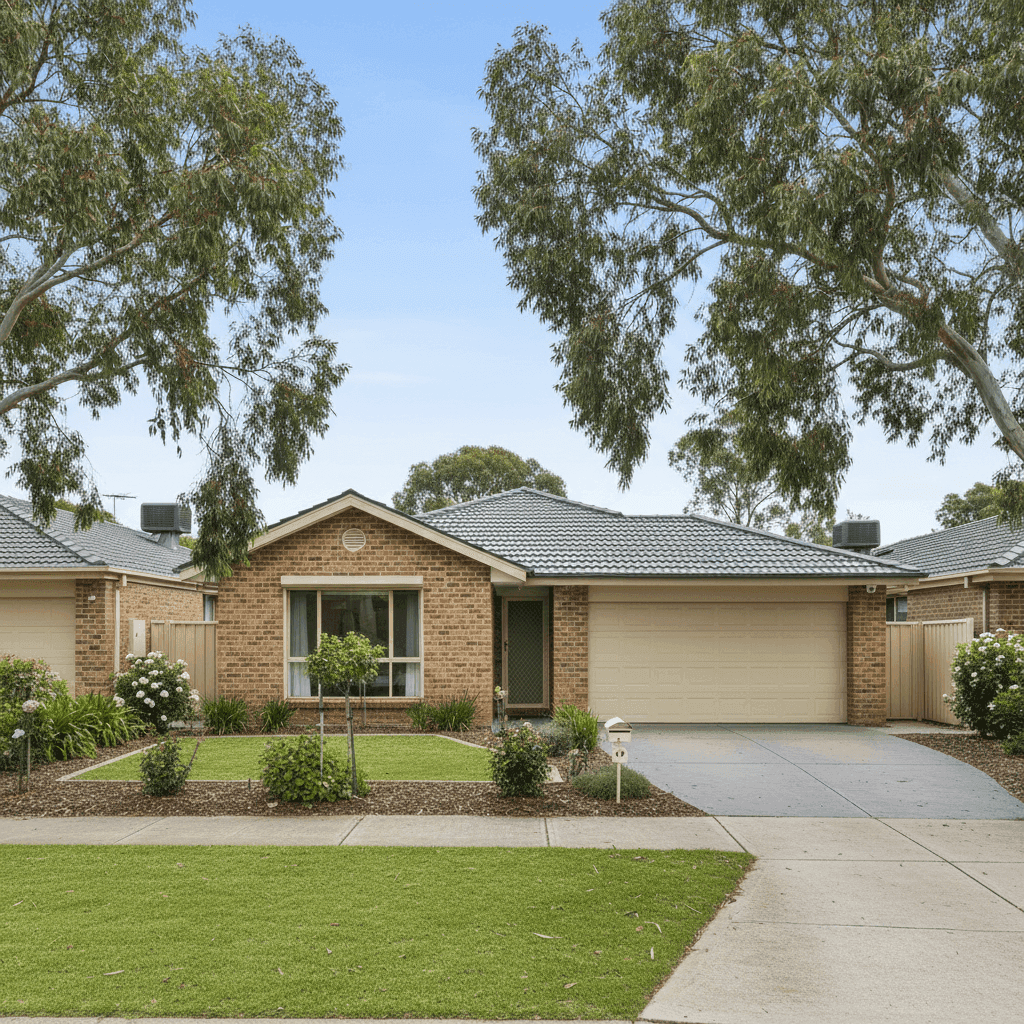
If you own a free standing home in Taylors Lakes, VIC 3038, you've probably wondered whether your home insurance premium is competitive — or whether you're quietly overpaying. This article breaks down a real building insurance quote for a four-bedroom, two-bathroom brick veneer home in Taylors Lakes, comparing it against suburb, state, and national benchmarks to help you make a more informed decision.
---
Is This Quote Fair?
The quote in question comes in at $2,031 per year (or $211/month) for building-only cover, with a building excess of $3,000 and a sum insured of $703,000. Our price rating for this quote is FAIR — Around Average.
That rating holds up when you dig into the numbers. The suburb average for Taylors Lakes sits at $2,245/year, and the median is $2,156/year, meaning this quote is tracking below both of those figures. It falls comfortably within the middle band of the market — above the 25th percentile of $1,635/year but well under the 75th percentile of $2,618/year.
In plain terms: you're not getting a bargain, but you're not being stung either. There's room to do better, but this quote is a reasonable starting point rather than a red flag.
---
How Taylors Lakes Compares
Understanding where your suburb sits relative to broader benchmarks is one of the most useful things you can do as a homeowner. Here's how Taylors Lakes stacks up:
| Benchmark | Premium |
|---|---|
| This Quote | $2,031/yr |
| Taylors Lakes Suburb Average | $2,245/yr |
| Taylors Lakes Suburb Median | $2,156/yr |
| Brimbank LGA Average | $1,707/yr |
| VIC State Average | $3,000/yr |
| VIC State Median | $2,718/yr |
| National Average | $5,347/yr |
| National Median | $2,764/yr |
(Based on 92 quotes collected for the Taylors Lakes area. See full [Taylors Lakes suburb stats](https://coverclub.com.au/stats/VIC/3038/taylors-lakes) and [VIC state stats](https://coverclub.com.au/stats/VIC).)
A few things stand out here. First, this quote sits 12% below the suburb average and 33% below the Victorian state average — both encouraging signs. Second, the Brimbank LGA average of $1,707/year is notably lower than the suburb average, which suggests there may be some variation within the LGA worth exploring.
When you zoom out to the national picture, the contrast is stark. The national average of $5,347/year is heavily influenced by high-risk regions — particularly cyclone-prone areas in Queensland and Western Australia — which inflates the figure considerably. The national median of $2,764/year is a more useful comparison point, and this quote sits modestly below that too.
The takeaway: Taylors Lakes is a relatively affordable suburb for home insurance by both Victorian and national standards, and this quote reflects that reasonably well.
---
Property Features That Affect Your Premium
Every home is different, and insurers price risk based on a combination of construction materials, age, location, and features. Here's how the specifics of this property likely influence the premium:
Brick Veneer Walls Brick veneer is one of the most common wall types in Melbourne's outer suburbs and is generally viewed favourably by insurers. It offers solid fire resistance and structural durability, which typically translates to lower premiums compared to weatherboard or lightweight cladding.
Tiled Roof Terracotta or concrete tiles are considered a reliable roofing material in Victoria. They hold up well against hail and fire, and insurers generally price them more competitively than corrugated iron or metal roofing in storm-prone areas.
Slab Foundation A concrete slab foundation is standard for homes built in this era and region. It's a neutral factor for insurers — neither a risk driver nor a discount trigger — but it does indicate a stable, well-anchored structure.
Built in 1985 At roughly 40 years old, this home sits in a moderate age bracket. Homes from this era are generally well-constructed but may have ageing plumbing, wiring, or roofing components that insurers factor into their risk models. It's worth ensuring your sum insured accounts for the cost of bringing materials and systems up to current building code if a full rebuild were ever required.
Ducted Climate Control The presence of ducted heating and cooling adds to the replacement value of the home and is likely factored into the sum insured. It's a meaningful inclusion — ducted systems can cost $10,000–$20,000 or more to replace — so it's important this is adequately covered.
No Pool, No Solar Panels The absence of a pool removes a liability risk that can push premiums higher. Similarly, no solar panels means no additional replacement cost or electrical risk for the insurer to price in.
---
Tips for Homeowners in Taylors Lakes
1. Review your sum insured regularly A sum insured of $703,000 for a 214 sqm home in Melbourne's north-west is broadly in line with current construction costs, but building costs have risen sharply in recent years. Use a building cost calculator to verify your figure annually — being underinsured at claim time can be a costly mistake.
2. Consider a higher excess to lower your premium This quote carries a $3,000 building excess. If you have the financial buffer to absorb a larger out-of-pocket cost in a claim scenario, opting for a higher excess (say, $5,000) can meaningfully reduce your annual premium. Just make sure the trade-off makes sense for your situation.
3. Shop around at renewal time Insurers often reserve their best pricing for new customers. If your policy is approaching renewal, it's worth getting at least two or three competing quotes before auto-renewing. Even a "fair" premium can become an overpayment if you haven't compared recently.
4. Check what's included (and excluded) Building-only cover protects the structure but not your contents. If you have valuable furniture, appliances, or personal belongings, a combined building and contents policy may offer better overall value than two separate policies. Review the Product Disclosure Statement carefully to understand what events are covered and any notable exclusions.
---
Start Comparing Quotes Today
Whether you're reviewing an existing policy or shopping for the first time, the best way to know if you're getting a fair deal is to compare. CoverClub makes it easy to see real quotes for homes in Taylors Lakes and across Victoria — so you can stop guessing and start saving. Get a quote now and see how your premium stacks up.