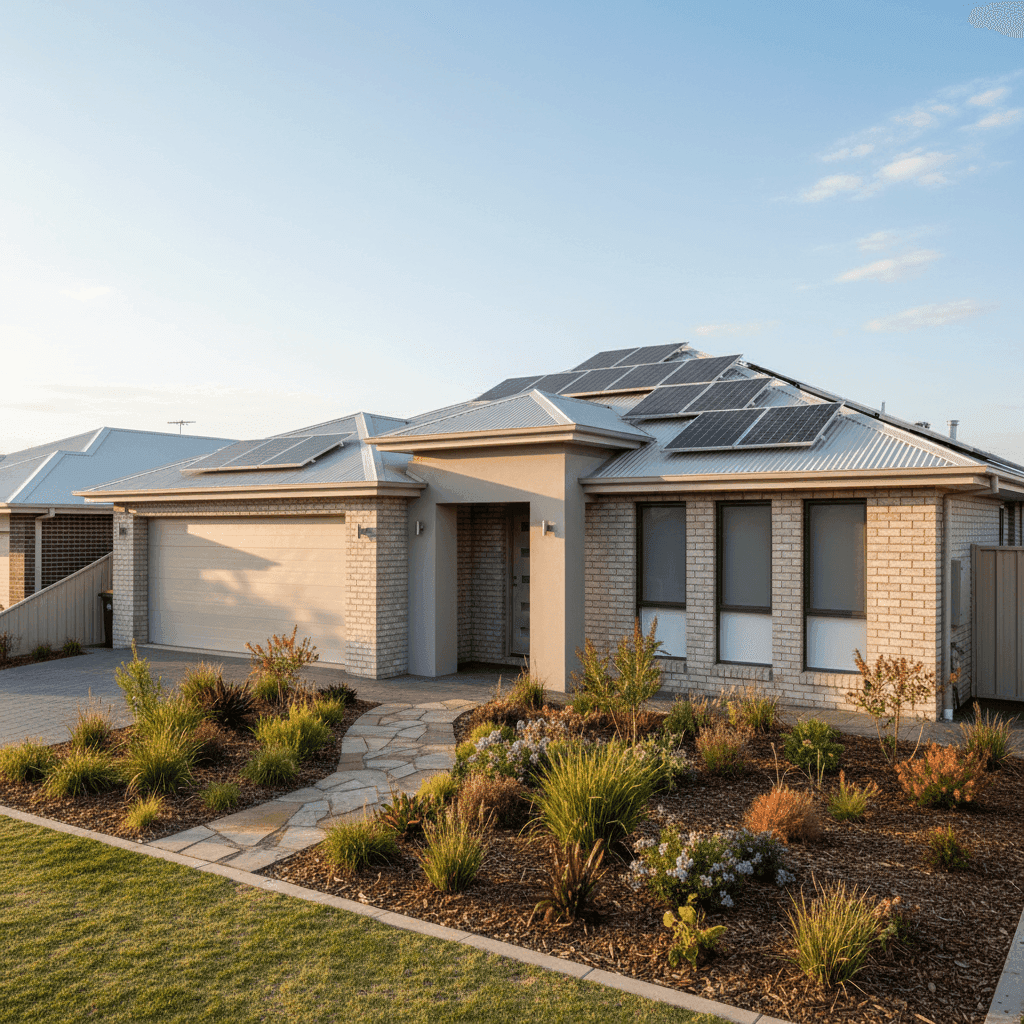
Tea Gardens is a relaxed coastal township nestled on the northern shores of Port Stephens in New South Wales — a place where waterfront living meets laid-back community charm. For homeowners in this area, protecting a four-bedroom free-standing home with the right level of insurance cover is an important financial decision. This article breaks down a real home and contents insurance quote for a property in Tea Gardens (postcode 2324), helping you understand what's driving the premium and whether it represents good value.
---
Is This Quote Fair?
The quote in question comes in at $3,428 per year (or $341/month) for combined home and contents cover, with a building sum insured of $900,000 and contents valued at $40,000. The building excess is set at $3,000, with a separate $500 excess applying to contents claims.
Our price rating for this quote is FAIR — Around Average, and the numbers back that up. Compared to the NSW state average of $3,801/yr, this quote sits comfortably below, representing a modest saving of around $373 annually. Against the national average of $2,965/yr, the quote is somewhat higher — though this is largely expected given the coastal location and the relatively high building sum insured of $900,000.
It's worth noting that the building excess of $3,000 is on the higher side. Choosing a higher excess is a common strategy to reduce premiums, so homeowners should weigh up whether that out-of-pocket exposure in the event of a claim feels comfortable.
---
How Tea Gardens Compares
Looking at local suburb data for Tea Gardens (NSW 2324), based on a sample of 73 quotes, the pricing landscape is quite varied:
| Benchmark | Premium |
|---|---|
| Suburb 25th Percentile | $1,498/yr |
| Suburb Median | $2,873/yr |
| This Quote | $3,428/yr |
| Suburb Average | $4,017/yr |
| Suburb 75th Percentile | $6,684/yr |
| NSW State Average | $3,801/yr |
| National Average | $2,965/yr |
This quote sits above the suburb median of $2,873 but well below the suburb average of $4,017 — a meaningful distinction. Averages in Tea Gardens are pulled upward by a cluster of higher-value properties and more comprehensive policies at the top end of the market (the 75th percentile reaches $6,684/yr). The fact that this quote lands between the median and the average places it squarely in "fair" territory.
One figure that stands out is the LGA (Maitland) average of $13,875/yr. This is significantly elevated compared to Tea Gardens specifically, suggesting that other parts of the broader Maitland local government area carry considerably higher risk profiles — likely due to flood-prone localities along the Hunter River corridor. Tea Gardens itself, while coastal, benefits from a different risk profile to inland flood zones.
Nationally, premiums are lower on average, but Australia-wide data reflects a much broader mix of low-risk suburban and rural properties that bring the national figure down. Coastal NSW properties typically attract higher premiums due to storm, wind, and in some areas, flood exposure.
---
Property Features That Affect Your Premium
Several characteristics of this property influence the premium, both positively and negatively.
Brick Veneer Walls & Colorbond Roof Brick veneer construction is generally viewed favourably by insurers — it offers solid fire resistance and structural durability. The steel Colorbond roof is similarly well-regarded; it's lightweight, resistant to corrosion, and performs well in high-wind conditions. Together, these materials typically result in more competitive premiums compared to timber-framed or older fibrous cement homes.
Slab Foundation A concrete slab foundation is a standard and low-risk choice for insurers. It eliminates the underfloor moisture and pest vulnerabilities associated with raised timber stumps, which can contribute to lower premiums.
Timber & Laminate Flooring While aesthetically popular, timber and laminate flooring can be more susceptible to water damage than tiled surfaces. This may have a marginal upward influence on the contents or building premium, particularly given the coastal environment.
Solar Panels The presence of solar panels adds replacement value to the building sum insured. Insurers factor in the cost of repairing or replacing rooftop solar systems after events like hailstorms or fire, which can nudge premiums slightly higher. It's important to ensure your building sum insured explicitly accounts for the value of your solar installation.
Ducted Climate Control Ducted air conditioning systems are a significant fixed asset within the home. Like solar panels, they contribute to the overall replacement cost of the building and are a relevant factor in setting an appropriate sum insured.
Building Size: 244 sqm At 244 square metres, this is a generously sized family home. Larger floor areas directly increase rebuild costs, which is reflected in the $900,000 sum insured. Accurately calculating your rebuild cost — not the market value of your property — is critical to avoiding underinsurance.
---
Tips for Homeowners in Tea Gardens
1. Review your sum insured annually Construction costs in regional NSW have risen considerably in recent years. The $900,000 building sum insured on this quote may be appropriate today, but it's worth reassessing each year. Use a building cost calculator or speak to a local builder to ensure your coverage keeps pace with inflation and any renovations.
2. Account for your solar panels specifically Check your policy wording to confirm that your solar panel system is covered under the building section. Some policies include it automatically; others may require it to be listed separately or have sub-limits that apply. Given the cost of modern solar installations, this is a detail worth confirming.
3. Compare quotes before renewal The wide spread of premiums in Tea Gardens — from $1,498 at the 25th percentile to $6,684 at the 75th — shows that different insurers price this suburb very differently. Shopping around at renewal time can yield significant savings without sacrificing coverage quality.
4. Consider your excess trade-off carefully The $3,000 building excess on this policy is high. While it has likely contributed to a lower annual premium, it means a substantial out-of-pocket cost if you need to make a claim. If you have a robust emergency fund, this may be a sensible trade-off — but if not, it's worth modelling whether a lower excess with a slightly higher premium makes more financial sense for your situation.
---
Compare Your Own Quote
Whether you're a first-time buyer in Tea Gardens or a long-term homeowner reviewing your renewal, it pays to know where your premium stands relative to the market. CoverClub makes it easy to compare home and contents insurance quotes from multiple insurers in one place — so you can make a confident, informed decision. Get a quote today at CoverClub and see how your premium stacks up.