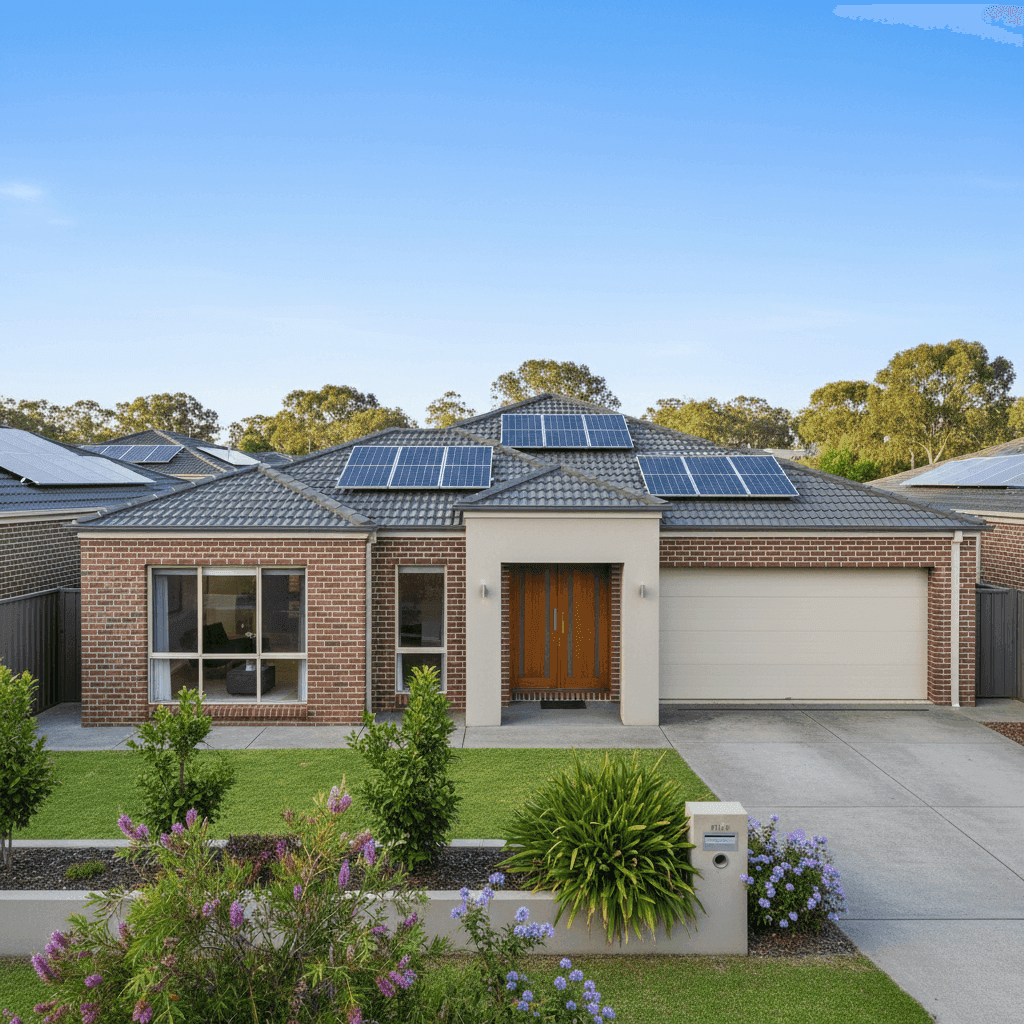
Tea Gardens is a peaceful coastal township on the Myall River in the Port Stephens region of New South Wales — popular with retirees, holiday makers, and families seeking a quieter pace of life. But living close to the water and bushland comes with its own insurance considerations. This article breaks down a real home and contents insurance quote for a four-bedroom, free-standing brick veneer home in Tea Gardens (postcode 2324), helping you understand whether the price stacks up — and what you can do to get better value.
---
Is This Quote Fair?
The quote in question sits at $5,491 per year (or $527/month) for combined home and contents cover, with a building sum insured of $1,031,000 and contents valued at $110,000. The building excess is $3,000 and the contents excess is $1,000.
Our pricing engine has rated this quote as FAIR — Around Average, which means it's broadly in line with what other homeowners in similar circumstances are paying, without being a standout bargain or an obvious overpay.
To put that in perspective:
- The suburb average for Tea Gardens is $4,017/yr, and the median sits at $2,873/yr
- The NSW state average is $3,801/yr, with a median of $3,410/yr
- The national average across Australia is $2,965/yr, with a median of $2,716/yr
At $5,491/yr, this quote is above all three averages — but it's worth noting that the suburb's 75th percentile sits at $6,684/yr, meaning a meaningful portion of Tea Gardens homeowners are paying even more. The higher building sum insured ($1,031,000) is a significant driver here; larger insured values naturally attract higher premiums.
---
How Tea Gardens Compares
Based on 73 quotes collected for Tea Gardens (NSW 2324), the pricing landscape in this suburb is notably spread out — the gap between the 25th percentile ($1,498/yr) and the 75th percentile ($6,684/yr) is substantial. This wide range reflects the diversity of properties in the area, from modest holiday cottages to larger family homes with higher rebuild costs.
Compared to NSW as a whole, Tea Gardens sits slightly above the state average. This is consistent with coastal and semi-rural areas, which often attract slightly higher premiums due to environmental risk factors, longer emergency service response times, and the cost of transporting tradespeople and materials for repairs.
When measured against national benchmarks, the quote is noticeably higher than the Australian median of $2,716/yr — though again, the higher sum insured and the coastal location both contribute to this gap.
One figure worth flagging: the LGA average for Maitland is $13,875/yr, which is dramatically higher than the Tea Gardens suburb average. This likely reflects a small number of very high-value or high-risk properties skewing the LGA figure, and shouldn't be used as a direct comparison for a standard residential home in Tea Gardens.
---
Property Features That Affect Your Premium
Several characteristics of this property have a meaningful influence on the premium:
Brick Veneer Walls & Tiled Roof Brick veneer construction with a tiled roof is generally well-regarded by insurers. Brick veneer offers solid fire resistance and durability, while tiles are considered a low-maintenance, long-lasting roofing material. Together, these features typically attract more competitive premiums than timber-framed or metal-clad alternatives.
Slab Foundation A concrete slab foundation is standard for homes built in the 2010s and is generally viewed favourably by insurers — it's resistant to termite damage and less susceptible to subsidence in stable soil conditions.
Built in 2012 A construction year of 2012 means this home is relatively modern, built to post-2011 building codes that incorporated improved cyclone, flood, and fire resistance standards (particularly relevant after the 2011 Queensland floods prompted national building code reviews). Newer homes tend to attract lower premiums than older stock.
Solar Panels The presence of solar panels adds both value and complexity to a home insurance policy. Panels need to be specifically covered under the building sum insured, and their replacement cost should be factored into that figure. It's worth confirming with your insurer that solar panels — including inverters and mounting hardware — are explicitly included in your policy.
Ducted Climate Control Ducted air conditioning is a significant fixed asset and adds to the overall rebuild cost of the home. This is appropriately reflected in a higher building sum insured, which in turn influences the premium.
No Pool, Standard Fittings The absence of a pool removes a common liability risk factor, and standard-quality fittings mean the home doesn't attract the premium uplift associated with high-end finishes. Both factors help keep the quote from climbing higher.
Building Size: 244 sqm At 244 square metres, this is a generously sized family home. Rebuild costs scale with floor area, so a larger home will always carry a higher sum insured — and a higher premium — than a smaller dwelling on the same street.
---
Tips for Homeowners in Tea Gardens
1. Review your building sum insured annually Construction costs have risen sharply across regional NSW in recent years. Make sure your sum insured reflects current rebuild costs — not the purchase price or the market value of the land. Underinsurance is one of the most common and costly mistakes homeowners make. Tools like the Cordell Sum Sure calculator can help you estimate an appropriate figure.
2. Check that your solar panels are explicitly covered Not all insurers automatically include solar panel systems in their standard building cover. Ask your insurer directly whether panels, inverters, and mounting systems are included — and whether accidental damage to the panels (such as hail impact) is covered under your policy.
3. Consider a higher excess to reduce your premium With a building excess of $3,000, there may be room to adjust your excess structure. Increasing your excess can meaningfully reduce your annual premium — just make sure you could comfortably cover that amount out of pocket if you needed to make a claim.
4. Compare quotes before renewal Loyalty doesn't always pay in home insurance. Insurers often reserve their best rates for new customers, meaning long-term policyholders can end up paying a "loyalty tax." Shopping around at renewal — even just comparing two or three quotes — can surface significant savings without compromising your level of cover.
---
Compare Your Options with CoverClub
Whether you're reviewing an existing policy or insuring a property for the first time, it pays to see what the market has to offer. CoverClub makes it easy to compare home and contents insurance quotes across a range of Australian insurers — all in one place. Enter your address and get started today to see how your current premium stacks up.