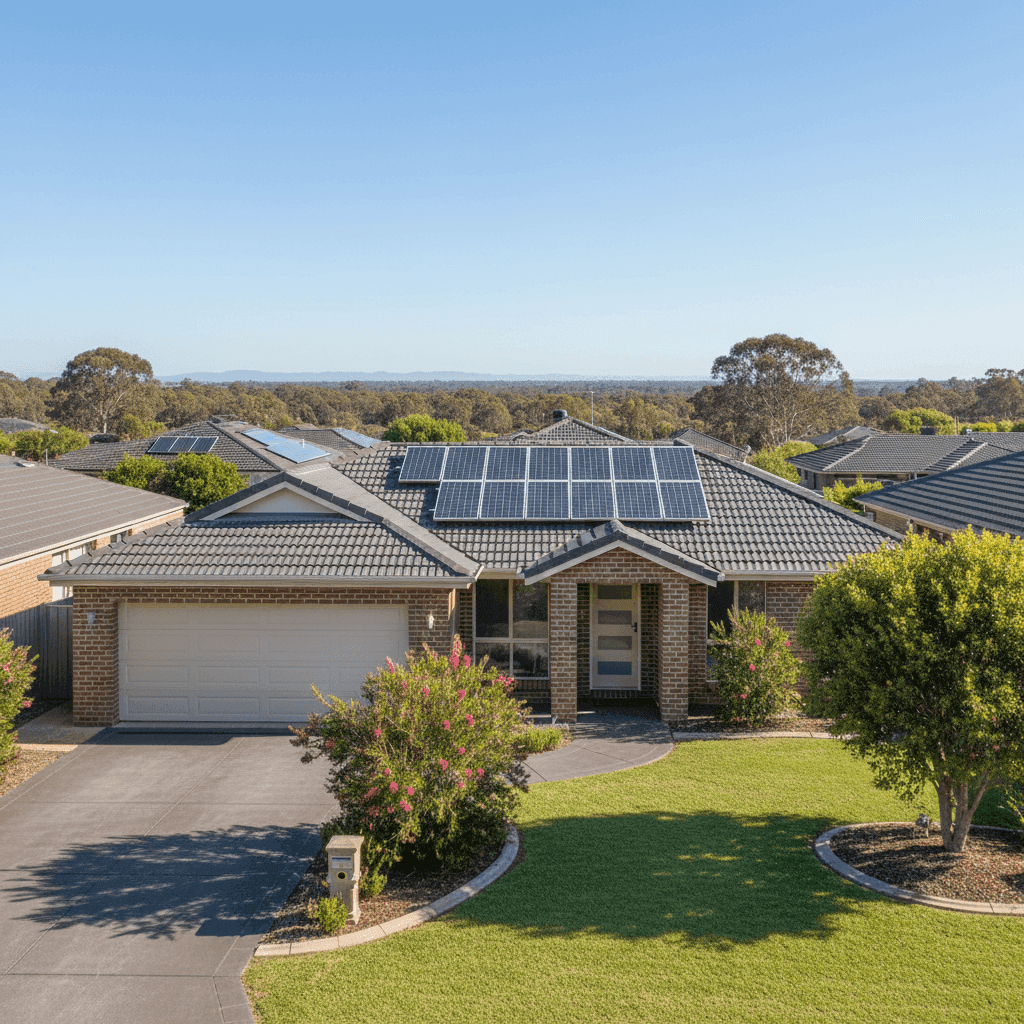
Tea Gardens is a relaxed coastal township on the Myall River in the Mid-Coast region of New South Wales — popular with retirees, holiday makers, and families seeking a quieter pace of life. It's also a suburb where home insurance premiums can vary enormously, making it all the more important to understand what you're actually paying for. This article breaks down a real home and contents insurance quote for a four-bedroom, two-bathroom free standing home in Tea Gardens (postcode 2324), and puts the numbers in context so you can judge whether your own policy is working hard enough for you.
---
Is This Quote Fair?
The short answer: yes — and then some. This quote comes in at $1,146 per year (or $106 per month) for combined home and contents cover, with a building sum insured of $703,000 and contents valued at $30,000. CoverClub's pricing engine rates this as CHEAP — below average for the area.
To put that in perspective, the suburb average premium in Tea Gardens sits at $4,017 per year, and the median is $2,873 per year. Even the 25th percentile — meaning the cheapest quarter of quotes collected — comes in at $1,498 per year. This quote lands well below that threshold, meaning it's cheaper than at least 75% of quotes we've seen for comparable properties in the same postcode.
That's a meaningful saving. At the suburb average, a homeowner in Tea Gardens would be paying roughly $2,871 more per year than the premium in this quote. Over a decade, that's a difference of nearly $29,000 — money that could go toward renovations, savings, or simply enjoying life on the Myall River.
Of course, premiums vary based on the specific insurer, the level of cover, excess choices, and individual property risk factors — so it's always worth reading the Product Disclosure Statement carefully to ensure the policy actually covers what you need.
---
How Tea Gardens Compares
Tea Gardens sits in the Maitland LGA, where the average home insurance premium is $4,142 per year — slightly above both the suburb average and the NSW state average of $3,801 per year. Across New South Wales, the median premium is $3,410 per year, and nationally the median sits at $2,716 per year.
Here's a quick snapshot of how this quote stacks up:
| Benchmark | Annual Premium |
|---|---|
| This Quote | $1,146 |
| Tea Gardens Suburb Average | $4,017 |
| Tea Gardens Suburb Median | $2,873 |
| Tea Gardens 25th Percentile | $1,498 |
| Maitland LGA Average | $4,142 |
| NSW State Average | $3,801 |
| NSW State Median | $3,410 |
| National Average | $2,965 |
| National Median | $2,716 |
You can explore the full pricing data for this postcode on our Tea Gardens suburb stats page, compare it against the NSW state overview, or see where it sits on the national insurance landscape.
The wide spread of premiums in Tea Gardens — from $1,498 at the 25th percentile to $6,684 at the 75th percentile — reflects just how much insurers can differ in their risk assessments for the same suburb. That $5,186 gap between the cheapest and most expensive quartiles is a strong argument for shopping around rather than auto-renewing with your current insurer.
---
Property Features That Affect Your Premium
Several characteristics of this particular property are likely contributing to its competitive premium. Let's unpack the key ones.
Brick Veneer Walls Brick veneer is one of the most common external wall materials in Australian homes built from the 1980s onward, and insurers generally view it favourably. It offers solid fire resistance and durability, which can translate into lower rebuild risk compared to timber-framed or clad exteriors.
Tiled Roof A tiled roof is similarly well-regarded by underwriters. Concrete or terracotta tiles are long-lasting and perform well in most weather conditions. They're less susceptible to storm damage than some alternatives, which is a relevant consideration for a coastal NSW property.
Slab Foundation A concrete slab foundation is considered low-risk from an insurer's perspective. It's stable, resistant to subsidence, and doesn't carry the moisture-related concerns sometimes associated with raised timber stumps or older pier-and-beam foundations.
Construction Year: 2002 A home built in 2002 benefits from being constructed under more modern building codes than older dwellings, with improved structural standards and fire safety requirements. It's also young enough that major components like roofing and plumbing are unlikely to be at end-of-life — another factor that can keep premiums down.
Solar Panels This property has solar panels, which are worth noting from an insurance perspective. Most standard home and contents policies do cover rooftop solar systems as part of the building, but it's worth confirming this with your insurer. Some policies have specific sub-limits or exclusions for solar equipment, so it pays to check the fine print.
No Pool, No Cyclone Risk Zone The absence of a swimming pool removes a liability and maintenance risk that some insurers price into their premiums. Tea Gardens is also not classified as a cyclone risk area, which keeps wind-related loading off the premium — a significant factor in parts of Queensland and northern WA.
Standard Fittings With standard-quality fittings throughout, the cost to rebuild or replace internal fixtures is more predictable and lower than for a home with premium or bespoke finishes. This is reflected in the building sum insured and helps keep the overall premium in check.
---
Tips for Homeowners in Tea Gardens
Whether you're reviewing your current policy or shopping for the first time, here are four practical steps to make sure you're getting the best value.
- Don't over-insure — but don't under-insure either. The building sum insured here is $703,000, which should reflect the full cost to rebuild the home from scratch (not its market value). Use a building cost calculator or speak to a quantity surveyor to make sure your sum insured is accurate. Under-insurance is a common and costly mistake.
- Review your excess settings. This quote carries a $3,000 building excess and a $1,000 contents excess. Opting for a higher excess is one of the most reliable ways to reduce your annual premium — but make sure you could comfortably cover that amount if you needed to make a claim.
- Check your solar panel coverage. If your policy doesn't explicitly list solar panels as a covered item, ask your insurer to clarify. You want to know whether they're covered for storm damage, accidental breakage, and electrical fault — and whether there's a sub-limit that might leave you short.
- Shop around at renewal time. The wide premium range in Tea Gardens (from under $1,500 to over $6,600) shows that insurers price this suburb very differently. Don't assume your renewal quote is competitive — compare it against the market every year.
---
Compare Your Home Insurance Quote Today
Whether you're a long-time Tea Gardens local or a recent arrival, it's worth knowing exactly how your home insurance premium stacks up. CoverClub makes it easy to compare quotes from multiple insurers in minutes — no jargon, no pressure, just clear pricing data to help you make an informed decision.
Get a home insurance quote now and see how your premium compares to your neighbours'.