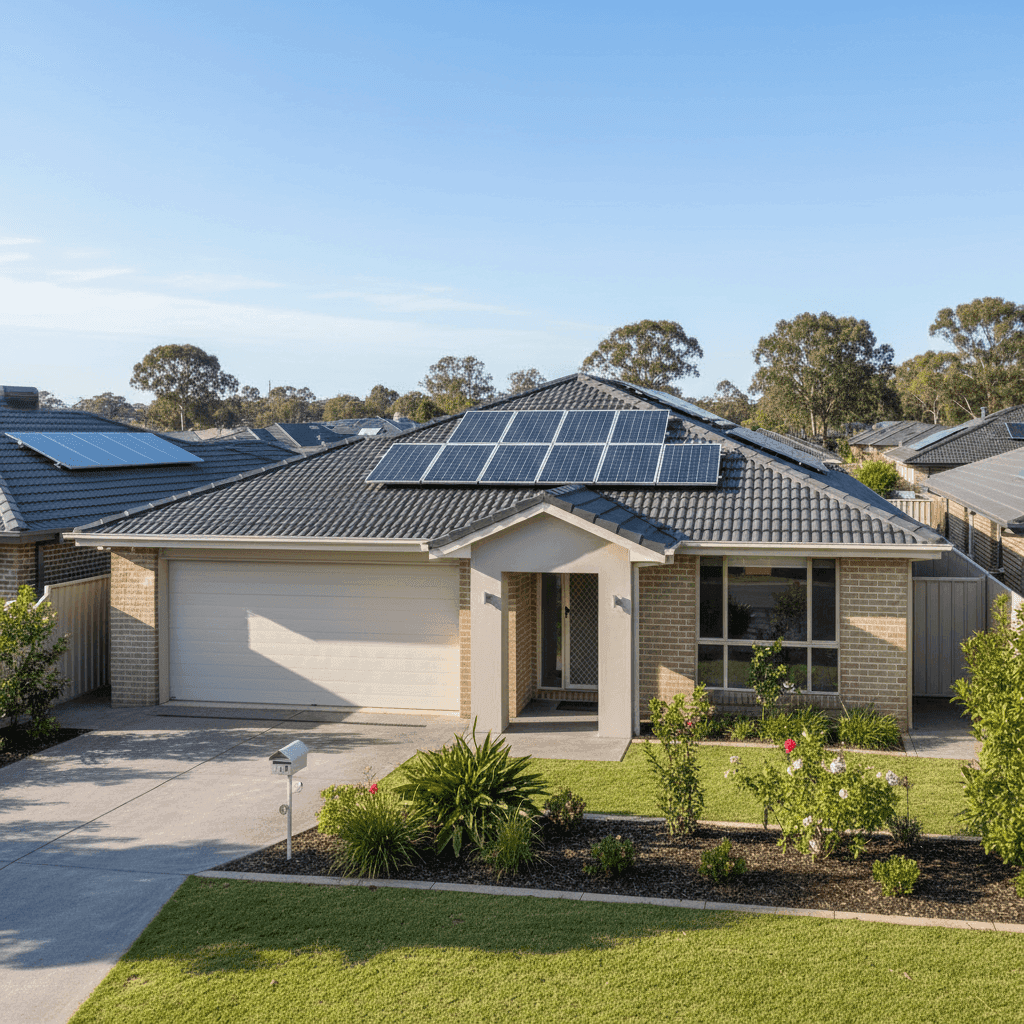
Tea Gardens is a relaxed coastal township on the Myall River in the Mid-Coast region of New South Wales — a popular destination for retirees, holiday-home owners, and families seeking a quieter pace of life. But living near the water comes with its own insurance considerations, and understanding what you should be paying for home and contents cover is just as important as finding the right policy. This article breaks down a real quote for a four-bedroom, two-bathroom free-standing home in Tea Gardens (postcode 2324), built in 2015 with brick veneer walls, a tiled roof, and a slab foundation — and puts that number in context against local, state, and national benchmarks.
---
Is This Quote Fair?
The annual premium for this property came in at $2,248 per year (or $220 per month), covering both building ($695,000 sum insured) and contents ($70,000). CoverClub's pricing engine has rated this quote as Fair — Around Average.
That rating holds up well under scrutiny. The suburb average for Tea Gardens sits at $4,017 per year, meaning this quote comes in 44% below the local average. Even measured against the suburb median of $2,873 per year, this premium is noticeably cheaper. In other words, more than half of comparable quotes in the area cost more.
It's worth noting that the building excess is set at $3,000 and the contents excess at $1,000. Higher excesses are one of the most common levers insurers use to reduce premiums — so part of the reason this quote looks competitive is that the policyholder is accepting more out-of-pocket risk in the event of a claim. That's not necessarily a bad trade-off, but it's something to weigh carefully based on your financial position.
---
How Tea Gardens Compares
Zooming out to the broader market paints an interesting picture. You can explore the full data on the Tea Gardens suburb insurance stats page, but here's a quick summary:
| Benchmark | Annual Premium |
|---|---|
| This quote | $2,248 |
| Tea Gardens suburb average | $4,017 |
| Tea Gardens suburb median | $2,873 |
| Tea Gardens 25th percentile | $1,498 |
| Tea Gardens 75th percentile | $6,684 |
| Maitland LGA average | $4,142 |
| NSW state average | $3,801 |
| NSW state median | $3,410 |
| National average | $2,965 |
| National median | $2,716 |
A few things stand out here. First, the spread of premiums in Tea Gardens is remarkably wide — from $1,498 at the 25th percentile all the way to $6,684 at the 75th percentile. That's a gap of more than $5,000, which reflects just how differently insurers assess risk in this area. Coastal proximity, flood mapping, and bushfire overlays can all cause individual premiums to vary dramatically even within the same postcode.
Second, the NSW state average of $3,801 is notably higher than the national average of $2,965 — a gap of around $836. New South Wales homeowners consistently face higher premiums than the national norm, driven by a combination of flood-prone river valleys, storm exposure along the coast, and elevated rebuild costs in regional areas.
At $2,248, this quote sits below both the NSW and national averages, which is a solid outcome for a four-bedroom home with a substantial building sum insured of $695,000.
---
Property Features That Affect Your Premium
Several characteristics of this property work in the homeowner's favour from an insurance pricing perspective:
Brick veneer construction is generally viewed favourably by insurers. While not as robust as full-brick, brick veneer offers good fire resistance and structural integrity compared to timber-framed or weatherboard homes, which can translate to lower premiums.
Tiled roof is another positive signal. Tiles are durable, fire-resistant, and tend to perform well in hail events compared to Colorbond or corrugated iron — though they can be more expensive to repair if cracked. Overall, insurers tend to price tiled roofs competitively.
Slab foundation is standard for homes of this era and construction type, and it presents no unusual risk factors. Combined with tile flooring throughout, this property has minimal exposure to the kind of water damage that can affect homes with timber subfloors or suspended floors.
Built in 2015, the home benefits from relatively modern building standards. Newer homes are generally more energy-efficient and built to more rigorous cyclone, wind, and fire codes, all of which can reduce claims risk in insurers' eyes.
Solar panels are worth flagging. While they don't dramatically inflate premiums, they do add to the replacement cost of a property and can complicate roof claims. It's important to confirm with your insurer that solar panels are explicitly included in your building sum insured — some policies treat them as standard inclusions, while others may require separate notation.
The absence of a swimming pool removes one liability risk that can push premiums higher, particularly for policies with personal liability cover.
---
Tips for Homeowners in Tea Gardens
1. Review your building sum insured regularly Construction costs have risen sharply across regional NSW in recent years. A sum insured of $695,000 for a 214 sqm home works out to roughly $3,248 per square metre — which is within a reasonable range, but worth validating against current local builder rates. Being underinsured at claim time can leave you significantly out of pocket.
2. Confirm your solar panels are covered As noted above, solar systems are a meaningful asset. Check your policy wording to ensure your panels are included in the building definition and that the replacement value is factored into your sum insured. If you've added panels since the policy was written, notify your insurer.
3. Understand your flood and storm risk Tea Gardens sits on the Myall River, and parts of the postcode carry flood risk. Check whether your policy includes flood cover (not just storm or rainwater damage — these are legally distinct definitions in Australia). The Tea Gardens suburb stats page can help you understand how local risk factors are influencing premiums in the area.
4. Don't set-and-forget your excess The $3,000 building excess on this policy is on the higher side. While it helps keep the premium down, make sure you have that amount readily accessible. If your financial situation changes, it may be worth adjusting your excess at renewal — even a modest reduction can provide meaningful peace of mind.
---
Compare Home Insurance Quotes in Tea Gardens
Whether you're renewing an existing policy or shopping for the first time, it pays to see what the market has to offer. CoverClub makes it easy to compare home and contents quotes from multiple insurers in one place — so you can be confident you're getting a fair deal. Get a quote now at CoverClub and see how your premium stacks up against the Tea Gardens market.