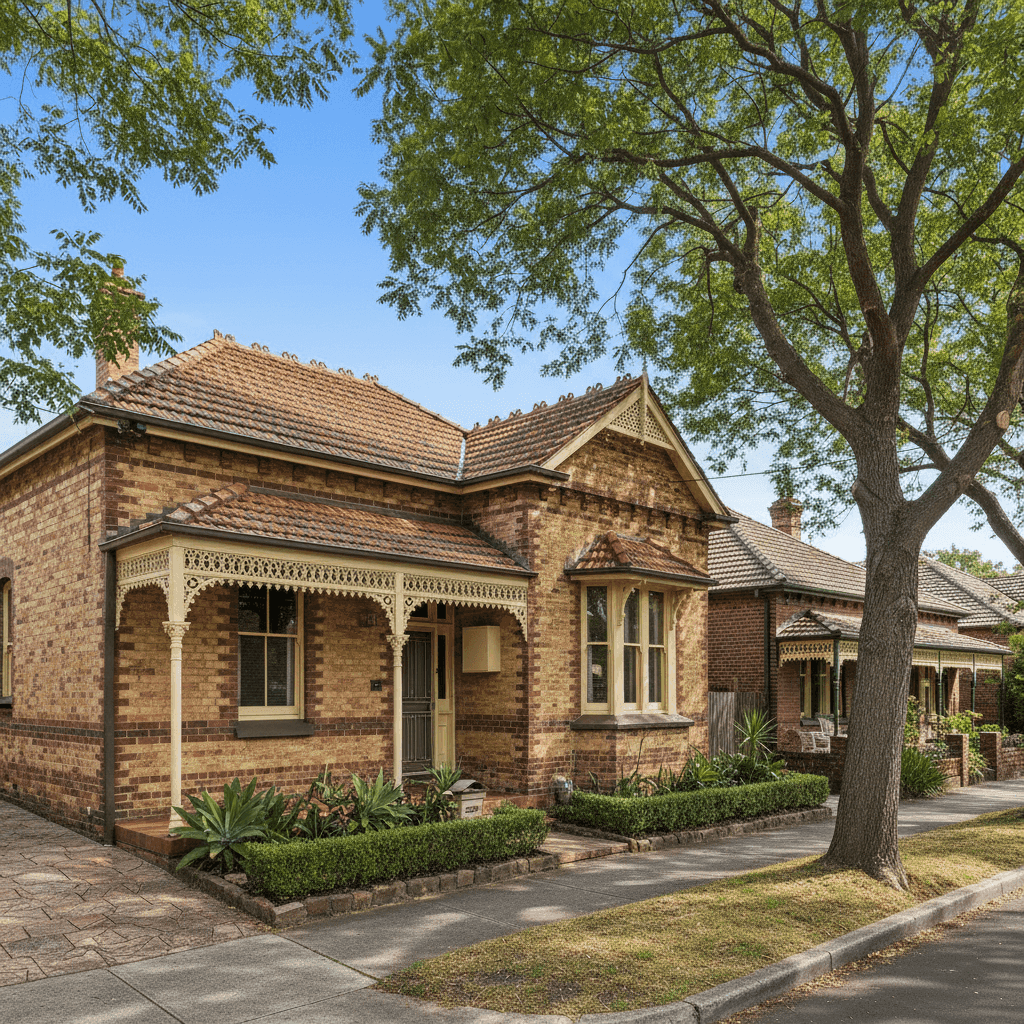
If you own a free standing home in Tempe, NSW 2044, you've probably wondered whether you're paying a fair price for building insurance — or whether your insurer is quietly charging you more than they should. This article breaks down a real building-only insurance quote for a three-bedroom, double brick home in Tempe, compares it against suburb, state, and national benchmarks, and offers practical guidance for homeowners in the area.
---
Is This Quote Fair?
The quote in question comes in at $1,207 per year (or $121/month) for building-only cover, with a $3,000 building excess and a sum insured of $660,000.
Our price rating for this quote is EXPENSIVE — above average.
To put that in context: the average building insurance premium for comparable homes in Tempe sits at just $753 per year, with a median of $714. That means this quote is roughly 60% higher than the suburb average — a significant gap that's worth scrutinising before accepting.
That said, several property-specific factors (which we'll explore below) can legitimately push a premium above the local norm. The key question is whether those factors fully account for the difference, or whether shopping around might uncover a more competitive price.
---
How Tempe Compares
Understanding where Tempe sits in the broader insurance landscape helps put this quote in perspective.
| Benchmark | Average Premium | Median Premium |
|---|---|---|
| Tempe (NSW 2044) | $753/yr | $714/yr |
| Sydney LGA | $1,975/yr | — |
| NSW | $3,801/yr | $3,410/yr |
| National | $2,965/yr | $2,716/yr |
A few things stand out here. First, Tempe is a remarkably affordable suburb for home insurance by both state and national standards — the NSW average of $3,801 is more than five times the local suburb average. This reflects the fact that inner-west Sydney suburbs like Tempe generally face lower catastrophe risk (no cyclones, lower flood exposure in many pockets) compared to regional and coastal NSW communities.
Second, even though this particular quote is above the Tempe average, it still sits well below the Sydney LGA average of $1,975 and dramatically below the NSW average. So while the quote is expensive for Tempe, it wouldn't raise eyebrows in many other parts of the state.
You can explore more local data on the Tempe insurance stats page, compare it against NSW-wide figures, or see how it stacks up against national benchmarks.
> Note: The Tempe suburb sample in this dataset is based on 5 quotes, so averages should be treated as indicative rather than definitive. A larger sample may shift these figures.
---
Property Features That Affect Your Premium
Every insurer weighs up a combination of property characteristics when calculating your premium. Here's how the features of this particular home are likely influencing the price.
Age of Construction: 1898
This is arguably the most significant premium driver for this property. Built in 1898, this home is over 125 years old — placing it firmly in the heritage era of Sydney's inner west. Older homes are more expensive to insure for several reasons: materials like double brick and timber can be harder and costlier to source and match during repairs, heritage or period detailing may require specialist tradespeople, and ageing infrastructure (plumbing, wiring, roofing substrates) carries a higher risk of sudden failure. Insurers price this risk accordingly.
Double Brick Construction
Double brick is a durable and highly regarded wall construction type — it's resistant to fire, pests, and general wear. However, it can actually increase rebuild costs compared to cavity brick or timber frame, because double brick is labour-intensive and material-heavy to reconstruct. This contributes to a higher sum insured and, in turn, a higher premium.
Stump Foundation
Homes on stumps (also known as pier foundations) are common in older Sydney properties and throughout much of inner-west NSW. While stumps allow for good underfloor ventilation, they can be susceptible to movement, subsidence, and pest damage over time — all of which can lead to structural claims. Some insurers apply a loading for stump foundations, particularly on older homes.
Tiled Roof
A tiled roof is generally viewed favourably by insurers — tiles are durable, fire-resistant, and long-lasting when maintained. This is unlikely to be a negative premium driver, though very old tile roofs may attract some scrutiny.
Timber and Laminate Flooring
Timber floors are a feature of many period homes and can be costly to repair or replace — particularly original hardwood boards that are no longer in production. This can subtly influence the sum insured calculation.
Sum Insured: $660,000
The building is insured for $660,000, which is a reasonable figure for a 153 sqm double brick home of this age in Sydney. Underinsurance is a serious risk with heritage properties — replacement costs can far exceed what homeowners expect — so it's important this figure reflects a genuine rebuild estimate rather than a conservative guess.
---
Tips for Homeowners in Tempe
1. Get Multiple Quotes — Especially for Older Homes
Insurers assess heritage and pre-Federation properties very differently. One insurer may apply a heavy loading for a 1898 double brick home on stumps, while another may view the construction quality more favourably. With a 60% gap between this quote and the suburb average, there's a strong case for comparing at least three to four quotes. Start comparing now at CoverClub.
2. Review Your Sum Insured Carefully
With a home of this age and construction type, getting the sum insured right is critical. Too low, and you risk being underinsured in the event of a total loss. Too high, and you're paying unnecessary premium. Consider commissioning a professional building replacement cost estimate — it's a worthwhile investment for a property of this character.
3. Ask About Your Excess Options
This quote carries a $3,000 building excess. Increasing your excess is one of the most straightforward ways to reduce your annual premium — but make sure the excess is genuinely affordable if you ever need to claim. Conversely, if cash flow is a concern, some insurers offer lower excess options at a slightly higher premium.
4. Maintain Your Home Proactively
Older homes on stumps with timber floors benefit enormously from regular maintenance. Keeping gutters clear, monitoring stump condition, checking roof tiles after storms, and ensuring plumbing is up to date can reduce your claims risk — and may help you negotiate better renewal terms over time. Some insurers also offer discounts for homes with security systems or smoke alarms, so it's worth asking.
---
Ready to Find a Better Rate?
Whether this quote is the right fit depends on your individual circumstances — but if you're paying above the local average, it's always worth checking what else is out there. CoverClub makes it easy to compare home insurance quotes across Australia's leading insurers, so you can make a confident, informed decision.