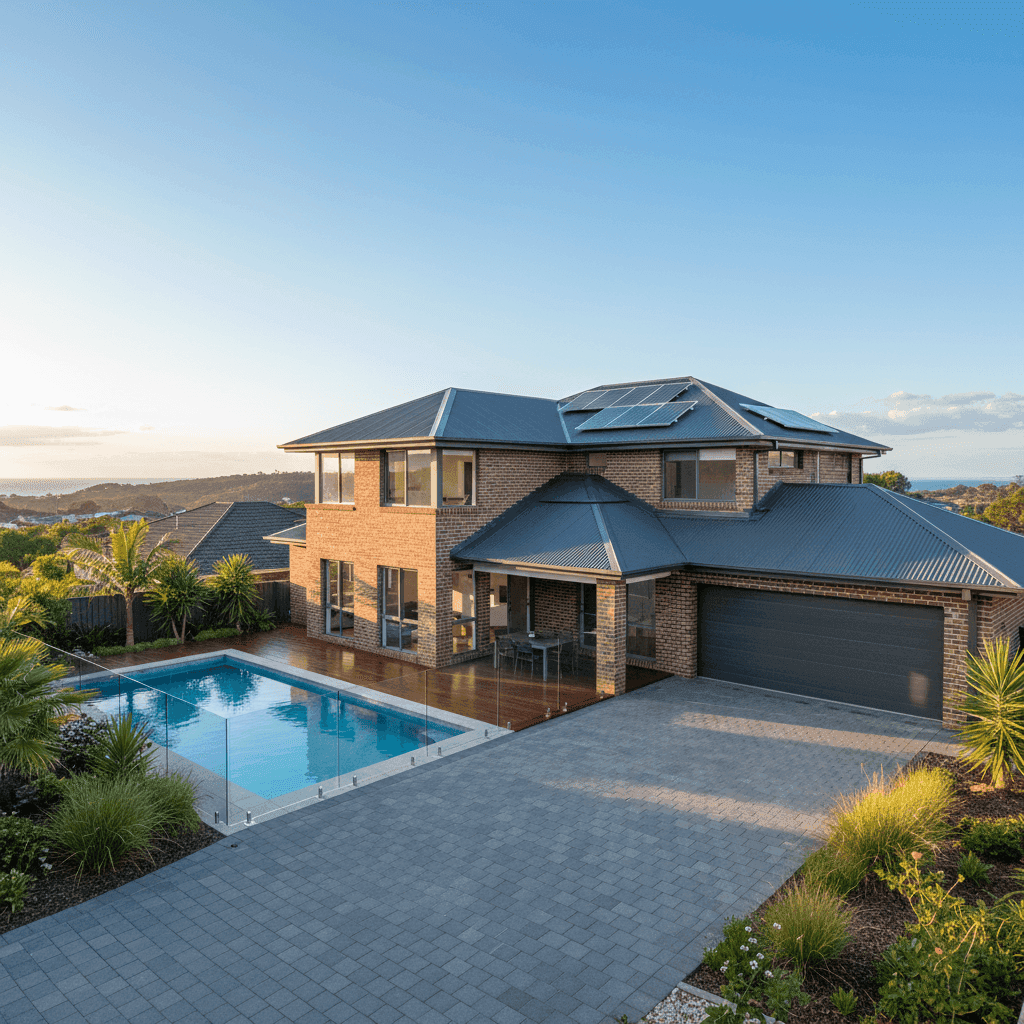
Terrigal is one of the Central Coast's most sought-after addresses — a coastal suburb with a relaxed lifestyle, strong property values, and homes that reflect genuine investment. For owners of larger, well-appointed homes in the area, home and contents insurance is a significant line item, and understanding whether you're getting fair value is worth the effort. This article breaks down a real insurance quote for a six-bedroom, four-bathroom free-standing home in Terrigal (NSW 2260), comparing it against suburb, state, and national benchmarks to help you make a more informed decision.
---
Is This Quote Fair?
The annual premium on this quote comes in at $5,980 per year (or $573/month), covering both building and contents. Our price rating for this quote is Expensive — Above Average.
To put that in context: the average home and contents premium across Terrigal sits at around $3,822 per year, with a median of $3,753. This quote is sitting roughly 56% above the suburb average — a meaningful gap that warrants a closer look.
That said, "expensive" doesn't automatically mean "wrong." This is a large, high-value property with a building sum insured of $1,680,000 and contents valued at $209,000. The total insured value of nearly $1.9 million is substantially higher than a typical Terrigal home, and insurers price risk accordingly. A higher replacement cost means a higher potential payout — so some premium uplift is entirely expected.
The more useful question is whether the premium is proportionate to the risk and coverage. Based on the data, it's on the expensive side, but not wildly out of step for a home of this size and specification. Homeowners in this bracket should still shop around — even a 10–15% saving would put hundreds of dollars back in your pocket each year.
---
How Terrigal Compares
Understanding where Terrigal sits in the broader insurance landscape helps frame whether any individual quote is reasonable. Here's how the numbers stack up:
| Benchmark | Average Premium | Median Premium |
|---|---|---|
| Terrigal (NSW 2260) | $3,822/yr | $3,753/yr |
| Central Coast LGA (NSW) | $8,387/yr | — |
| New South Wales | $9,528/yr | $3,770/yr |
| National | $5,347/yr | $2,764/yr |
A few things stand out here. The NSW average of $9,528 is dramatically higher than the NSW median of $3,770 — a classic sign that a small number of very high-value or high-risk properties are pulling the average upward. The same dynamic plays out at the national level, where the average ($5,347) is nearly double the median ($2,764).
For Terrigal specifically, the 25th percentile sits at $3,062 and the 75th percentile at $4,711 — meaning the quote in question, at $5,980, sits above the 75th percentile for the suburb. That's worth noting, though again, the significantly higher sum insured is the primary driver.
You can explore more localised data on the Terrigal insurance stats page, compare it against NSW-wide figures, or see how it measures up against national benchmarks.
---
Property Features That Affect Your Premium
Several characteristics of this property have a direct bearing on the premium. Here's what insurers are likely factoring in:
Size and Sum Insured
At 399 sqm, this is a large home by any measure. Six bedrooms and four bathrooms mean more fixtures, fittings, and floor area to rebuild — and the $1,680,000 building sum insured reflects that. A higher replacement cost is the single biggest driver of building premium.
Construction Type
The home features brick veneer external walls and a steel/Colorbond roof — a combination that's generally viewed favourably by insurers. Brick veneer offers solid fire and impact resistance, while Colorbond roofing is durable, low-maintenance, and performs well in coastal environments where salt air can degrade other materials. A concrete slab foundation is similarly well-regarded for stability and flood resilience.
Timber and Laminate Flooring
Timber and laminate flooring can be a double-edged sword from an insurance perspective. These materials tend to be more expensive to repair or replace than tiles, particularly in water damage events — something insurers account for when pricing contents and building cover.
Pool, Solar Panels, and Ducted Climate Control
The presence of a swimming pool, solar panel system, and ducted climate control all add to the insured value and complexity of the property. Pools introduce liability considerations and can be costly to repair or replace following storm or structural damage. Solar panels — particularly those mounted on the roof — represent a significant asset that needs to be factored into the building sum insured. Ducted systems are expensive to repair and often require specialist tradespeople.
Relatively New Build
Constructed in 2019, this is a relatively modern home. Newer builds tend to attract slightly lower premiums than older properties because they're built to current standards, have modern wiring and plumbing, and carry a lower risk of structural issues. This likely provides some offset against the premium-increasing factors listed above.
Coastal Location
Terrigal's coastal setting is a lifestyle drawcard, but it does introduce some risk factors — particularly around storm, wind, and coastal erosion. Insurers price coastal properties with this in mind, even in areas not classified as cyclone risk zones.
---
Tips for Homeowners in Terrigal
1. Review your sum insured regularly Building costs have risen sharply in recent years. If your home was last valued several years ago, your sum insured may no longer reflect the true cost of rebuilding — leaving you underinsured. Use a building cost calculator or speak to a quantity surveyor to ensure your coverage keeps pace with construction costs.
2. Shop around — especially at this premium level At nearly $6,000 per year, even a modest saving of 10–15% represents $600–$900 annually. Insurers price risk differently, and for a property with this profile, the spread of quotes can be significant. Use CoverClub to compare quotes and see what else is available in your area.
3. Check what's included in your contents cover With $209,000 in contents, it's worth reviewing your policy schedule carefully. High-value items like jewellery, artwork, and electronics may have sub-limits that leave you underprotected. Consider whether any items need to be listed separately for full cover.
4. Ask about discounts for home security and safety features Many insurers offer premium discounts for homes with monitored alarm systems, deadbolts, and other security measures. Given the size and value of this property, investing in a quality security system could pay for itself through reduced premiums over time.
---
Compare Your Options with CoverClub
Whether you're reviewing an existing policy or shopping for the first time, it pays to compare. CoverClub makes it easy to see how your quote stacks up against real data from your suburb and beyond. Get a home insurance quote today and find out if you're getting the right cover at the right price.