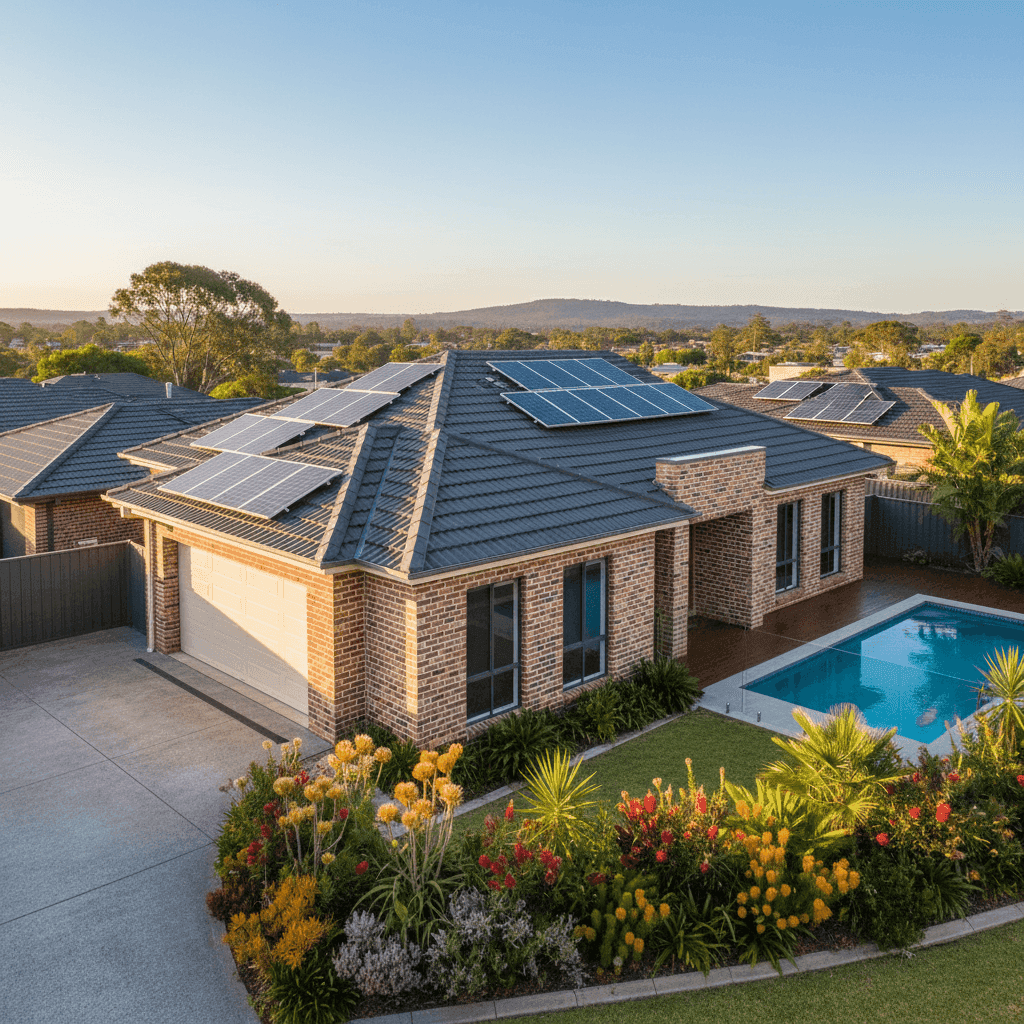
Terrigal is one of the Central Coast's most sought-after coastal suburbs — a beautiful place to live, but one that comes with its own set of insurance considerations. If you own a free-standing home here and you're trying to work out whether your premium is reasonable, you're not alone. This article breaks down a real home and contents insurance quote for a four-bedroom property in Terrigal NSW 2260, compares it against local, state and national benchmarks, and offers practical advice for getting the best value cover.
---
Is This Quote Fair?
The quote in question comes in at $4,336 per year (or $427/month) for combined home and contents insurance, covering a building sum insured of $804,000 and contents valued at $50,000. The building excess is $3,000 and the contents excess is $1,000.
Our price rating for this quote is FAIR — Around Average.
That assessment holds up when you look at the numbers in context. Based on 78 quotes collected for Terrigal (2260), the suburb average sits at $3,916/yr and the median at $3,630/yr. This quote lands above both of those figures, but comfortably within the suburb's interquartile range — the 25th percentile is $2,989/yr and the 75th percentile is $4,452/yr. In other words, roughly half of all Terrigal quotes fall between those two figures, and this one sits near the upper end of that band without exceeding it.
It's worth noting that a building sum insured of $804,000 is on the higher end for the area, which naturally pushes the premium upward. A lower rebuild estimate would likely bring the cost down meaningfully.
---
How Terrigal Compares
To put this quote in broader perspective, here's how Terrigal stacks up against state and national figures:
| Benchmark | Average Premium | Median Premium |
|---|---|---|
| Terrigal (2260) | $3,916/yr | $3,630/yr |
| Central Coast LGA | $4,203/yr | — |
| NSW | $3,801/yr | $3,410/yr |
| National | $2,965/yr | $2,716/yr |
A few things stand out here. First, Terrigal premiums are moderately above the NSW state average — about 3% higher on an average basis. Second, they're notably above the national average, which reflects the elevated risk profile of coastal NSW properties compared to many other parts of the country. Interestingly, the Central Coast LGA average ($4,203/yr) is actually higher than the Terrigal suburb average, suggesting that some neighbouring areas within the LGA carry even greater risk or higher rebuild costs.
Coastal proximity, storm exposure, and strong property values all contribute to Terrigal sitting above the national norm. This is a pattern seen across much of the NSW coastline.
---
Property Features That Affect Your Premium
Several characteristics of this particular property influence what insurers charge. Here's what's at play:
Brick veneer construction with a tiled roof Brick veneer walls are generally viewed favourably by insurers — they're more fire-resistant than timber-framed cladding and hold up reasonably well in storms. A tiled roof is similarly considered a standard, lower-risk roofing material compared to corrugated iron or older materials like fibro. Together, these features help keep the base premium from climbing too high.
Slab foundation A concrete slab foundation is common in homes built around 2000 and is generally considered structurally sound. It doesn't carry the same subsidence or moisture risks associated with older timber stumped foundations, which is a mild positive from an underwriting perspective.
Timber and laminate flooring While aesthetically appealing, timber and laminate floors can be more susceptible to water damage than tiles. Some insurers factor this into their contents or accidental damage pricing, particularly in areas with storm or flood exposure.
Swimming pool A pool adds liability considerations to the policy and can increase the overall insured value of the property. Homeowners should ensure their policy explicitly covers pool-related liability and that the pool structure itself is included in the building sum insured.
Solar panels Solar panels are now a standard feature on many Australian homes, but they do add to the replacement cost of the building. It's important to confirm that your sum insured accounts for the full replacement value of your solar system — a common oversight that can leave homeowners underinsured.
Ducted climate control Ducted air conditioning is a significant fixed asset. Like solar panels, it should be factored into your building sum insured to avoid a shortfall at claim time.
Built in 2000 At roughly 25 years old, this home is modern enough to avoid the elevated risks associated with older wiring or plumbing, but old enough that some components may be approaching the end of their serviceable life. Keeping up with maintenance is key to avoiding claim disputes.
---
Tips for Homeowners in Terrigal
1. Review your sum insured annually With building costs rising across NSW, the cost to rebuild a 235 sqm home with quality fittings, a pool, solar panels, and ducted air conditioning can shift significantly year to year. Use an independent building cost calculator or speak with a quantity surveyor to make sure your $804,000 sum insured still reflects current rebuild costs — being underinsured is a risk that only becomes apparent at the worst possible time.
2. Consider your excess levels carefully This quote carries a $3,000 building excess. A higher excess typically reduces your annual premium, but you need to be confident you can cover that amount out of pocket if something goes wrong. If cash flow is a concern, it may be worth comparing quotes with a lower excess to find the right balance.
3. Check your storm and water damage inclusions Terrigal's coastal position means storm damage is a genuine risk. Read your Product Disclosure Statement (PDS) carefully to understand exactly what's covered under storm, rainwater ingress, and escape of liquid — these definitions vary between insurers and can catch homeowners off guard.
4. Compare quotes before renewing Loyalty doesn't always pay in the insurance market. Insurers often offer better rates to new customers than they do to existing ones. Given that this quote sits above the suburb median, it's worth running a comparison at renewal time to see whether a comparable policy is available at a lower price.
---
Ready to Compare?
Whether you're buying, refinancing, or simply reviewing your existing cover, it pays to know what the market looks like. CoverClub makes it easy to compare home and contents insurance quotes for properties across Terrigal and the broader Central Coast. Get a quote today and see how your premium stacks up — you might be surprised at the difference a comparison can make.