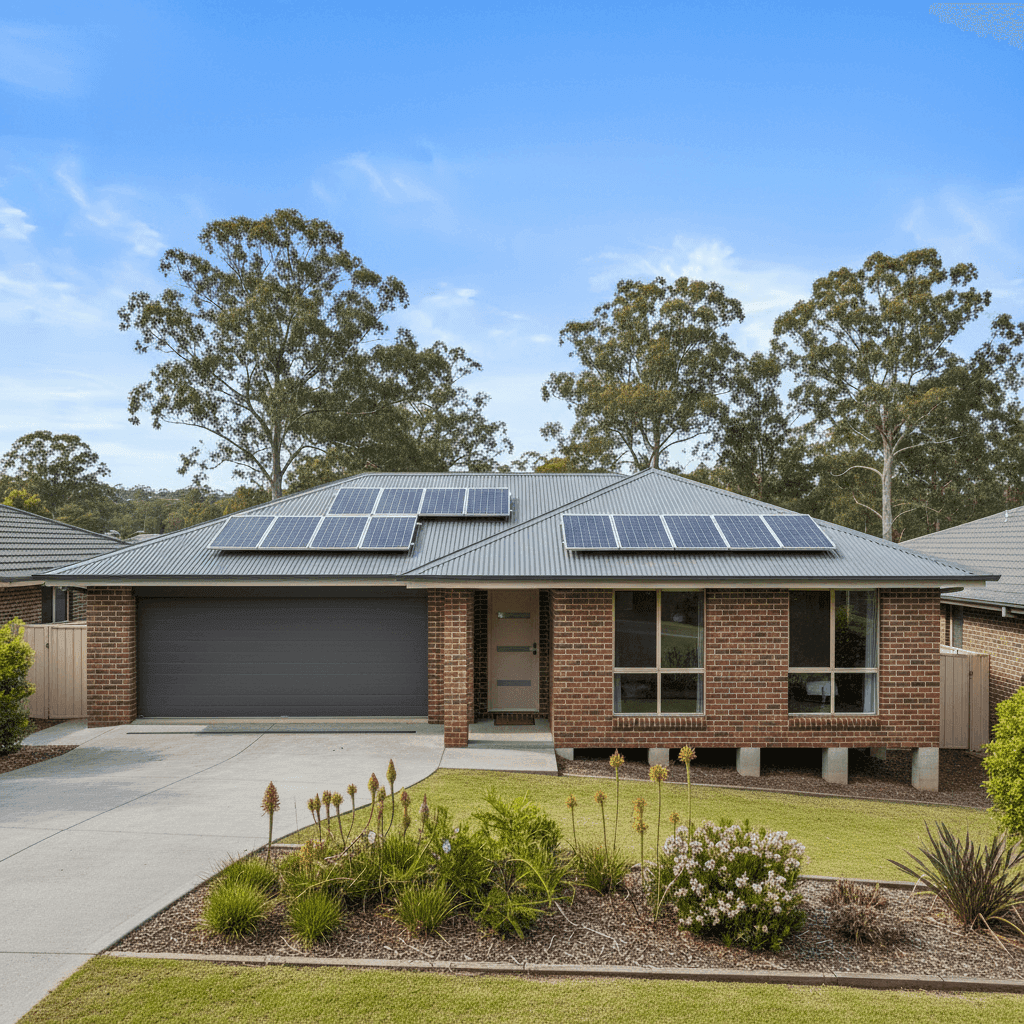
If you own a free standing home in The Gap, QLD 4061, you're probably curious about whether what you're paying for home insurance is reasonable — or whether you're leaving money on the table. This article breaks down a real home and contents insurance quote for a five-bedroom, two-bathroom brick veneer home in The Gap, and puts it into context against suburb, state, and national benchmarks.
---
Is This Quote Fair?
The quote in question comes in at $3,907 per year (or $374 per month) for combined home and contents cover, with a building sum insured of $721,000 and contents valued at $50,000. Both the building and contents excesses are set at $1,000.
Our analysis rates this quote as Fair — Around Average.
That assessment holds up when you look at the numbers. The suburb average for The Gap sits at $3,092/yr, and the median is $3,073/yr, so this quote is running roughly $800 above the local middle ground. However, it's worth noting that the 75th percentile for the suburb is $3,943/yr — meaning this quote is actually sitting just below the top quarter of premiums recorded in the area. For a larger home (214 sqm, five bedrooms) with a building sum insured of $721,000, that positioning makes sense.
In other words, this isn't a bargain, but it's not an outlier either. It reflects a property that's larger and more valuable than many others in the suburb sample, and the pricing appears proportionate.
---
How The Gap Compares
To understand what this quote really means, it helps to zoom out and look at the broader picture. You can explore the full data on the The Gap suburb stats page, the QLD state stats page, and the national stats page.
Here's how The Gap stacks up:
| Benchmark | Premium |
|---|---|
| This Quote | $3,907/yr |
| The Gap Suburb Average | $3,092/yr |
| The Gap Suburb Median | $3,073/yr |
| QLD State Average | $9,129/yr |
| QLD State Median | $3,903/yr |
| National Average | $5,347/yr |
| National Median | $2,764/yr |
| Brisbane LGA Average | $16,277/yr |
A few things stand out immediately. The QLD state average of $9,129/yr is dramatically higher than what residents of The Gap typically pay — and that's no accident. Queensland's insurance market is heavily skewed by high-risk coastal and cyclone-prone regions in North Queensland, which pull the average up significantly. The Gap, nestled in Brisbane's western suburbs, is not a cyclone risk area, which is a meaningful advantage.
The Brisbane LGA average of $16,277/yr looks alarming at first glance, but again, this reflects the enormous diversity of properties and risk profiles across Greater Brisbane — from flood-prone river suburbs to elevated, low-risk areas like The Gap. This quote at $3,907/yr is well below both the LGA and state averages, which is a positive sign for homeowners in this pocket of Brisbane.
Compared to the national average of $5,347/yr, this quote is also below the mark, though it sits above the national median of $2,764/yr — largely because the property itself is substantial in size and rebuild value.
---
Property Features That Affect Your Premium
Several characteristics of this property play a direct role in how the premium is calculated.
Brick veneer construction is generally viewed favourably by insurers. It offers solid fire resistance and structural durability compared to weatherboard or fibrous cement, which can translate to more competitive premiums.
Steel/Colorbond roofing is another plus. Colorbond is widely regarded as one of the most resilient roofing materials available in Australia — it handles heat, rain, and wind well, and is less susceptible to damage than terracotta tiles, which can crack or dislodge in storms.
Stump foundations with elevation under 1 metre is a characteristic worth paying attention to. Elevated homes on stumps can be more vulnerable to underfloor wind damage during severe weather events, though the sub-1m elevation here limits that exposure somewhat. This style of construction is common across Brisbane's older and mid-aged housing stock.
Timber and laminate flooring can increase contents and building replacement costs slightly compared to concrete slab flooring, as these materials require more specialised repair or replacement after a water or flood event.
Solar panels are present on this property. Many insurers now include solar panels under building cover, but it's worth confirming with your insurer exactly how panels are covered — particularly for storm damage, hail, or electrical faults.
The 2005 construction year places this home in a relatively modern bracket. Homes built after the early 2000s generally benefit from updated building codes introduced following major weather events in the 1990s, which can positively influence risk assessments.
With no pool and no ducted climate control, there are fewer ancillary risk factors for the insurer to price in, which helps keep the premium contained.
---
Tips for Homeowners in The Gap
1. Review your building sum insured regularly A sum insured of $721,000 for a 214 sqm home built in 2005 is substantial. Construction costs have risen sharply in recent years, so it's important to ensure your sum insured reflects current rebuild costs — not just the original purchase price. Underinsurance is a common and costly mistake. Tools like the Cordell Sum Sure calculator can help you estimate an appropriate figure.
2. Confirm how your solar panels are covered Solar panel systems can represent a significant portion of a home's value. Check whether your policy covers panels under building or contents, and whether damage from hail, storm, or electrical surges is included. Not all policies treat solar the same way.
3. Consider your excess carefully Both the building and contents excess on this policy are set at $1,000. Opting for a higher excess can reduce your annual premium, which may be worth exploring if you're unlikely to make small claims. Conversely, if you'd struggle to cover a $1,000 out-of-pocket cost at short notice, a lower excess might be more appropriate.
4. Compare quotes at renewal time Even a "fair" quote can often be improved with a bit of shopping around. Insurers price risk differently, and the same property can attract meaningfully different premiums across providers. Don't assume loyalty discounts outweigh the savings available elsewhere — they rarely do.
---
Compare Your Home Insurance Quote Today
Whether you're reviewing an existing policy or getting cover for the first time, it pays to see what else is out there. CoverClub makes it easy to compare home and contents insurance quotes for properties across The Gap and greater Brisbane. Get a quote today and find out whether you're getting the best deal available for your home.