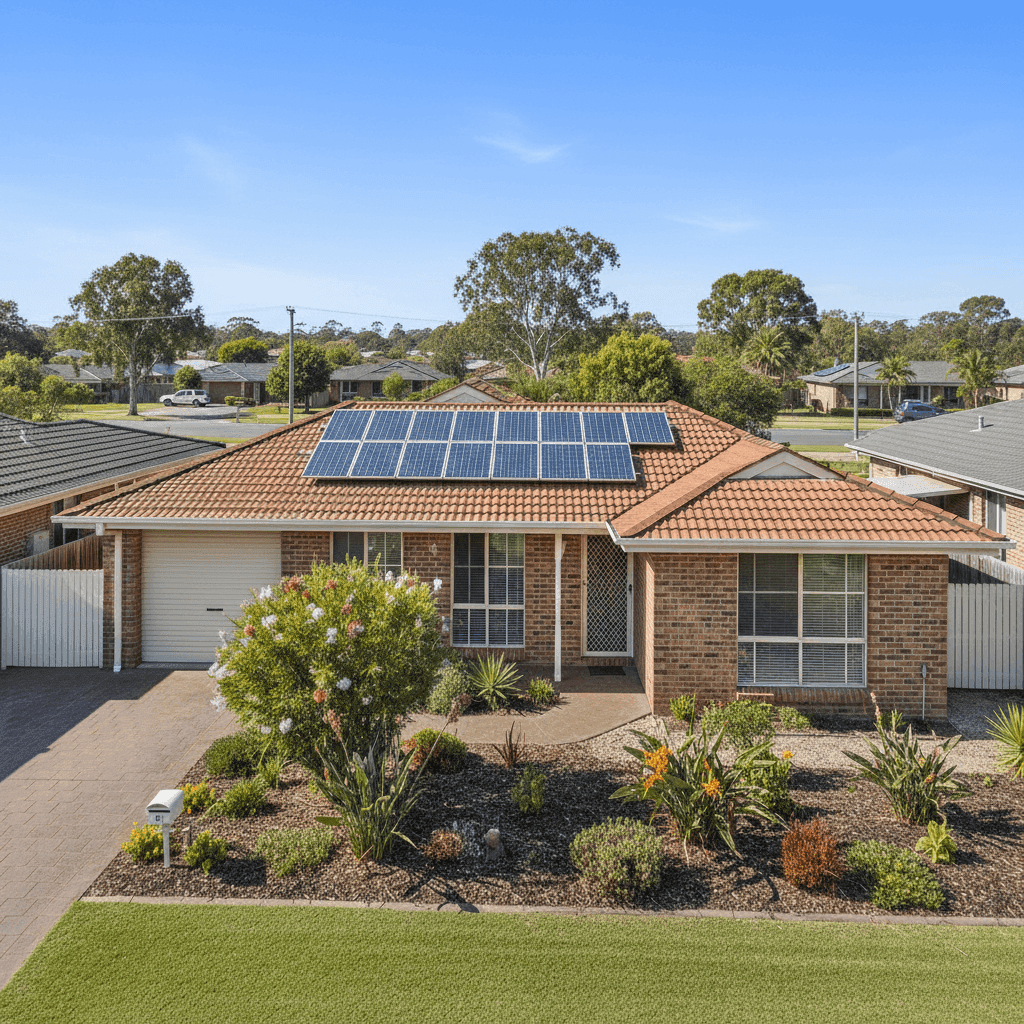
Thornlands is a quiet, established suburb on the Redland Coast in South East Queensland — a popular choice for families seeking a relaxed lifestyle within commuting distance of Brisbane. For owners of a free standing home in this area, understanding what you should be paying for home insurance is just as important as choosing the right policy. This article breaks down a real home and contents insurance quote for a 3-bedroom brick veneer home in Thornlands (postcode 4164) and puts it in context against local, state, and national data.
---
Is This Quote Fair?
The annual premium on this quote comes in at $860 per year (or roughly $80 per month), covering both building (sum insured: $460,000) and contents ($25,000). Based on our pricing data, this quote is rated CHEAP — below average for the area.
To put that in perspective: the average home and contents premium across Thornlands sits at $3,076 per year, with a median of $2,998. This quote is paying less than 28% of the suburb average — a remarkable saving that most homeowners in the area would envy.
Even at the 25th percentile (meaning 75% of Thornlands quotes are more expensive), the benchmark is $1,953 per year. This policy still comes in well under that figure, placing it firmly in the most competitive tier of quotes available locally.
So yes — by any reasonable measure, this is an excellent price for home and contents cover in Thornlands.
---
How Thornlands Compares
To fully appreciate this quote, it helps to zoom out and look at the broader picture. Here's how Thornlands stacks up against Queensland and the rest of Australia:
| Benchmark | Average Premium | Median Premium |
|---|---|---|
| Thornlands (suburb) | $3,076/yr | $2,998/yr |
| Redland LGA | $3,312/yr | — |
| Queensland (state) | $4,547/yr | $3,931/yr |
| National | $2,965/yr | $2,716/yr |
A few things stand out here. Queensland is one of the most expensive states in Australia for home insurance — its average premium of $4,547 is more than 53% higher than the national average of $2,965. This reflects the elevated natural hazard risk across much of the state, including flooding, severe storms, and cyclone exposure in northern regions.
Thornlands itself sits below the Queensland state average but slightly above the national average — which is broadly consistent with a suburban coastal area that carries moderate storm and flood risk but is not in a declared cyclone zone.
You can explore more suburb-level data on the Thornlands insurance stats page, compare it to the Queensland state overview, or see how it fits into the national picture.
---
Property Features That Affect Your Premium
Insurance premiums aren't calculated in a vacuum — every detail of a property influences the risk profile and, ultimately, the price. Here's how the features of this particular home play into the equation:
Brick Veneer Walls Brick veneer is generally viewed favourably by insurers. It offers solid fire resistance and structural durability compared to lightweight cladding materials, which can translate to lower rebuild risk and more competitive premiums.
Tiled Roof Concrete or terracotta tiles are a standard roofing choice in Queensland and are well-regarded for longevity. However, tiles can be more expensive to repair or replace after hail or storm damage than Colorbond metal roofing, so insurers factor this in when assessing risk.
Slab Foundation A concrete slab is a common and low-risk foundation type for homes built in South East Queensland. It's less susceptible to subsidence issues than stumped or suspended foundations, which can be a positive factor in premium calculations.
Construction Year: 1995 At around 30 years old, this home is mature but not aged. Homes from the mid-1990s generally comply with reasonable building standards, though insurers may note that some systems (electrical, plumbing) could be approaching the end of their typical service life.
Solar Panels The presence of solar panels adds modest replacement value to the property. Most home and contents policies cover rooftop solar as part of the building sum insured, so it's worth confirming the $460,000 building cover adequately accounts for panel replacement costs.
No Pool, No Ducted Climate Control The absence of a pool removes a liability and maintenance risk factor that can nudge premiums upward. Similarly, no ducted air conditioning system means fewer mechanical components that could fail or cause damage.
Standard Fittings Quality Standard fittings (as opposed to high-end or custom finishes) keep the estimated rebuild cost more straightforward and predictable, which generally supports more competitive pricing.
130 sqm Building Size At 130 square metres, this is a modest-sized home. Smaller floor areas typically mean lower rebuild costs, and the $460,000 sum insured reflects a reasonable per-square-metre rate for a brick veneer home in South East Queensland.
---
Tips for Homeowners in Thornlands
Whether you're reviewing an existing policy or shopping for new cover, here are some practical steps to make sure you're getting the best outcome:
1. Verify Your Building Sum Insured Regularly Construction costs in Queensland have risen significantly in recent years. The $460,000 sum insured on this policy may be appropriate today, but it's worth recalculating your estimated rebuild cost annually — particularly if you've made any renovations or additions. Underinsurance is one of the most common and costly mistakes homeowners make.
2. Confirm Solar Panel Coverage If your home has rooftop solar panels, check your policy wording carefully. Some insurers include panels automatically under building cover; others require a specific endorsement. Make sure your sum insured reflects the full replacement cost of the system.
3. Review Your Contents Value A $25,000 contents sum insured is relatively modest. Take stock of your furniture, appliances, electronics, clothing, and other belongings — many homeowners are surprised to find their contents are worth significantly more than they've insured. A contents calculator can help you arrive at a more accurate figure.
4. Compare at Renewal, Not Just Once The insurance market in Queensland is competitive and pricing shifts from year to year. Even if your current premium is excellent, it's worth running a comparison at renewal time to ensure you're still getting good value. Compare quotes at CoverClub to see what other insurers are offering for your property.
---
Ready to Compare Home Insurance in Thornlands?
Whether this quote is yours or you're simply benchmarking what a fair price looks like for a home in Thornlands, the data is clear — premiums in this suburb and across Queensland can vary enormously. The difference between the cheapest and most expensive quotes in this suburb spans thousands of dollars per year.
At CoverClub, we make it easy to compare home and contents insurance quotes side by side so you can make a confident, informed decision. Get a quote today and see how your current policy stacks up.