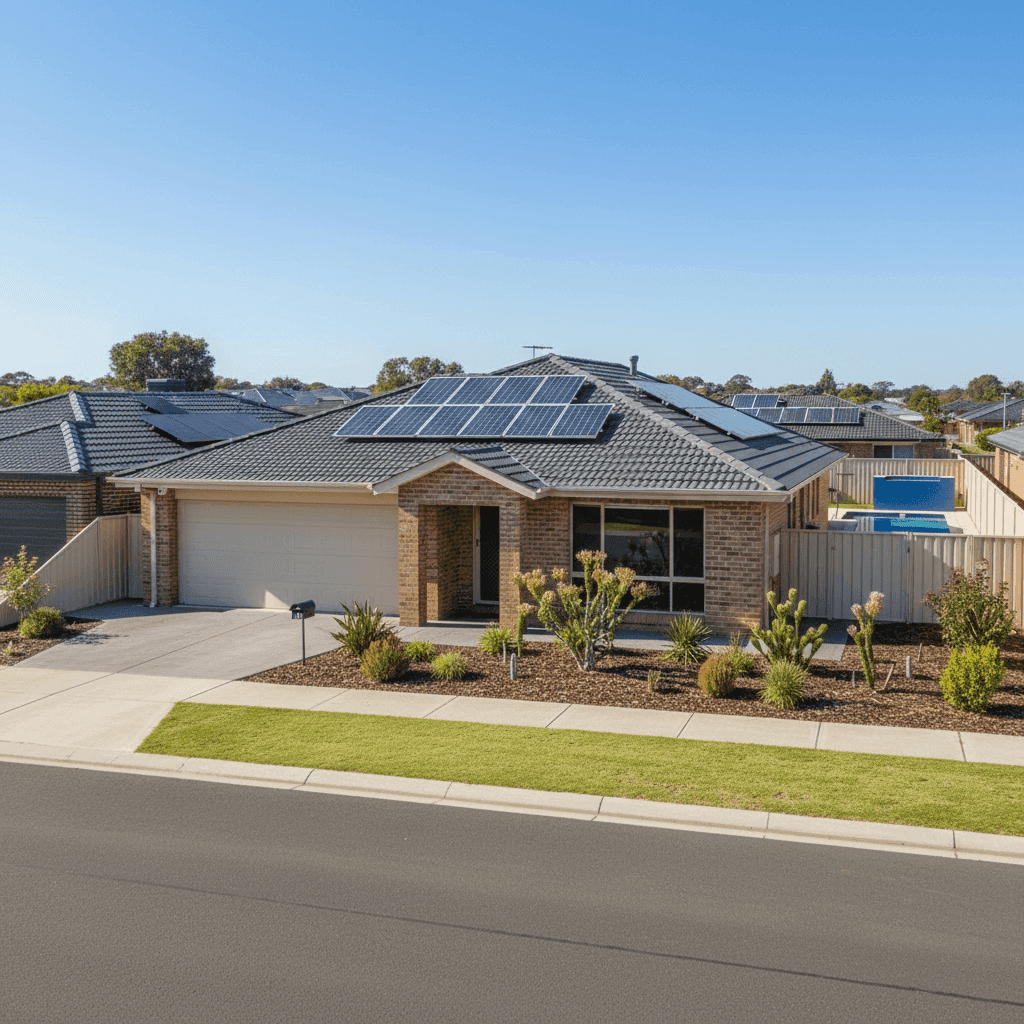
Thornlie is a well-established suburban neighbourhood in Perth's south-eastern corridor, known for its leafy streets, solid brick homes, and strong community feel. If you own a free standing home here, you're likely paying close attention to the cost of protecting it — and rightly so. Home and contents insurance is one of the most important financial safeguards a homeowner can have. In this article, we break down a real insurance quote for a 4-bedroom, 2-bathroom free standing home in Thornlie (postcode 6108) and put it under the microscope to help you understand whether it represents good value.
---
Is This Quote Fair?
The quote in question comes in at $1,226 per year (or $120/month) for combined home and contents cover, with a building sum insured of $800,000 and contents valued at $140,000. Both the building and contents excess sit at $2,000.
Our price rating for this quote is FAIR — Around Average, and the data backs that up. Based on 45 quotes collected for Thornlie (6108), the suburb average premium is $1,260/yr and the median sits at $1,207/yr. This quote lands almost exactly in the middle of the pack — just below the suburb average and only marginally above the median.
To put it simply: you're not getting a bargain, but you're not being overcharged either. The quote is squarely within the typical range for this area, which is reassuring for homeowners who want to know they're not paying a premium for no reason.
---
How Thornlie Compares
One of the most striking takeaways from this data is just how affordable Thornlie is relative to the rest of the country.
| Benchmark | Average Premium |
|---|---|
| Thornlie (6108) Suburb Average | $1,260/yr |
| Gosnells LGA Average | $1,427/yr |
| WA State Average | $2,144/yr |
| National Average | $2,965/yr |
Compared to the Western Australian state average of $2,144/yr, this quote is 43% cheaper. And when stacked against the national average of $2,965/yr, the savings are even more dramatic — nearly 59% below what Australians pay on average across the country.
Even within the City of Gosnells LGA, where the average sits at $1,427/yr, Thornlie homeowners appear to enjoy a meaningful cost advantage. This reflects the suburb's relatively low-risk profile: it sits outside cyclone-prone zones, isn't classified as a high bushfire risk area, and benefits from Perth's generally stable climate.
For homeowners in Thornlie, the 25th percentile of quotes is $898/yr and the 75th percentile is $1,337/yr. If your current premium is above $1,337, it's well worth shopping around — there may be meaningfully cheaper options available for comparable cover.
---
Property Features That Affect Your Premium
Every property is different, and insurers assess a wide range of characteristics when calculating your premium. Here's how the key features of this particular home are likely influencing the quote:
Double Brick Construction
Double brick is one of the most favoured building materials in the eyes of Australian insurers. It's durable, fire-resistant, and holds up well against the elements. Homes built with double brick walls typically attract lower premiums than those with timber or lightweight cladding — a genuine advantage for this property.
Tiled Roof
Terracotta or concrete tile roofs are considered a solid, low-maintenance roofing option. Like double brick walls, tiles are generally viewed favourably by insurers compared to corrugated iron or older materials. They're resilient and less prone to storm damage under typical conditions.
Construction Year: 1985
A home built in 1985 is now around 40 years old. While it's not a new build, double brick homes from this era are known for their quality and longevity. That said, older homes may have ageing plumbing, electrical systems, or roofing that could increase the likelihood of a claim — something insurers factor into their pricing.
Swimming Pool
Having a pool on the property adds to the replacement cost of the home and introduces some additional liability considerations. This will typically nudge premiums slightly higher, though the impact is usually modest for well-maintained pools.
Solar Panels
Solar panels are increasingly common on Australian homes, and most insurers now include them under building cover as a fixed structure. However, they do add to the overall replacement value of the property, which is reflected in the building sum insured.
Ducted Climate Control
Ducted air conditioning is another fixed asset that contributes to the building's total replacement value. At 214 sqm, this is a generously sized home, and the inclusion of ducted climate control is consistent with a well-appointed family property.
No Cyclone Risk
Thornlie is not located in a cyclone risk zone, which is a significant factor in keeping premiums lower than many other parts of Western Australia — particularly the north-west. This is one of the primary reasons Thornlie premiums are so much lower than the state average.
---
Tips for Homeowners in Thornlie
Whether you're reviewing your current policy or shopping for the first time, here are some practical steps to make sure you're getting the right cover at the right price.
- Review your sum insured regularly. Building costs have risen sharply in recent years. Make sure your $800,000 building sum insured still reflects the actual cost to rebuild your home — not just its market value. Underinsurance is one of the most common and costly mistakes homeowners make.
- Consider your excess carefully. A $2,000 excess on both building and contents is on the higher end. Opting for a higher excess can reduce your annual premium, but make sure it's an amount you could comfortably pay out of pocket if you needed to make a claim.
- Don't overlook your contents. $140,000 in contents cover is a reasonable starting point for a 4-bedroom home, but it's worth doing a room-by-room audit to make sure you're not underinsured. High-value items like jewellery, electronics, and artwork may need to be listed separately.
- Shop around at renewal time. Insurers often reserve their best pricing for new customers. Use a comparison platform like CoverClub to benchmark your renewal quote against the market — it only takes a few minutes and could save you hundreds.
---
Compare Your Own Quote
Curious how your home insurance stacks up? CoverClub makes it easy to compare quotes from multiple insurers in one place — no paperwork, no phone calls. Get a quote today at CoverClub and see how your premium compares to your neighbours in Thornlie and beyond. You can also explore detailed suburb-level data for Thornlie (6108) to get a clearer picture of what locals are paying.