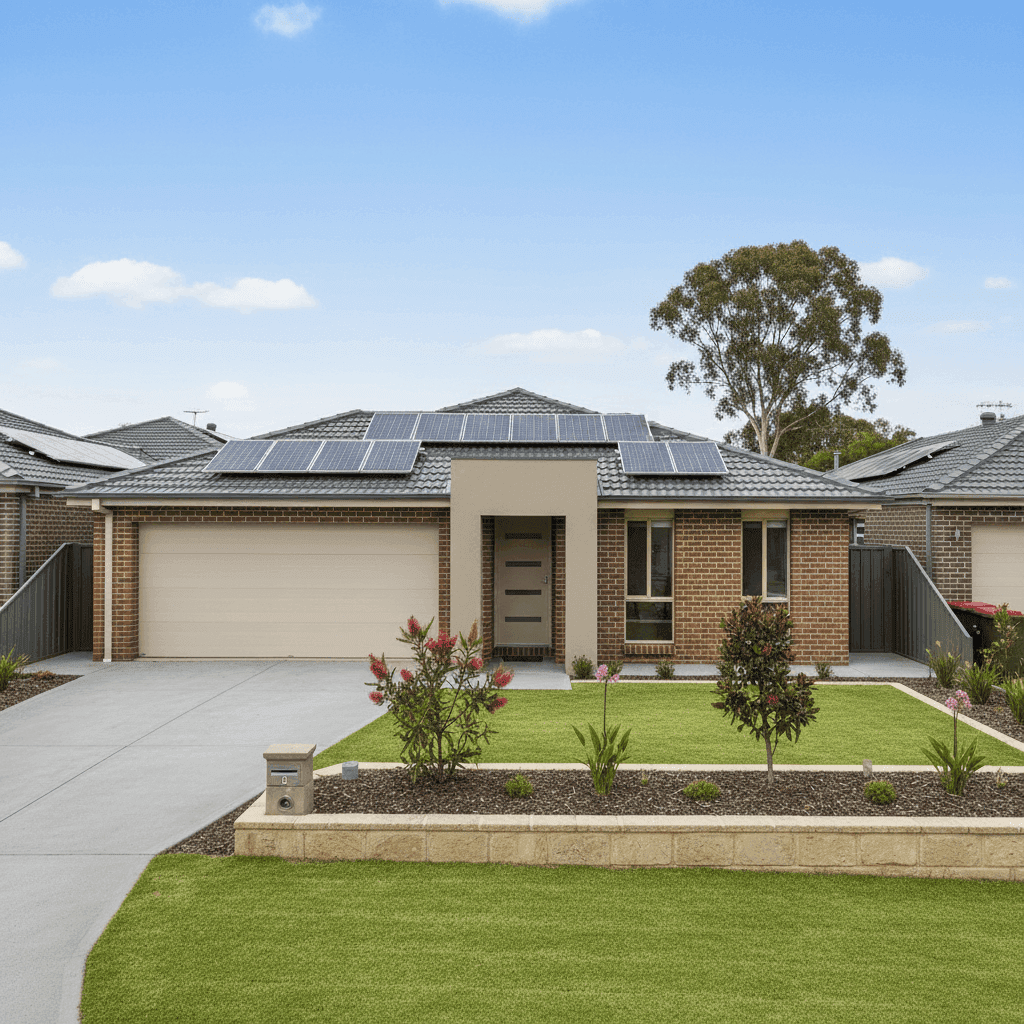
If you own a free standing home in Thornton, NSW 2322, understanding what you should be paying for building insurance is one of the smartest financial checks you can make. Thornton is a well-established suburb in the Hunter Region, sitting within the Cessnock Local Government Area — a predominantly low-to-medium risk area that tends to attract more competitive premiums than many other parts of New South Wales.
This article breaks down a real building-only insurance quote for a four-bedroom, two-bathroom brick veneer home in Thornton, and puts that figure into context against local, state, and national benchmarks.
---
Is This Quote Fair?
The quote in question comes in at $2,256 per year (or $216/month) for building-only cover on a home insured for $600,000, with a $500 building excess. Our pricing analysis rates this as FAIR — Around Average.
To understand what "fair" actually means here, it helps to look at where this premium sits within the local distribution. Based on 43 quotes collected for Thornton (postcode 2322):
| Benchmark | Premium |
|---|---|
| 25th percentile (cheaper end) | $2,216/yr |
| This quote | $2,256/yr |
| Suburb average | $2,756/yr |
| Suburb median | $2,710/yr |
| 75th percentile (pricier end) | $3,221/yr |
At $2,256/yr, this quote sits just above the 25th percentile — meaning roughly 75% of quotes in the suburb come in higher. That's a genuinely competitive result. It's well below both the suburb average ($2,756) and the median ($2,710), suggesting the homeowner is getting a better-than-typical deal for the area without being an outlier that might indicate underinsurance.
The "Fair" rating reflects that while this is a solid price, there are still cheaper options available — particularly for those who shop around or adjust their excess. It's not the cheapest on the market, but it's far from expensive.
---
How Thornton Compares
Zooming out beyond the suburb paints an even more reassuring picture. New South Wales as a whole carries a sky-high average premium of $9,528/yr, though the median sits at a more grounded $3,770/yr. The dramatic gap between the NSW average and median tells you something important: a relatively small number of very high-risk properties (think flood-prone or bushfire-exposed areas) are dragging the state average upward significantly.
At the national level, the average premium is $5,347/yr with a median of $2,764/yr. Again, the median is the more useful number for typical homeowners.
Here's how Thornton stacks up:
| Geography | Average Premium | Median Premium |
|---|---|---|
| Thornton (2322) | $2,756/yr | $2,710/yr |
| Cessnock LGA | $2,462/yr | — |
| NSW | $9,528/yr | $3,770/yr |
| National | $5,347/yr | $2,764/yr |
Thornton's median of $2,710/yr sits comfortably below the national median of $2,764/yr — a meaningful distinction given that NSW as a whole is significantly more expensive than most other states. The Cessnock LGA average of $2,462/yr is even lower, suggesting this particular corner of the Hunter is considered relatively low-risk by insurers.
For homeowners in Thornton, this is broadly good news: you're in a suburb where insurance is priced reasonably, and this quote reflects that.
---
Property Features That Affect Your Premium
Insurance premiums aren't plucked from thin air — they're calculated based on a detailed profile of the property. Here's how the key features of this home influence the quote:
Brick Veneer Walls & Tiled Roof Brick veneer is one of the most common and well-regarded construction types in Australian suburbia. Insurers generally view it favourably because it offers solid fire resistance and structural durability. Similarly, a tiled roof is considered a lower-risk roofing material compared to Colorbond or timber shingles in many scenarios. Together, these two features likely contribute to a more competitive premium.
Concrete Slab Foundation A slab-on-ground foundation is standard for homes built in this era and region. It's generally considered low-risk for subsidence and moisture ingress compared to older timber stumped foundations, which can be a positive factor in premium calculations.
Solar Panels The property has solar panels installed, which adds a modest level of complexity to a claim scenario (panels can be damaged in storms or hail events). Some insurers include solar panels under building cover automatically, while others may require them to be listed separately. It's worth confirming with your insurer exactly how your solar system is covered — and whether the inverter and mounting hardware are included.
Ducted Climate Control Ducted air conditioning systems are a fixed building feature and are typically covered under building insurance. However, they can be expensive to repair or replace, so it's worth ensuring your sum insured of $600,000 adequately accounts for this.
214 sqm Home, Built 2003 A home of this size built in 2003 is well within a comfortable age bracket for insurers. It's modern enough to meet current building codes but old enough that some components (roof tiles, hot water systems, ducting) may be approaching the end of their serviceable life — worth factoring in when reviewing your sum insured over time.
No Pool, Standard Fittings The absence of a pool removes a liability and maintenance risk that some insurers price into premiums. Standard fittings (as opposed to high-end or custom finishes) also keep the rebuild cost estimate — and therefore the premium — at a reasonable level.
---
Tips for Homeowners in Thornton
1. Review your sum insured regularly Building costs in the Hunter Region have risen considerably over the past few years. A sum insured of $600,000 for a 214 sqm home works out to roughly $2,804/sqm — which is within a reasonable range for a brick veneer home with standard fittings, but worth reassessing annually. Underinsurance is one of the most common and costly mistakes homeowners make.
2. Clarify your solar panel coverage With solar panels on the roof, take a few minutes to call your insurer and confirm exactly what's covered. Ask specifically about storm damage, hail damage, and whether the inverter is included. If panels aren't covered, you may need to add them as a listed item or seek a policy that includes them by default.
3. Consider increasing your excess to reduce your premium The building excess on this policy is $500 — relatively low. Opting for a higher excess (say, $1,000 or $2,000) can meaningfully reduce your annual premium. If you have a solid emergency fund and are unlikely to make small claims, this trade-off often makes financial sense.
4. Compare quotes at renewal time Even a "fair" quote can often be bettered. Insurers adjust their pricing models regularly, and loyalty doesn't always pay in the home insurance market. Set a reminder to compare quotes at least 30 days before your renewal date to give yourself time to switch if a better deal is available.
---
Compare Your Options with CoverClub
Whether you're reviewing an existing policy or shopping for cover for the first time, CoverClub makes it easy to see how your premium stacks up. Get a building insurance quote for your Thornton home and compare it against real data from your suburb, LGA, and across Australia. With transparent pricing benchmarks and no pressure to buy, it's the smarter way to protect your biggest asset.