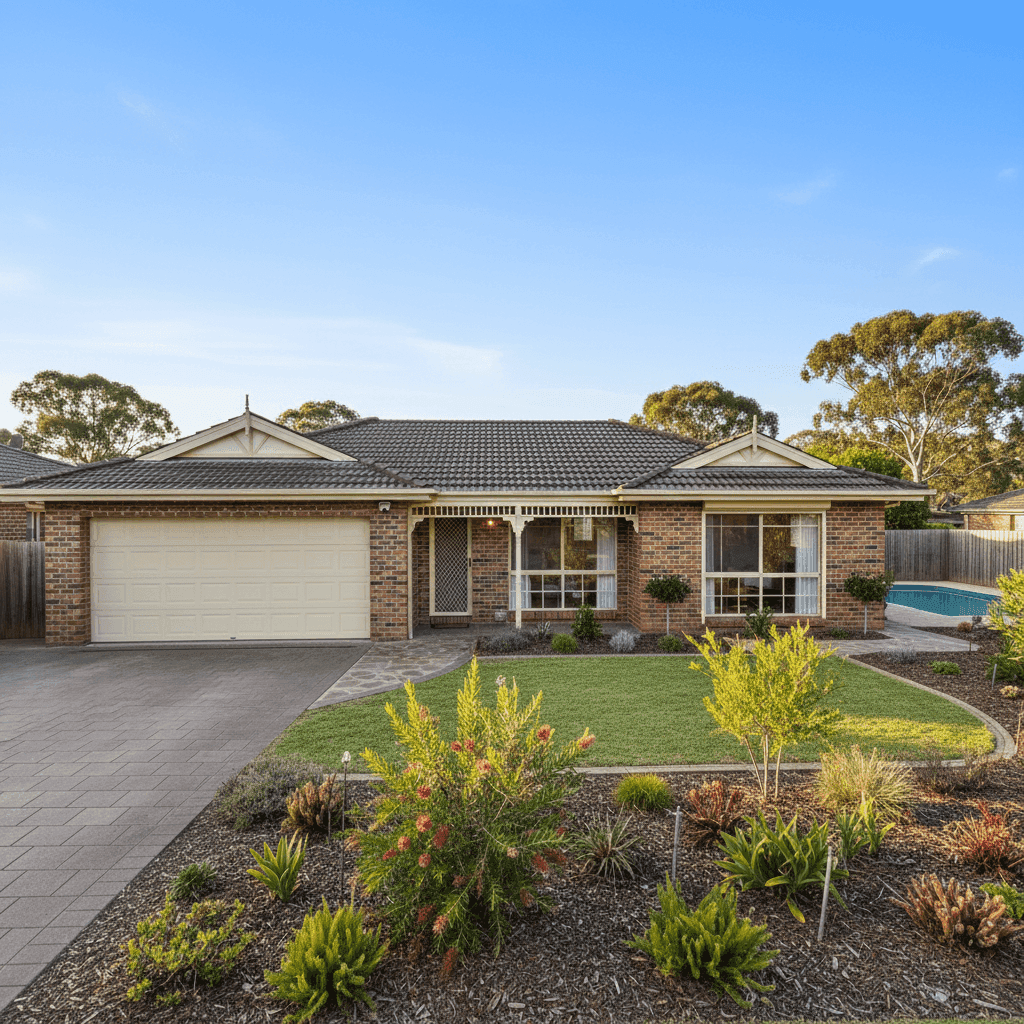
If you own a free standing home in Thornton, NSW 2322, you're likely paying close attention to the cost of home and contents insurance — especially as premiums across Australia have continued to shift in recent years. This article breaks down a real insurance quote for a four-bedroom brick veneer home in Thornton, compares it against local, state, and national benchmarks, and offers practical guidance for homeowners in the area.
---
Is This Quote Fair?
The quote in question sits at $2,733 per year (or roughly $264 per month) for combined home and contents cover, with a building sum insured of $500,000 and contents valued at $200,000. Both the building and contents excess are set at $1,000.
Our analysis rates this quote as FAIR — Around Average. That's a reasonable result, though it's worth unpacking what "around average" actually means in context.
Compared to the Thornton suburb average of $2,436/yr, this quote comes in about 12% higher. However, it sits comfortably above the suburb's 25th percentile of $1,516/yr and well below the 75th percentile of $3,666/yr — meaning roughly half of Thornton homeowners are paying somewhere in between. At $2,733, this quote is slightly above the suburb median of $2,625/yr, which places it in the middle-upper band of what locals are typically paying.
Importantly, the quote is well below the NSW state average of $3,801/yr and also under the state median of $3,410/yr. That's a meaningful saving compared to what many NSW homeowners are forking out. Against the national average of $2,965/yr, this quote is again slightly cheaper — a positive sign for Thornton residents.
In short: while this isn't the cheapest quote available in the suburb, it's a competitive result when viewed through a broader lens.
---
How Thornton Compares
Thornton sits within the Cessnock LGA, where the average home insurance premium is approximately $2,585/yr — slightly lower than the Thornton suburb average of $2,436/yr, suggesting that pricing within the postcode is broadly in line with the wider local government area.
Here's a quick snapshot of how the numbers stack up:
| Benchmark | Annual Premium |
|---|---|
| This Quote | $2,733 |
| Thornton Suburb Average | $2,436 |
| Thornton Suburb Median | $2,625 |
| Cessnock LGA Average | $2,585 |
| NSW State Average | $3,801 |
| NSW State Median | $3,410 |
| National Average | $2,965 |
| National Median | $2,716 |
One of the standout observations here is how significantly cheaper Thornton is compared to the NSW state average. Homeowners in parts of Sydney, coastal flood zones, or bushfire-prone regions often face far steeper premiums. Thornton's inland location in the Hunter Valley, away from cyclone risk zones and major flood corridors, contributes to its relatively moderate pricing.
The suburb sample used in this analysis is based on 107 quotes, which provides a statistically meaningful dataset for comparison. You can explore the full Thornton suburb insurance stats here.
---
Property Features That Affect Your Premium
Every home is unique, and insurers assess a range of property characteristics when calculating your premium. Here's how the features of this particular home are likely influencing the cost:
Brick Veneer Construction Brick veneer walls are generally viewed favourably by insurers. They offer solid fire resistance and structural durability compared to weatherboard or lightweight cladding, which can translate to lower rebuild risk — and potentially lower premiums.
Tiled Roof A concrete or terracotta tiled roof is considered one of the more resilient roofing types. Tiles handle hail and general wear reasonably well, though they can be prone to cracking under significant impact. Overall, this is a neutral-to-positive factor for insurers.
Slab Foundation Concrete slab foundations are common in homes built from the 1980s onward and are generally associated with lower subsidence risk compared to older pier-and-beam constructions. This is a straightforward, low-risk foundation type.
Construction Year: 1995 At around 30 years old, this home is relatively modern. Homes built in the mid-1990s typically comply with building codes that improved structural standards, which can work in your favour at assessment time. That said, key systems like plumbing, electrical, and roofing may be approaching the age where maintenance becomes more important.
Swimming Pool The presence of a pool adds a layer of liability exposure and can nudge premiums slightly upward. Pools also increase the overall replacement cost of the property, which is factored into the building sum insured.
Ducted Climate Control Ducted air conditioning systems are a meaningful asset but also a potential source of claims — particularly for water damage or mechanical breakdown. Ensuring your policy adequately covers these systems is worthwhile.
Timber and Laminate Flooring Timber and laminate floors can be costly to repair or replace following water damage or other incidents. This is a relevant consideration when setting your contents and building sum insured.
Building Size: 214 sqm At 214 square metres, this is a comfortably sized family home. The building sum insured of $500,000 appears reasonable for a four-bedroom, two-bathroom brick veneer home of this size in the Hunter region, though it's always worth verifying your rebuild cost estimate is current.
---
Tips for Homeowners in Thornton
1. Review Your Sum Insured Annually Construction costs have risen significantly across Australia in recent years. A sum insured that was accurate two or three years ago may now fall short of what it would actually cost to rebuild your home. Use an independent building cost calculator or speak with a quantity surveyor to make sure you're not underinsured.
2. Compare Quotes Before Renewing Loyalty doesn't always pay in insurance. Insurers frequently offer better pricing to new customers than to long-standing policyholders. Before your renewal date, take 10 minutes to compare quotes at CoverClub and see whether you can secure a better deal without sacrificing cover quality.
3. Consider Your Excess Level This quote carries a $1,000 excess on both building and contents. Opting for a higher excess — say $2,000 — can meaningfully reduce your annual premium. If you have the financial buffer to cover a larger out-of-pocket cost in the event of a claim, this can be a smart way to lower ongoing costs.
4. Maintain Your Pool and Roof Regular maintenance of your pool (fencing compliance, equipment servicing) and roof (clearing debris, checking for cracked tiles) can reduce the likelihood of claims and may help when negotiating with your insurer. Some insurers also require evidence of maintenance to honour certain claims.
---
Ready to Find a Better Deal?
Whether you're renewing your current policy or shopping around for the first time, comparing your options is the single most effective way to ensure you're getting fair value. CoverClub makes it easy to see how your quote stacks up against real data from your suburb and beyond.
Get a home insurance quote today at CoverClub and find out if you could be paying less for the same — or better — cover.