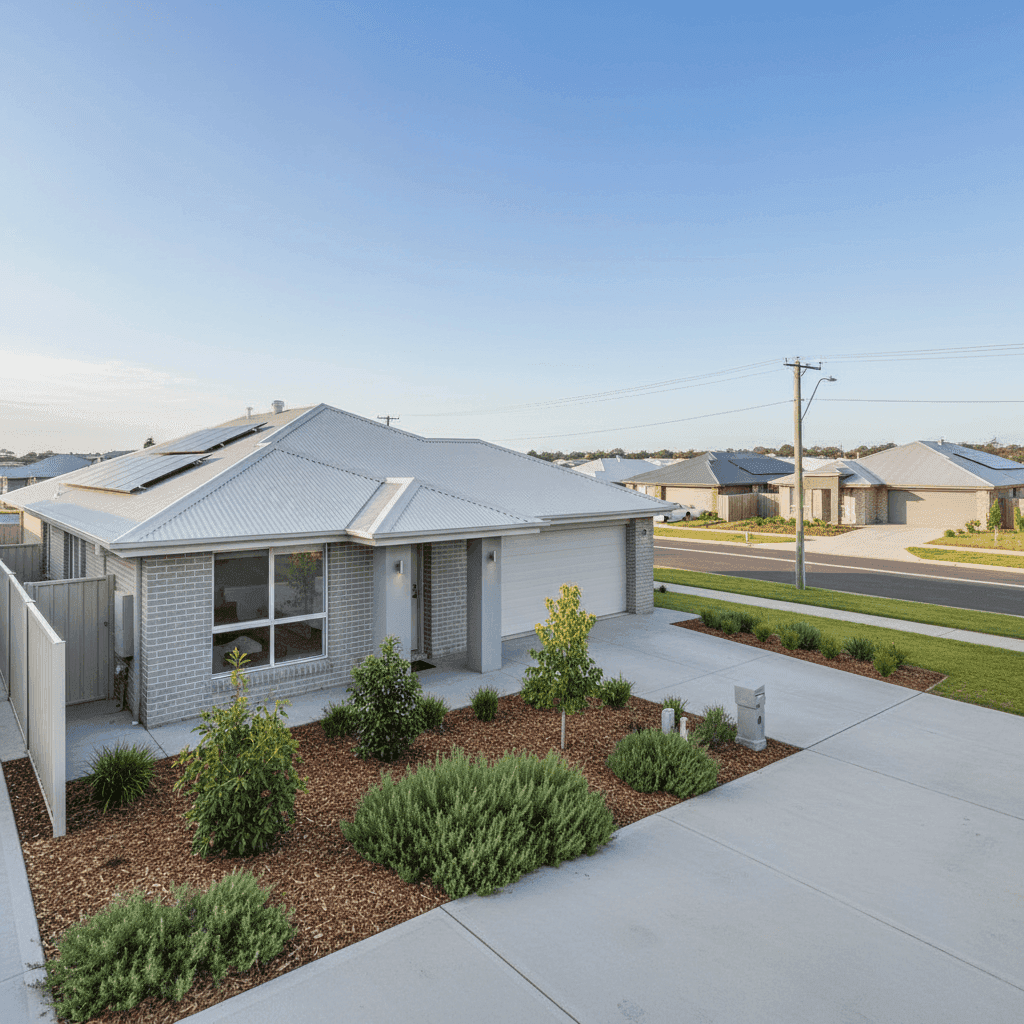
If you own a free standing home in Thrumster, NSW 2444, understanding what you should expect to pay for home and contents insurance is an important step in protecting one of your biggest assets. Thrumster is a growing residential suburb on the Mid North Coast of New South Wales, sitting within the Port Macquarie-Hastings Local Government Area. With new housing developments continuing to emerge in the area, many homeowners are navigating the insurance market for the first time — or reassessing whether their current policy still represents good value.
This article breaks down a real home and contents insurance quote for a four-bedroom, two-bathroom free standing home in Thrumster, analyses how that premium stacks up against local and national benchmarks, and offers practical tips to help you get the best possible deal.
---
Is This Quote Fair?
The quote in question comes in at $3,202 per year (or $307 per month) for combined home and contents cover, with a building sum insured of $668,000 and contents valued at $51,000. Both the building and contents excess are set at $1,000.
Our pricing engine rates this quote as FAIR — Around Average, which is a reasonable outcome for a property of this size and specification. It sits above the suburb average of $2,778/yr and the suburb median of $2,602/yr, but comfortably within the middle range of what Thrumster homeowners are paying. Based on our data from 43 quotes in the area, the 25th percentile sits at $1,944/yr and the 75th percentile at $3,625/yr — meaning this quote falls in the upper-middle band of the local market.
In plain terms: you're not being overcharged, but there's likely room to find a more competitive premium if you're willing to shop around.
---
How Thrumster Compares
To put this quote in proper context, it helps to look at the broader pricing landscape across the suburb, state, and nationally.
| Benchmark | Average | Median |
|---|---|---|
| Thrumster (NSW 2444) | $2,778/yr | $2,602/yr |
| NSW (State) | $9,528/yr | $3,770/yr |
| National | $5,347/yr | $2,764/yr |
A few things stand out here. The NSW state average of $9,528/yr looks alarming at first glance, but the median of $3,770/yr tells a more useful story — a small number of very high-risk or high-value properties are pulling that average up significantly. Thrumster's figures are notably more modest, which reflects the suburb's relatively low exposure to catastrophic risks such as flooding or cyclones.
Compared to the national median of $2,764/yr, this quote is slightly above average, which is consistent with the property's above-average building sum insured of $668,000. The Port Macquarie-Hastings LGA average of $7,001/yr is considerably higher than what Thrumster homeowners typically pay, suggesting that other parts of the LGA — particularly those with greater flood or storm exposure — are dragging that figure upward.
For a detailed breakdown of what homeowners in your postcode are paying, visit the Thrumster suburb stats page.
---
Property Features That Affect Your Premium
Insurers assess risk at a very granular level, and the specific characteristics of this property play a meaningful role in determining the final premium. Here's how the key features factor in:
Brick Veneer Walls & Colorbond Roof Brick veneer is one of the most common construction types in Australian suburbia and is generally viewed favourably by insurers. It offers solid fire resistance and structural integrity. A steel Colorbond roof is similarly well-regarded — it's durable, low-maintenance, and performs well in high-wind events. Together, these materials typically attract more competitive premiums compared to, say, weatherboard or fibrous cement construction.
New Build (2024) A home constructed in 2024 is essentially brand new, which is a significant pricing advantage. Modern builds must comply with current Australian building codes, meaning better insulation, improved structural standards, and up-to-date electrical and plumbing systems. Insurers generally price newer homes more favourably because the risk of structural failure or hidden defects is substantially lower.
Slab Foundation A concrete slab foundation is standard for new builds in this region and is considered a low-risk foundation type by most insurers. Unlike older homes on stumps or piers, slab foundations are less susceptible to subsidence and pest-related damage.
Solar Panels The presence of rooftop solar panels adds a layer of complexity to home insurance. Panels need to be covered for accidental damage, storm damage, and theft — and not all policies include this automatically. It's worth confirming with your insurer that your solar system is explicitly covered under your building policy.
Ducted Climate Control Ducted air conditioning systems are a fixed building feature and should be included in your building sum insured. At $668,000, the sum insured for this property appears to account for the home's size (214 sqm) and quality inclusions, which is reassuring.
Timber & Laminate Flooring Timber and laminate floors can be costly to repair or replace following water damage, which is one reason contents and internal fixtures coverage matters. Ensuring your policy covers floor coverings adequately is worth a close read of the product disclosure statement (PDS).
---
Tips for Homeowners in Thrumster
1. Verify Your Solar Panels Are Covered As mentioned above, solar panels aren't always included as a default in building policies. Check your PDS carefully and ask your insurer directly whether panels, inverters, and associated wiring are covered — and under what circumstances.
2. Review Your Building Sum Insured Annually Construction costs in regional NSW have risen sharply in recent years. A sum insured that was accurate when you first took out your policy may no longer reflect the true cost of rebuilding your home. Use a building calculator or speak to a quantity surveyor to make sure you're not underinsured.
3. Consider a Higher Excess to Lower Your Premium With both the building and contents excess set at $1,000, there's an opportunity to explore whether increasing the excess — to $2,000 or $2,500, for example — could reduce your annual premium meaningfully. This strategy works well for homeowners who have a solid emergency fund and are unlikely to make small claims.
4. Compare Quotes Before Renewal Insurance loyalty rarely pays. Many insurers offer their best rates to new customers, meaning long-standing policyholders can end up paying a premium for doing nothing. Set a reminder to compare quotes at least 30 days before your renewal date so you have time to switch if a better deal is available.
---
Ready to Find a Better Deal?
Whether you're insuring a new build for the first time or reassessing your existing policy, comparing quotes is the single most effective way to ensure you're getting fair value. At CoverClub, we make it easy to see what multiple insurers would charge for your specific property — in minutes, with no obligation.