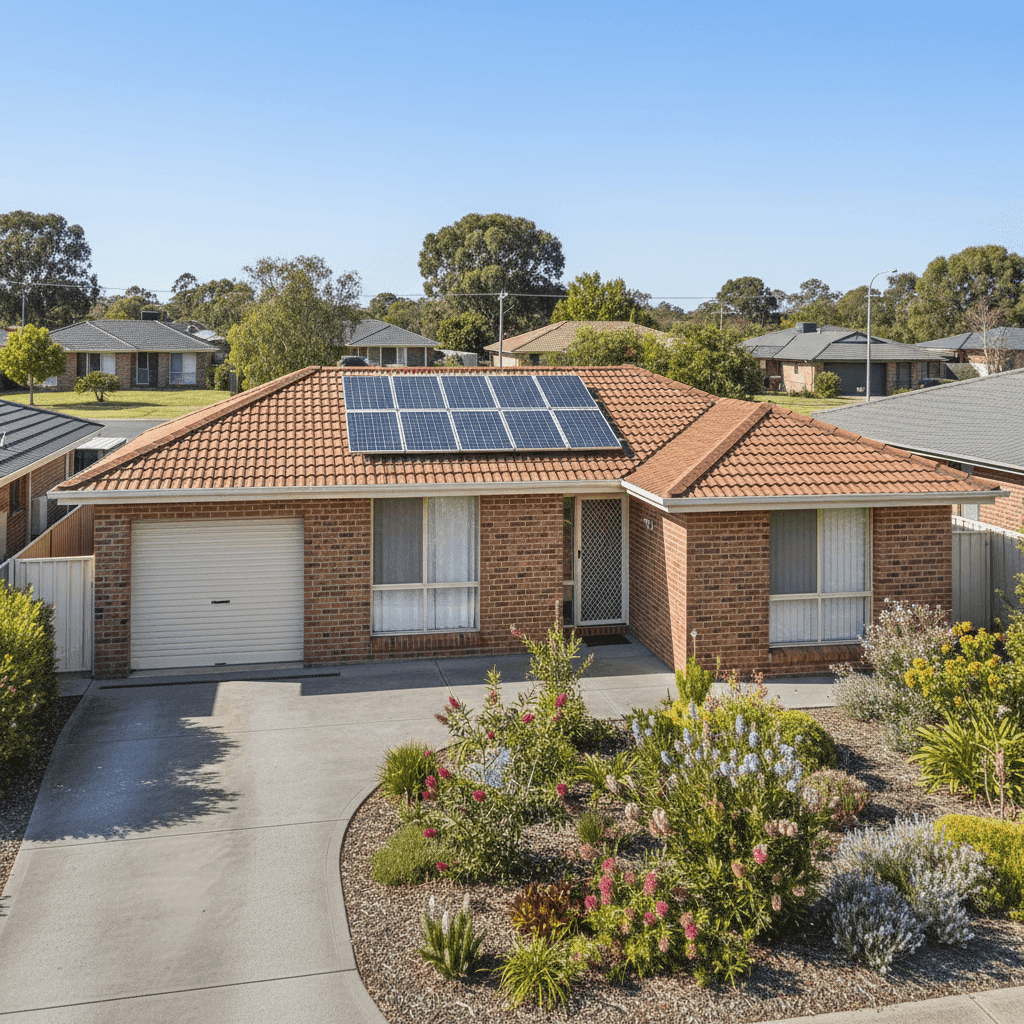
Thurgoona is a well-established residential suburb on the outskirts of Albury in southern New South Wales — and like most Australian homeowners, those in this area are increasingly looking for ways to make sense of their insurance costs. This article takes a close look at a real home and contents insurance quote for a three-bedroom, two-bathroom free-standing home in Thurgoona (postcode 2640), breaking down whether the price stacks up and what factors are driving the premium.
---
Is This Quote Fair?
The quote in question comes in at $1,705 per year (or $177/month) for combined home and contents cover, with a building sum insured of $515,000 and contents valued at $176,000. The building excess sits at $3,000 and the contents excess at $1,000.
Our pricing analysis rates this quote as FAIR — around average for the area. That's a reasonable outcome for a homeowner, though it's worth understanding exactly what "average" means in context.
Compared to the suburb average for Thurgoona of $2,365/year, this quote is actually sitting $660 below the average — a meaningful saving. However, the suburb median premium is $1,669/year, which means this quote is just a touch above the midpoint of what Thurgoona homeowners are typically paying. In practical terms, roughly half of comparable quotes in this postcode come in cheaper, and half come in more expensive.
The 25th percentile for the suburb is $1,114/year, which tells us there are cheaper options available in the market — though those quotes may reflect lower sums insured, higher excesses, or more limited cover. The 75th percentile sits at $2,452/year, so this quote is comfortably within the middle band of pricing across 87 quotes sampled in the area.
---
How Thurgoona Compares
To put this quote in broader perspective, it's worth zooming out to state and national figures.
The NSW state average premium is a striking $9,528/year, though that figure is heavily skewed by high-risk and high-value properties across the state — from flood-prone river towns to premium coastal real estate. The NSW median of $3,770/year is a more useful benchmark, and against that figure, this Thurgoona quote looks quite competitive.
At the national level, the average premium is $5,347/year with a median of $2,764/year. Again, this Thurgoona quote sits below the national median, which is a positive sign for the homeowner.
Within the local government area, the Snowy Valleys LGA average comes in at $2,858/year — above this quote by more than $1,100. That said, the Snowy Valleys LGA encompasses a diverse range of properties and risk profiles, so direct comparisons should be made carefully.
| Benchmark | Premium |
|---|---|
| This Quote | $1,705/yr |
| Thurgoona Suburb Average | $2,365/yr |
| Thurgoona Suburb Median | $1,669/yr |
| Snowy Valleys LGA Average | $2,858/yr |
| NSW State Median | $3,770/yr |
| National Median | $2,764/yr |
Overall, this quote compares favourably across most benchmarks, and homeowners in Thurgoona can take some comfort that the suburb generally attracts more affordable premiums than much of NSW.
---
Property Features That Affect Your Premium
Several characteristics of this property influence how insurers price the risk — both positively and negatively.
Brick Veneer Walls & Tiled Roof This is a solid combination from an insurer's perspective. Brick veneer construction is widely regarded as durable and fire-resistant, while tiled roofs offer good longevity and weather resistance. Both materials are considered standard by Australian insurers and generally attract more favourable pricing compared to weatherboard or steel cladding.
Slab Foundation A concrete slab foundation is common in homes of this era and is generally viewed as low-risk by insurers. It reduces the likelihood of subsidence-related claims and is well-suited to the soil conditions found across much of regional NSW.
Timber & Laminate Flooring While aesthetically popular, timber and laminate floors can be more susceptible to water damage than tiles. Insurers may factor this into contents and building assessments, particularly when evaluating claims related to burst pipes or flooding.
1986 Construction Year At nearly 40 years old, this home falls into a category that insurers scrutinise for ageing infrastructure — particularly plumbing and electrical systems. Older homes can carry a slightly elevated risk of internal water damage or electrical faults. Keeping these systems well-maintained is important both for safety and for supporting any future claims.
Solar Panels The presence of solar panels adds a small but notable layer of complexity to the building sum insured. Panels need to be covered under the building policy, and at $515,000, the sum insured here should adequately account for their replacement value. It's worth confirming with your insurer that solar panels are explicitly included in your policy wording.
No Pool, No Cyclone Risk The absence of a pool removes a common source of liability and maintenance-related claims. Thurgoona is also well outside any designated cyclone risk zone, which is a meaningful factor in keeping premiums lower compared to properties in northern Queensland or coastal Northern Territory.
---
Tips for Homeowners in Thurgoona
1. Review your building sum insured regularly Construction costs have risen significantly across Australia in recent years. With a building sum insured of $515,000 for a 139 sqm home, it's worth running a rebuild cost estimate annually to ensure you're not underinsured. Your insurer may offer an automatic indexation feature — check whether it's active on your policy.
2. Confirm solar panel coverage Solar systems are a meaningful asset and must be explicitly covered in your building policy. Ask your insurer whether your panels are included, what limits apply, and whether damage from storms or inverter failure is covered.
3. Consider your excess trade-off The $3,000 building excess on this policy is on the higher end. While a higher excess typically reduces your premium, it also means a larger out-of-pocket cost when you do need to claim. Review whether this level of excess aligns with your financial comfort and the types of risks most relevant to your area.
4. Shop the market at renewal Even if your current quote is fair, the insurance market shifts each year. Loyalty doesn't always pay — insurers frequently offer better rates to new customers. Use a comparison tool like CoverClub at renewal time to ensure you're still getting a competitive deal.
---
Compare Your Home Insurance Quote Today
Whether you're a first-time buyer in Thurgoona or a long-term homeowner reassessing your cover, it pays to compare. CoverClub makes it easy to see how your current premium stacks up against real quotes from across the suburb, state, and nation. Get a quote today and find out if you could be paying less — without sacrificing the cover you need.