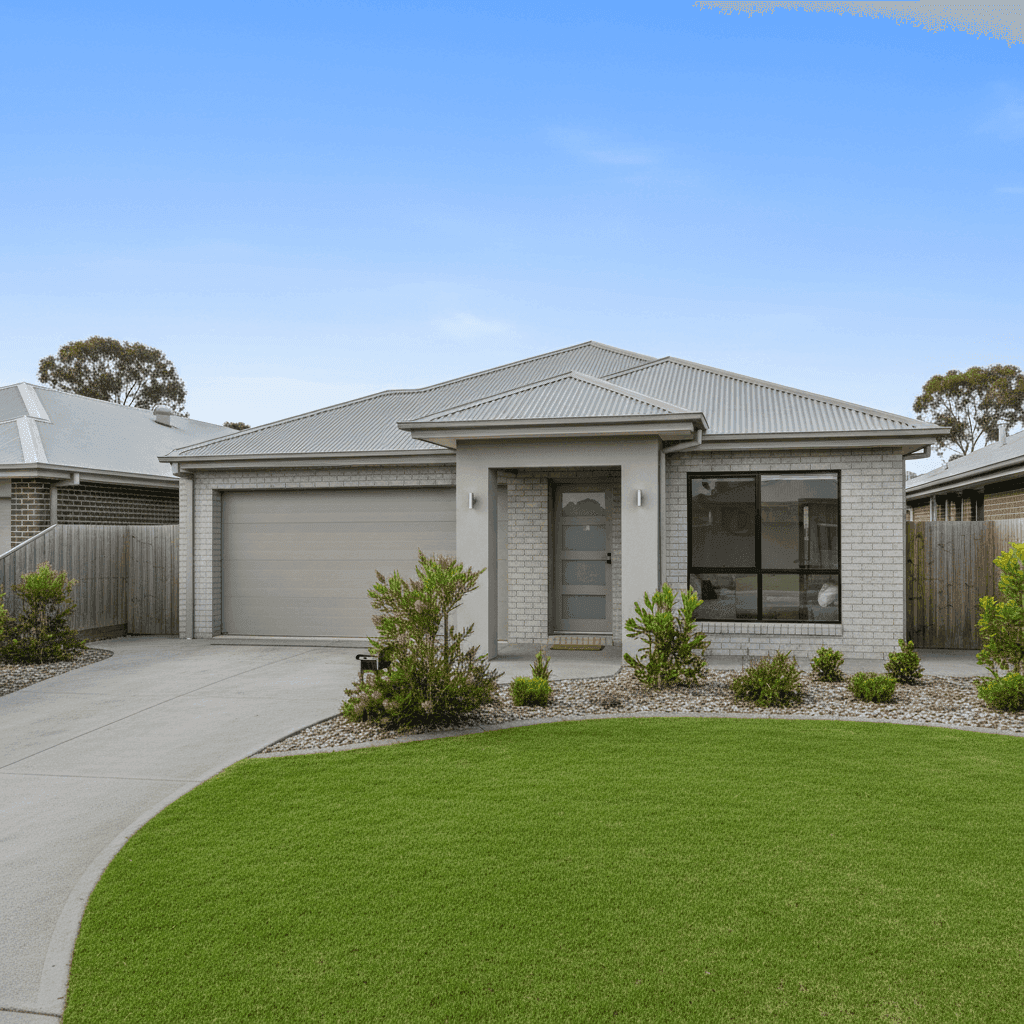
Thurgoona is a well-established residential suburb on the outskirts of Albury in southern New South Wales, popular with families drawn to its quiet streets, modern housing stock, and proximity to the Hume Highway corridor. If you own a free standing home here, understanding what you should be paying for home and contents insurance — and why — can make a real difference to your household budget. This article breaks down a recent quote for a three-bedroom, two-bathroom brick veneer home in Thurgoona and puts it in context against local, state, and national benchmarks.
---
Is This Quote Fair?
The quote in question comes in at $1,529 per year (or around $150 per month) for combined home and contents cover, with a building sum insured of $596,000 and contents valued at $10,000. Both the building and contents excess are set at $2,000.
Our price rating for this quote is CHEAP — below average — and the numbers back that up convincingly. Based on 23 quotes collected for the Thurgoona 2640 area, the suburb average sits at $2,816 per year, while the median is $2,179 per year. This quote lands well below even the 25th percentile of $1,740 — meaning it's cheaper than at least three-quarters of comparable quotes in the suburb.
Put simply, if you've received a quote in this range, you're doing very well relative to your neighbours.
---
How Thurgoona Compares
To appreciate just how competitive this premium is, it helps to zoom out and look at the broader picture.
| Benchmark | Average Premium | Median Premium |
|---|---|---|
| Thurgoona (2640) | $2,816/yr | $2,179/yr |
| Snowy Valleys LGA | $2,748/yr | — |
| New South Wales | $3,801/yr | $3,410/yr |
| National | $2,965/yr | $2,716/yr |
The quote at $1,529 is:
- 46% below the Thurgoona suburb average
- 30% below the suburb median
- 60% below the NSW state average
- 48% below the national average
New South Wales as a whole tends to carry higher premiums than the national norm, driven largely by elevated flood, storm, and bushfire risk across much of the state. Thurgoona, however, sits in a relatively low-risk inland zone, which helps keep local premiums more manageable than coastal or disaster-prone regions. Comparing against national insurance data reinforces just how favourably this quote stacks up — it's nearly half the national average.
---
Property Features That Affect Your Premium
Several characteristics of this property work in the homeowner's favour when it comes to pricing.
Brick Veneer Construction Brick veneer is one of the most common wall materials in Australian suburban homes and is generally viewed positively by insurers. It offers good fire resistance and structural durability, which can translate to lower risk assessments and more competitive premiums compared to timber-framed or clad alternatives.
Steel / Colorbond Roof A Colorbond steel roof is highly regarded in the insurance industry. It's resistant to fire, rot, and pest damage, and performs well in hail events compared to older tile roofs. Homes built with Colorbond roofing often attract better pricing, particularly in areas with occasional severe weather.
Concrete Slab Foundation Slab-on-ground construction is standard for homes built in this era and region. It eliminates the risks associated with subfloor moisture, pest access, and structural movement that can affect older homes on stumps or piers — all factors that insurers take into account.
Built in 2003 At just over 20 years old, this home sits in a sweet spot for insurers. It's modern enough to meet contemporary building codes (including updated electrical and plumbing standards) but not so new that replacement costs are at a premium. Homes from this era typically avoid the higher-risk profiles associated with much older dwellings.
Tile Flooring & Standard Fittings Tiled floors are durable and straightforward to replace, and standard-grade fittings mean the cost to repair or rebuild doesn't carry the premium associated with high-end finishes. Both factors keep the sum insured and the assessed risk at reasonable levels.
No Pool, No Solar Panels The absence of a swimming pool removes a common source of liability claims, and no solar panels means there's no additional complexity around inverter coverage or roof penetration risks. These omissions simplify the risk profile considerably.
Ducted Climate Control Ducted air conditioning is one feature that does add some value to the building sum insured, as it's an expensive system to repair or replace. However, it's a standard inclusion in many homes of this type and era, and insurers generally price it in without significant loading.
---
Tips for Homeowners in Thurgoona
1. Review Your Building Sum Insured Annually Construction costs have risen significantly in recent years. A sum insured of $596,000 for a 139 sqm brick veneer home may be appropriate today, but it's worth recalculating every year using a building cost estimator to ensure you're not underinsured. Underinsurance is one of the most common — and costly — mistakes homeowners make.
2. Consider Increasing Your Contents Cover A contents value of $10,000 is relatively modest for a three-bedroom, two-bathroom home. Take the time to walk through your home and tally up the replacement cost of furniture, appliances, clothing, and electronics. Many households find their contents are worth significantly more than they initially estimated.
3. Compare Quotes Before Renewing Even if you're happy with your current insurer, it's worth getting a fresh comparison at renewal time. Insurers regularly adjust their pricing models, and what was competitive last year may not be the best deal available today. Use CoverClub to compare quotes for your area and see how your renewal stacks up.
4. Understand Your Excess A $2,000 excess on both building and contents is on the higher end of the typical range. Higher excesses generally reduce your annual premium, which can be a smart trade-off if you have the financial buffer to cover that amount in the event of a claim. Just make sure the saving is genuinely worthwhile relative to the risk you're accepting.
---
Ready to Compare?
Whether you're renewing your policy or shopping for cover for the first time, it pays to see the full picture. CoverClub makes it easy to compare home and contents insurance quotes for properties across Thurgoona and the wider Albury region. Enter your address and get a clear, unbiased view of what the market is offering — so you can make a confident, informed decision.
Explore more local data on the Thurgoona suburb insurance stats page or browse NSW-wide insurance trends to see how your area compares.