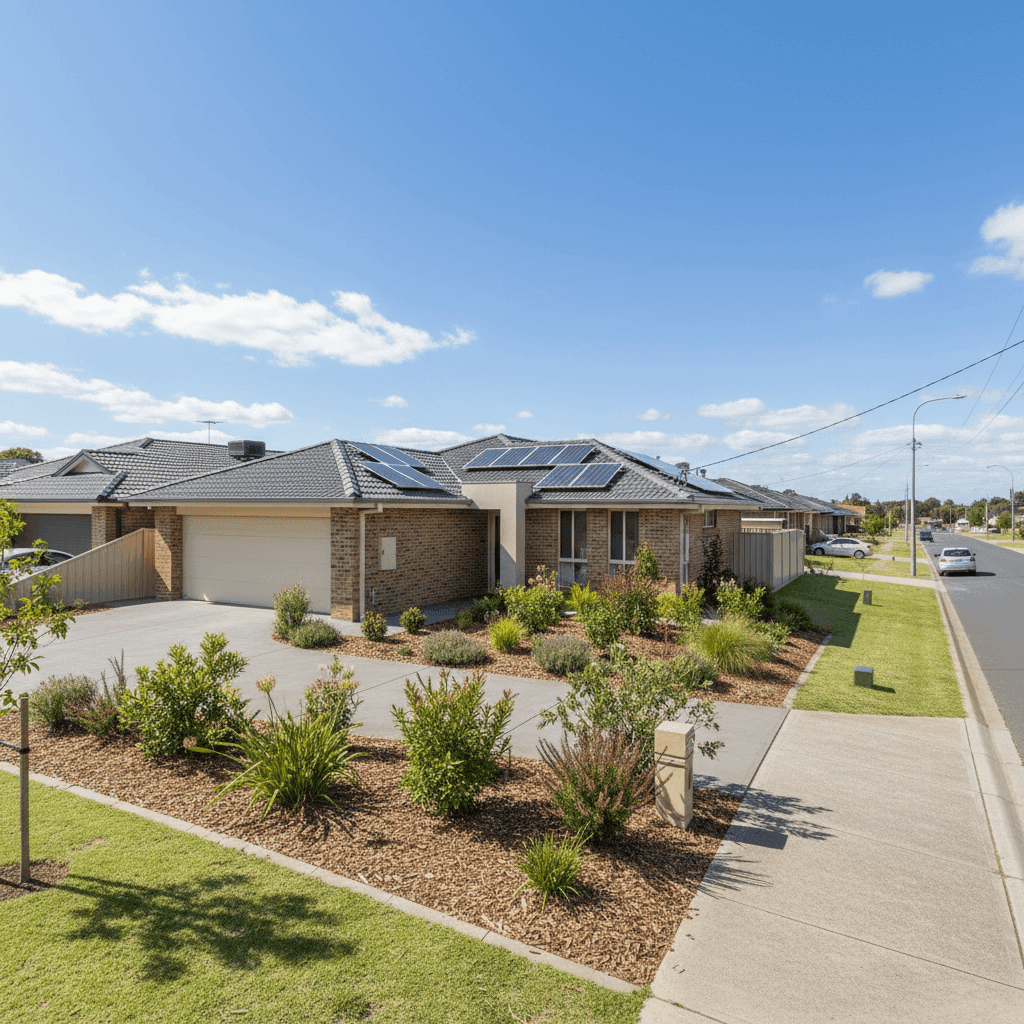
Thurgoona is a well-established residential suburb on the outskirts of Albury in southern New South Wales, popular with families drawn to its quiet streets, newer housing stock, and proximity to the border region's amenities. If you own a free standing home here, understanding what you should expect to pay for home and contents insurance — and whether a quote you've received is competitive — can save you hundreds of dollars a year.
This article breaks down a recent insurance quote for a 3-bedroom, 2-bathroom free standing home in Thurgoona (postcode 2640), compares it against local, state, and national benchmarks, and offers practical tips for homeowners in the area.
---
Is This Quote Fair?
The quote in question covers both building and contents under a combined Home and Contents policy, with:
- Building sum insured: $530,000
- Contents value: $120,000
- Annual premium: $1,162 (or $107/month)
- Building excess: $5,000
- Contents excess: $1,000
Our price rating for this quote is CHEAP — Below Average, meaning it sits well below what most comparable properties in Thurgoona are paying. That's a strong result for the homeowner.
To put it in perspective, the suburb average premium for Thurgoona is $2,816 per year, and the median sits at $2,179 per year. This quote at $1,162 annually comes in below even the 25th percentile of quotes in the area ($1,740/yr) — meaning it's cheaper than at least 75% of quotes sampled locally. That's a genuinely competitive outcome.
It's worth noting that the building excess on this policy is set at $5,000, which is relatively high. A higher excess is one of the most common levers insurers use to reduce premiums, so part of the savings here may reflect that trade-off. Homeowners should weigh whether they're comfortable covering the first $5,000 of any building claim out of pocket.
---
How Thurgoona Compares
Zooming out to a broader context helps illustrate just how affordable this quote is relative to the wider market.
| Benchmark | Annual Premium |
|---|---|
| This quote | $1,162 |
| Thurgoona suburb average | $2,816 |
| Thurgoona suburb median | $2,179 |
| Thurgoona 25th percentile | $1,740 |
| Snowy Valleys LGA average | $2,858 |
| NSW state average | $3,801 |
| NSW state median | $3,410 |
| National average | $2,965 |
| National median | $2,716 |
The gap between this quote and the NSW state average is striking — at $3,801 per year on average, NSW homeowners are paying more than three times what this policy costs. Even against the national average of $2,965, this quote represents a saving of over $1,800 annually.
Thurgoona itself is relatively affordable compared to the broader NSW market, likely reflecting its inland location away from coastal flood and storm surge risks, combined with newer housing stock. You can explore detailed premium data for the suburb at the Thurgoona insurance stats page, or compare it against the full NSW state overview and national benchmarks.
---
Property Features That Affect Your Premium
Several characteristics of this particular property work in the homeowner's favour from an insurance pricing perspective.
Brick Veneer Construction Brick veneer is one of the most common — and insurer-friendly — external wall materials in Australia. It offers solid fire resistance and durability, which typically translates to lower premiums compared to timber-framed or weatherboard homes.
Tiled Roof A tiled roof is generally regarded as low-to-moderate risk by insurers. Tiles are durable, non-combustible, and widely used across Australian suburban homes, making them a familiar and predictable risk to price.
Concrete Slab Foundation Slab foundations are standard in post-1990s construction and are considered stable and low-risk, particularly in areas without significant reactive soil or flood concerns. This home's 2000 construction date means it was built to modern building codes, which insurers tend to reward.
Solar Panels This property has solar panels installed. While solar adds value to the home, it can also add a small amount of complexity to insurance — panels need to be covered for storm damage, hail, and fire. Homeowners should confirm with their insurer that solar panels are explicitly included in the building sum insured and that the $530,000 figure adequately accounts for replacement costs including the solar system.
Standard Fittings Standard-grade fittings (as opposed to premium or luxury) keep replacement costs predictable and generally result in more competitive premiums. High-end kitchens and bathrooms can push building replacement costs — and therefore premiums — higher.
No Pool, No Cyclone Risk The absence of a swimming pool removes a common source of liability and maintenance claims. Thurgoona is also outside designated cyclone risk zones, which is a meaningful factor in keeping premiums lower compared to properties in northern Queensland or coastal NT.
---
Tips for Homeowners in Thurgoona
1. Review your building sum insured regularly Construction costs have risen significantly across Australia in recent years. A sum insured of $530,000 for a 169 sqm brick veneer home built in 2000 may be appropriate today, but it's worth recalculating every year or two using a building cost estimator to ensure you're not underinsured.
2. Understand your excess before you commit The $5,000 building excess on this policy is on the higher end. If your roof is damaged in a storm and repairs cost $6,000, you'd only receive $1,000 from your insurer. Consider whether a slightly higher premium with a lower excess might offer better value for your situation.
3. Confirm solar panel coverage explicitly Don't assume your solar system is automatically covered. Ask your insurer to confirm that panels are included under the building definition, and check whether accidental damage or inverter failure is covered.
4. Compare quotes at renewal — every year The insurance market shifts, and loyalty doesn't always pay. Even if your current premium is competitive, running a fresh comparison at renewal takes only a few minutes and could surface a better deal. Use CoverClub's free quote tool to benchmark your options without committing to anything.
---
Compare Your Home Insurance Today
Whether you're a first-time buyer in Thurgoona or a long-term homeowner wondering if you're overpaying, CoverClub makes it easy to compare home and contents insurance quotes from multiple insurers in one place. With suburb-level pricing data and transparent comparisons, you can see exactly where your quote sits in the market — and find a better deal if one exists. Get your free quote at CoverClub and make sure your home is protected at the right price.