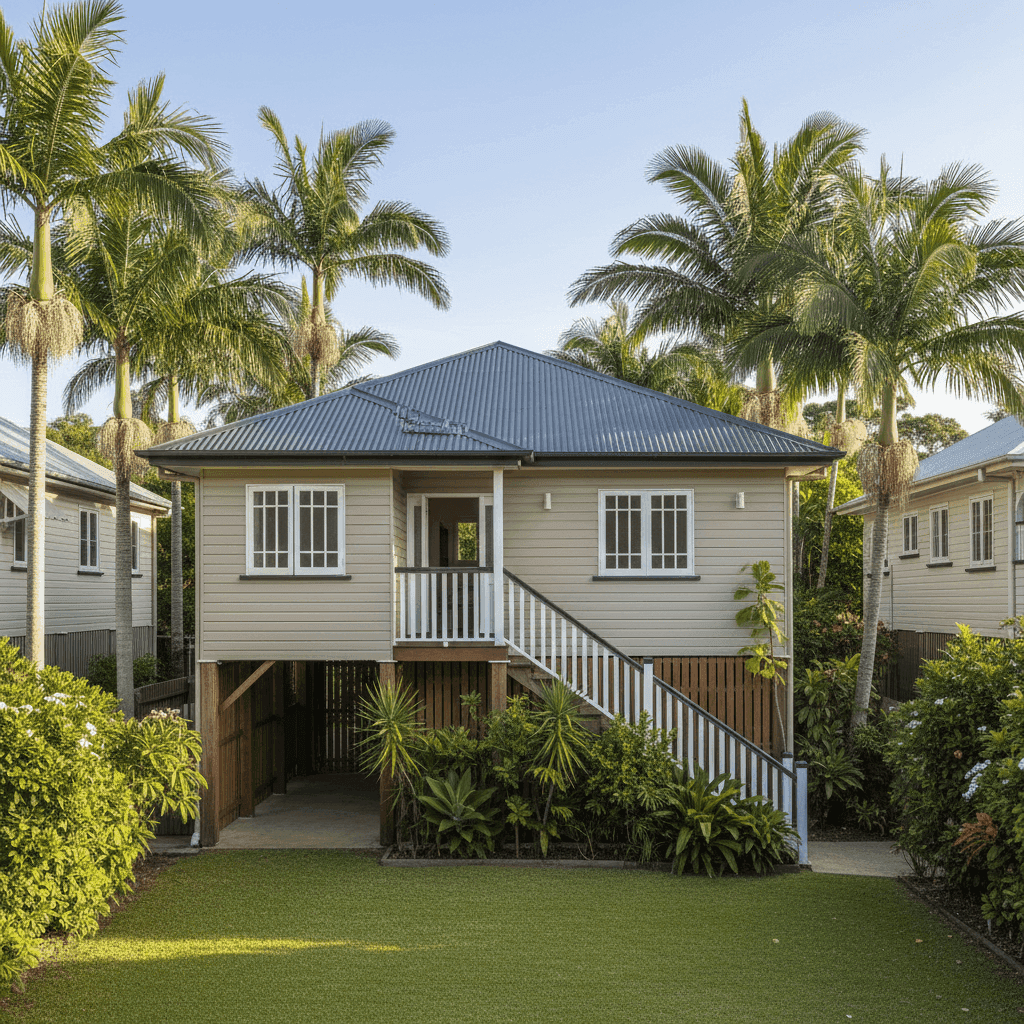
If you own a free standing home in Thuringowa Central, QLD 4817, you already know that insuring a property in North Queensland comes with its own set of considerations — cyclone exposure, tropical weather, and a market that can vary dramatically from one postcode to the next. This article breaks down a real home insurance quote for a 3-bedroom, 1-bathroom weatherboard home in the suburb, compares it against local, state, and national benchmarks, and offers practical guidance for homeowners looking to get the best value from their cover.
---
Is This Quote Fair?
The quote in question is $3,728 per year (or $359/month) for combined Home and Contents cover, with a building sum insured of $470,000 and contents valued at $30,000. The building excess sits at $1,000 and the contents excess at $500.
Our price rating for this quote is FAIR — Around Average, and the data backs that up. At $3,728 annually, this premium comes in below the suburb average of $4,055/yr and just under the suburb median of $4,001/yr for Thuringowa Central (postcode 4817). In practical terms, this homeowner is paying less than what most comparable properties in the area attract, which is a reasonably positive outcome — especially given the property's risk profile.
It's worth noting that the suburb's 25th percentile sits at $2,929/yr, meaning roughly a quarter of quotes in the area come in cheaper. There is room to potentially do better, but the gap isn't enormous, and the features of this particular property (more on those below) justify a premium that's somewhat above the cheapest options available locally.
---
How Thuringowa Central Compares
To put this quote in proper context, it helps to zoom out and look at the broader picture. Here's how the $3,728/yr premium stacks up across different comparison points:
| Comparison Point | Average Premium | Median Premium |
|---|---|---|
| Thuringowa Central (suburb) | $4,055/yr | $4,001/yr |
| Charters Towers LGA | $4,457/yr | — |
| Queensland (state) | $9,129/yr | $3,903/yr |
| National | $5,347/yr | $2,764/yr |
A few things stand out here. The Queensland state average of $9,129/yr is extraordinarily high — but this is heavily skewed by extremely expensive premiums in high-risk coastal and cyclone-prone areas across the state. The QLD median of $3,903/yr is far more representative of what most Queenslanders actually pay, and this quote sits just slightly above that figure.
Compared to the national average of $5,347/yr, this premium looks quite reasonable. However, the national median of $2,764/yr is notably lower — a reflection of the fact that properties in lower-risk states like Victoria and South Australia tend to pull national averages down. Homeowners in North Queensland are almost always going to pay more than the national median simply due to geography and climate risk.
Within the Charters Towers LGA, the average sits at $4,457/yr, so this quote again comes in below that local benchmark — a good sign for the policyholder.
---
Property Features That Affect Your Premium
Several characteristics of this property have a meaningful influence on the premium being quoted. Understanding these factors can help you make informed decisions when reviewing your cover.
Cyclone Risk Area This is arguably the single biggest driver of insurance costs for this property. Thuringowa Central falls within a designated cyclone risk zone, which significantly increases the likelihood of a major weather event causing structural damage. Insurers price this risk carefully, and it's the primary reason premiums in North Queensland tend to run higher than the national median.
Weatherboard Timber Construction External walls constructed from weatherboard wood are considered a higher-risk building material compared to brick or rendered masonry. Timber is more susceptible to fire, moisture damage, and termite activity, all of which factor into an insurer's risk assessment. Homeowners with timber-clad properties should ensure their sum insured accurately reflects the cost of rebuilding with equivalent materials.
Elevated Foundation (At Least 1 Metre) The property being elevated by at least one metre is actually a positive feature from an insurance perspective. Raised homes — a common design in Queensland — offer better protection against flood and storm surge inundation. This can help offset some of the cyclone risk premium, and in some cases insurers will reflect this in their pricing.
Steel/Colorbond Roof A Colorbond steel roof is generally viewed favourably by insurers. It's durable, wind-resistant (up to a point), and performs well in tropical conditions compared to older tile or fibrous cement roofing. This is a neutral-to-positive factor in the premium calculation.
Ducted Climate Control The presence of ducted climate control adds to the replacement value of the home and is factored into the building sum insured. It's a relatively minor influence on the premium but worth noting when reviewing your coverage limits.
Construction Year: 1982 At over 40 years old, this home predates several modern building code improvements, including updated cyclone tie-down standards introduced after Cyclone Tracy in 1974 and further refined in subsequent decades. Older homes may carry slightly higher risk ratings, though the elevated slab foundation and Colorbond roof help mitigate some concerns.
---
Tips for Homeowners in Thuringowa Central
1. Review Your Building Sum Insured Annually Construction costs in Queensland have risen sharply in recent years. A $470,000 sum insured may have been accurate when the policy was first taken out, but it's worth checking against current rebuild cost estimates — particularly for a weatherboard home where materials and labour costs have increased significantly. Being underinsured is one of the most common and costly mistakes homeowners make.
2. Consider a Higher Excess to Reduce Your Premium If your current financial position allows you to absorb a larger out-of-pocket cost in the event of a claim, opting for a higher excess can meaningfully reduce your annual premium. Given that the building excess here is $1,000, there may be room to increase this and bring the annual cost down closer to the suburb's 25th percentile.
3. Ask About Cyclone Mitigation Discounts Some insurers offer premium reductions for homes that have undergone structural improvements to better withstand cyclone conditions — such as roof tie-down retrofitting or upgraded window and door seals. It's worth asking your insurer directly whether any such discounts apply to your property.
4. Compare Quotes at Renewal Time The insurance market in North Queensland is competitive, and premiums can vary substantially between providers for identical properties. Don't simply auto-renew — use a comparison tool to check whether better value is available before your policy lapses. Even a modest saving of $300–$500 per year compounds significantly over time.
---
Ready to Compare?
Whether you're renewing your existing policy or shopping for cover for the first time, comparing quotes is the smartest way to ensure you're not overpaying. Head to CoverClub to get a home insurance quote tailored to your property in Thuringowa Central — it only takes a few minutes, and you might be surprised by what's available.