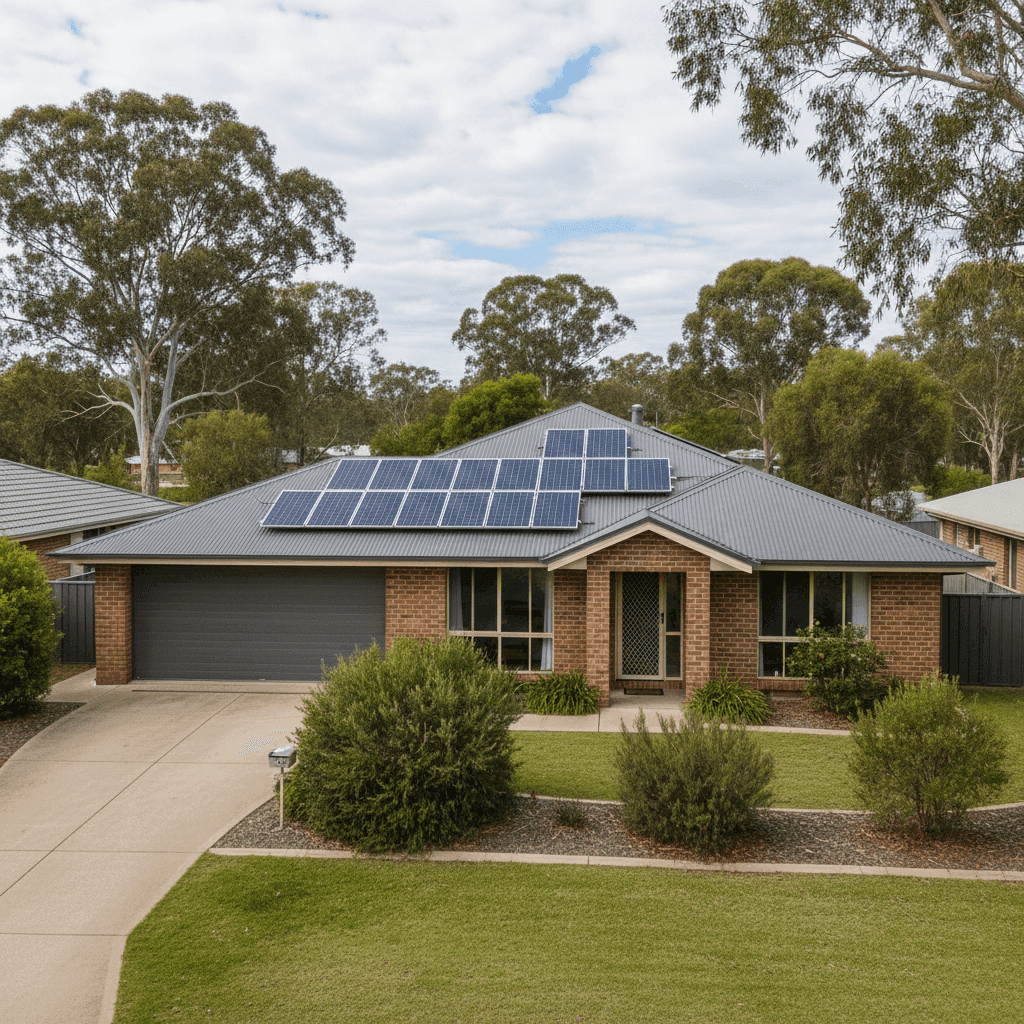
If you own a free standing home in Tinana, QLD 4650, you're probably well aware that home insurance in regional Queensland can be a mixed bag. Premiums in this part of the state can swing dramatically depending on your property's age, construction, and proximity to flood-prone areas. This article breaks down a real home and contents insurance quote for a 3-bedroom, 1-bathroom brick veneer home in Tinana — and helps you understand whether it represents genuine value or whether there's room to do better.
---
Is This Quote Fair?
The short answer: yes, and then some.
This quote came in at $2,186 per year (or roughly $215 per month), covering both building and contents — with a building sum insured of $444,000 and $50,000 in contents cover. CoverClub rates this quote as CHEAP, meaning it sits below the average for the area.
To put that in perspective, the suburb average premium in Tinana is $4,305 per year, and the median sits at $3,044. This quote is comfortably below both benchmarks, landing just under the 25th percentile of $2,227 — meaning fewer than 25% of comparable quotes in the area come in this low. That's a strong result by any measure.
The $500 excess on both building and contents is also reasonable and standard for the market. A lower excess would push the premium up, while a higher one could reduce it further — but $500 strikes a sensible balance for most homeowners.
---
How Tinana Compares
Tinana sits within the Gympie LGA, and insurance costs in this region reflect the broader challenges of insuring property in regional Queensland. Here's how the numbers stack up:
| Benchmark | Annual Premium |
|---|---|
| This Quote | $2,186 |
| Tinana Suburb Average | $4,305 |
| Tinana Suburb Median | $3,044 |
| Tinana 25th Percentile | $2,227 |
| Gympie LGA Average | $3,828 |
| QLD State Average | $4,547 |
| QLD State Median | $3,931 |
| National Average | $2,965 |
| National Median | $2,716 |
A few things stand out here. First, Queensland's average premium of $4,547 is significantly higher than the national average of $2,965 — a gap that reflects the elevated risk profile of many Queensland properties, including flood exposure, storm damage, and historically high insurer losses in the state.
Second, even compared to the national median of $2,716, this quote is cheaper. That's notable for a Queensland property, where premiums routinely exceed national norms.
You can explore how Tinana compares to the rest of the state on our Tinana suburb stats page, or take a broader look at QLD home insurance data and national benchmarks.
> Note: The suburb sample size for Tinana is 16 quotes, so while directionally useful, these figures should be interpreted with some caution. A larger sample would provide even greater confidence.
---
Property Features That Affect Your Premium
Several characteristics of this property likely contribute to its competitive premium. Let's unpack the key ones:
Brick Veneer Walls
Brick veneer is one of the more insurer-friendly wall types in Australia. It offers solid fire resistance and reasonable structural durability, which typically translates to lower premiums compared to timber or weatherboard construction — both of which are more common in older Queensland homes and carry higher replacement costs.
Steel / Colorbond Roof
A Colorbond roof is another tick in the right column. Steel roofing is durable, cyclone-resistant (to a degree), and less susceptible to water ingress than older tile or fibrous cement roofing. Insurers generally view it favourably, particularly in areas with storm exposure.
Slab Foundation
A concrete slab foundation is generally considered lower risk than raised timber stumps, which can deteriorate over time and are more vulnerable to termite damage and subsidence. Slab homes tend to attract more competitive premiums.
Construction Year: 1979
At roughly 45 years old, this home is older — and age does matter to insurers. Older properties may have ageing electrical wiring, plumbing, and structural components that can increase the likelihood of a claim. However, this appears to have been priced in appropriately here, given the overall competitiveness of the quote.
Solar Panels
The presence of solar panels adds a modest layer of complexity to the insured risk — panels need to be covered for storm or hail damage — but most standard home insurance policies include them under building cover. It's worth confirming with your insurer that the panels are explicitly included and that the sum insured accounts for their replacement value.
No Pool, No Ducted Climate Control
The absence of a pool removes a common liability exposure, while no ducted climate control means fewer mechanical systems that could malfunction or require replacement. Both factors help keep the premium lean.
Tile Flooring, Standard Fittings
Tiled flooring and standard-quality fittings keep the contents and building replacement costs at a reasonable level. High-end finishes or specialty flooring can push up the sum insured — and therefore the premium.
---
Tips for Homeowners in Tinana
Whether you're reviewing your existing policy or shopping for the first time, here are four practical tips tailored to homeowners in Tinana:
- Check your flood cover carefully. Parts of the Fraser Coast and Gympie regions have experienced significant flood events. Even if your specific street isn't in a designated flood zone, it's worth confirming whether your policy includes flood cover — and understanding exactly what triggers a flood claim versus a storm damage claim. These are legally distinct under Australian insurance law.
- Review your sum insured annually. With construction costs rising sharply in Queensland over recent years, the cost to rebuild a home has increased significantly. Make sure your $444,000 building sum insured reflects current rebuild costs — not what it would have cost five years ago. Underinsurance is one of the most common and costly mistakes Australian homeowners make.
- Confirm your solar panels are covered. Ask your insurer explicitly whether your solar panels are included under the building sum insured, and whether they're covered for accidental damage, storm, and hail. Some policies exclude them or cap the payout.
- Shop around at renewal time. This quote is already well-priced, but premiums can shift significantly year to year. Insurers often reserve their best rates for new customers, meaning loyal policyholders can end up overpaying. Use a comparison tool like CoverClub to benchmark your renewal quote before accepting it.
---
Ready to Compare Your Own Quote?
Whether you're a Tinana local or just researching home insurance options in regional Queensland, CoverClub makes it easy to see how your quote stacks up. Enter your property details at coverclub.com.au to get an instant comparison and find out if you're paying a fair price — or leaving money on the table.