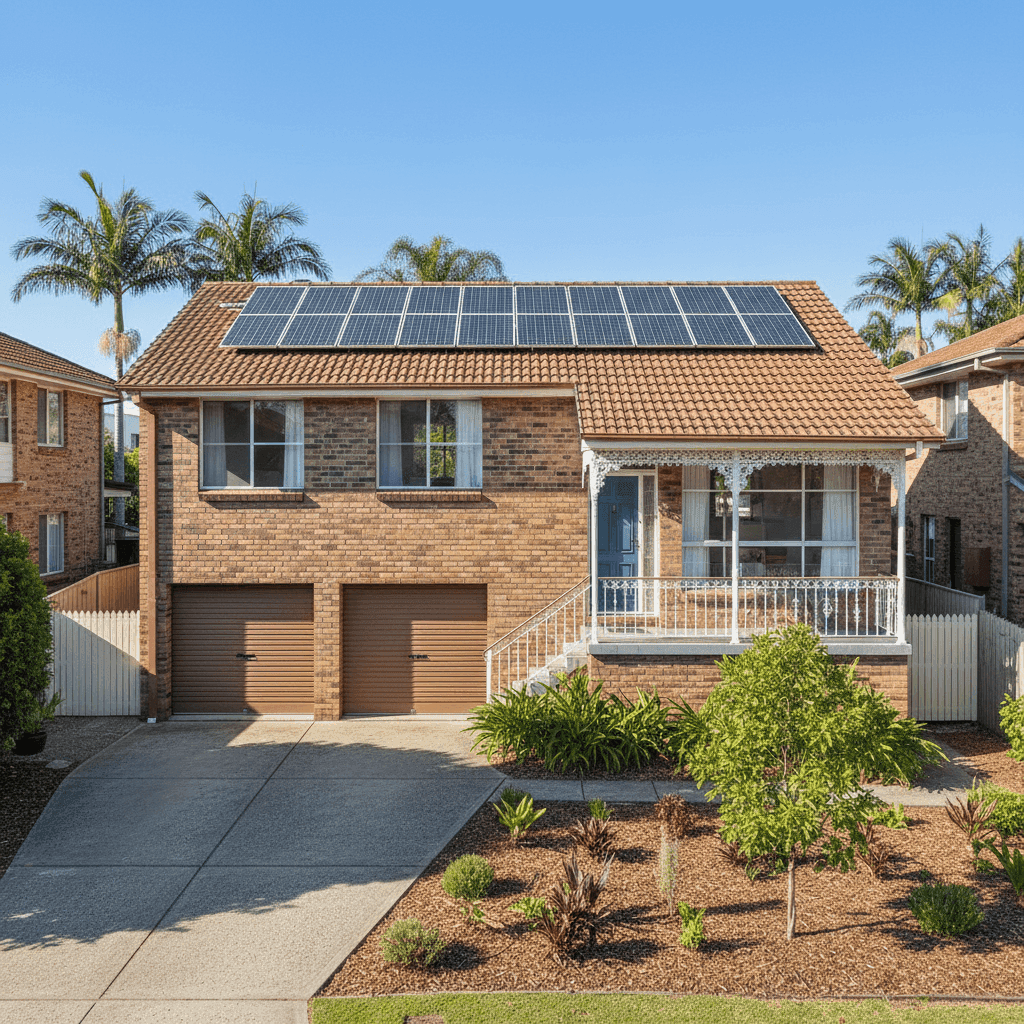
If you own a free standing home in Tingalpa, QLD 4173, you've probably noticed that home insurance premiums in South-East Queensland can vary wildly — and not always in your favour. This article takes a close look at a real home and contents insurance quote for a three-bedroom, two-bathroom brick veneer home in Tingalpa, breaking down what's driving the cost and how it stacks up against local, state, and national benchmarks.
---
Is This Quote Fair?
The quote in question comes in at $15,980 per year (or $1,531/month) for combined home and contents cover, with a building sum insured of $388,000 and contents valued at $50,000. Both the building and contents excesses are set at $500.
Our price rating for this quote is Expensive — Above Average.
To put that in perspective: the suburb average for Tingalpa sits at just $3,500 per year, with a median of $2,803. That means this quote is running at roughly 4.5 times the suburb median — a significant gap that warrants a closer look.
That said, it's worth noting that the Brisbane LGA average — which encompasses Tingalpa — is $16,277 per year, so this quote is actually sitting just below that local government area benchmark. This tells us that while the quote is expensive relative to many Tingalpa properties, it's not entirely out of step with what some Brisbane homeowners are paying, particularly those with older homes or higher rebuild values.
---
How Tingalpa Compares
Understanding where a premium sits in the broader market is essential before accepting any quote. Here's how the numbers stack up:
| Benchmark | Premium |
|---|---|
| This Quote | $15,980/yr |
| Tingalpa Suburb Average | $3,500/yr |
| Tingalpa Suburb Median | $2,803/yr |
| Tingalpa 25th Percentile | $2,001/yr |
| Tingalpa 75th Percentile | $4,012/yr |
| QLD State Average | $9,129/yr |
| QLD State Median | $3,903/yr |
| National Average | $5,347/yr |
| National Median | $2,764/yr |
| Brisbane LGA Average | $16,277/yr |
(Suburb data based on a sample of 37 quotes. View full [Tingalpa suburb stats](https://coverclub.com.au/stats/QLD/4173/tingalpa), [QLD state stats](https://coverclub.com.au/stats/QLD), or [national stats](https://coverclub.com.au/stats/national).)
Even compared to the Queensland state average of $9,129 — which is already elevated due to cyclone, flood, and storm risk across much of the state — this quote is nearly double. And against the national average of $5,347, it's almost three times higher.
The wide spread between Tingalpa's 25th percentile ($2,001) and 75th percentile ($4,012) suggests there's meaningful variation in what locals are paying, likely driven by differences in property age, construction type, sum insured, and individual insurer risk assessments. This quote, however, sits well beyond even the top quartile for the suburb.
---
Property Features That Affect Your Premium
Several characteristics of this property are likely influencing the premium — some pushing it up, others potentially keeping it in check.
Age of Construction (1973)
Built in 1973, this home is over 50 years old. Older properties typically attract higher premiums because ageing electrical wiring, plumbing, and roofing infrastructure carry a greater risk of failure or damage. Insurers often price this risk into the base rate, particularly for homes approaching or exceeding the half-century mark.
Brick Veneer Walls and Tiled Roof
Brick veneer construction is generally viewed favourably by insurers — it's more resistant to fire and wind damage than lightweight cladding. Similarly, a tiled roof is considered durable and low-maintenance. These features may be helping to moderate what could otherwise be an even higher premium.
Slab Foundation
A concrete slab foundation is standard for Queensland homes of this era and is generally considered a neutral to positive factor from an insurance perspective, offering good structural stability.
Timber and Laminate Flooring
Timber and laminate floors can be more susceptible to water damage than tiles, which may contribute marginally to the contents or building risk assessment — particularly in a region prone to heavy summer storms.
Solar Panels
This property has solar panels installed. While solar is great for energy bills, it does add to the insurer's replacement cost calculation. Panels can be damaged by hail or storm events, and their inclusion in the sum insured can nudge premiums upward.
Ducted Climate Control
Ducted air conditioning systems are a significant fixed asset and can be costly to repair or replace. Their presence contributes to the overall building sum insured and may influence the premium accordingly.
Building Size (139 sqm) and Sum Insured ($388,000)
At 139 sqm, this is a modest-sized home, but the $388,000 building sum insured reflects current rebuild costs — which have risen sharply across Australia in recent years due to labour shortages and elevated construction material prices. A higher sum insured directly increases the premium.
---
Tips for Homeowners in Tingalpa
If you're looking to bring your premium back in line with what others in the suburb are paying, here are some practical steps worth considering:
- Shop around and compare multiple quotes. The single biggest lever you have is not accepting the first quote you receive. Premiums for the same property can vary by thousands of dollars between insurers. Use a comparison platform like CoverClub to see what other providers are offering.
- Review your sum insured carefully. It's important not to underinsure — but it's equally worth ensuring your building sum insured accurately reflects the cost to rebuild (not the market value of your home). An independent building cost estimator can help you land on a more precise figure.
- Consider a higher excess. Opting for a higher excess (say, $1,000 instead of $500) can meaningfully reduce your annual premium. If you have the financial buffer to cover a larger out-of-pocket cost in the event of a claim, this can be a smart trade-off.
- Ask about discounts for security and safety features. Some insurers offer reductions for homes with monitored alarm systems, deadbolts, or other security upgrades. It's worth asking each insurer directly what discounts may apply to your property.
---
Ready to Find a Better Deal?
A quote of nearly $16,000 per year is a significant household expense — and the data suggests there may be room to pay considerably less. Whether you're renewing your policy or shopping for the first time, comparing quotes is the fastest way to find out if you're overpaying.
Get a home insurance quote for your Tingalpa property at CoverClub and see how your premium compares to your neighbours in seconds.