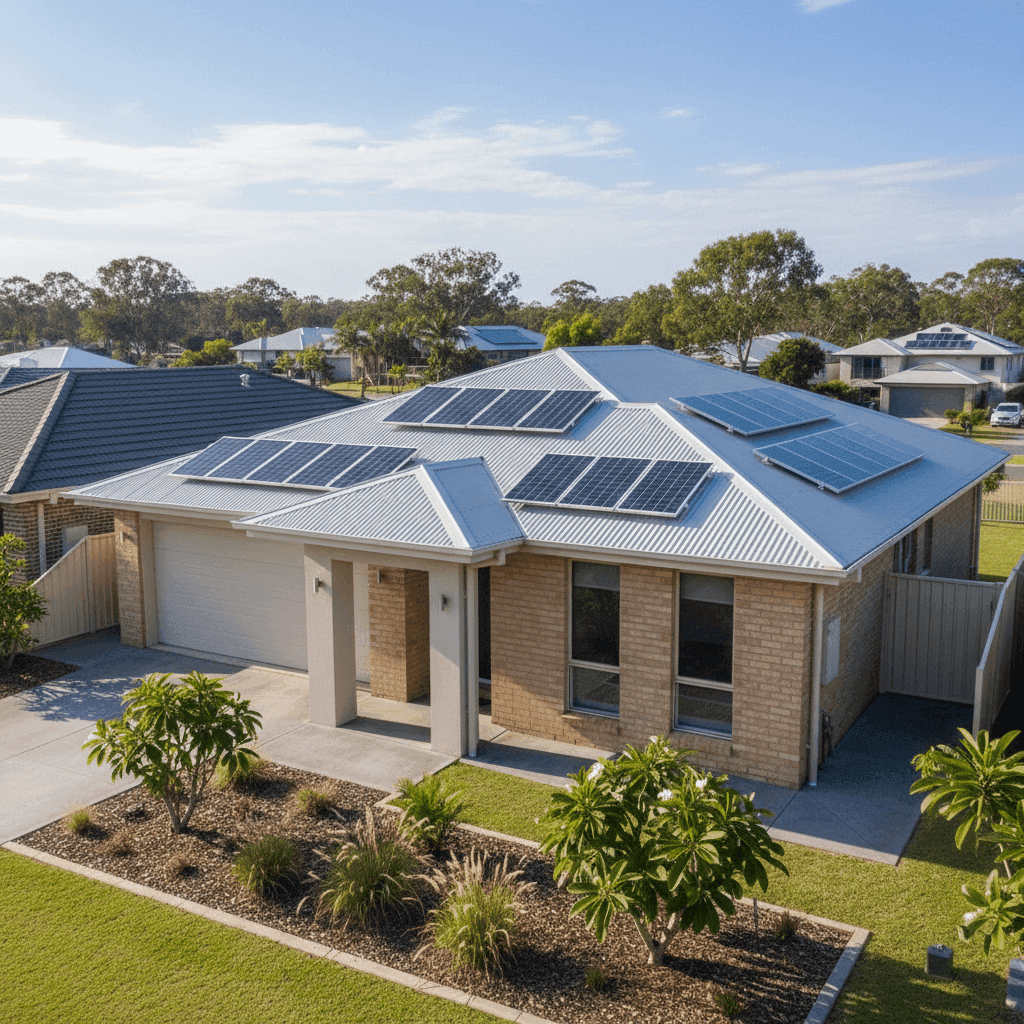
If you own a free standing home in Toogoom, QLD 4655, you're likely aware that insurance costs across coastal Queensland can vary enormously. This article breaks down a real home and contents insurance quote for a 3-bedroom, 2-bathroom brick veneer home in Toogoom — and puts it into context against what other homeowners in the suburb, across Queensland, and nationally are paying.
Whether you're shopping around for the first time or reviewing your existing policy, understanding the numbers can help you make a more confident decision.
---
Is This Quote Fair?
The quote in question comes in at $1,746 per year (or $171 per month) for combined home and contents cover, with a building sum insured of $412,000 and contents valued at $101,000. The building excess is $1,000 and the contents excess is $2,000.
Our price rating for this quote? Cheap — below average. That's a genuinely positive result, particularly for a Queensland coastal property where premiums can be eye-watering.
To put it plainly: this quote sits well below what most comparable homeowners in Toogoom are paying. The suburb average for Toogoom sits at $4,764 per year, meaning this quote is roughly 63% cheaper than the typical price in the area. Even compared to the suburb's 25th percentile — the cheapest quarter of quotes — which sits at $3,318 per year, this result is still significantly lower.
For a homeowner in coastal Queensland, landing a premium under $2,000 for home and contents cover is a strong outcome.
---
How Toogoom Compares
Toogoom is a small coastal locality within the Fraser Coast region, and like much of regional Queensland, it carries insurance risk factors that push premiums higher than many southern states. That makes this quote all the more noteworthy.
Here's how the numbers stack up:
| Benchmark | Annual Premium |
|---|---|
| This Quote | $1,746 |
| Toogoom Suburb Average | $4,764 |
| Toogoom Suburb Median | $4,232 |
| Toogoom 25th Percentile | $3,318 |
| Toogoom 75th Percentile | $5,180 |
| QLD State Average | $9,129 |
| QLD State Median | $3,903 |
| National Average | $5,347 |
| National Median | $2,764 |
(Based on 42 quotes sampled for the Toogoom area)
It's worth noting the significant gap between Queensland's average ($9,129) and its median ($3,903). This tells us that a relatively small number of very high-risk or high-value properties are pulling the state average upward considerably. The Queensland state insurance data reflects the outsized impact of cyclone-prone and flood-affected regions across the state.
At a national level, the average premium of $5,347 is also skewed by high-cost regions, while the national median of $2,764 gives a more realistic picture of what the typical Australian homeowner pays. This quote comes in below even the national median — an impressive result for a Queensland property.
---
Property Features That Affect Your Premium
Several characteristics of this property likely contribute to its competitive premium. Let's look at the key factors:
Brick Veneer Construction
Brick veneer external walls are generally viewed favourably by insurers. They offer solid fire resistance and structural durability compared to timber or weatherboard alternatives, which can translate to lower rebuild risk and, in turn, lower premiums.
Steel / Colorbond Roof
A Colorbond steel roof is a popular choice across Queensland for good reason — it's durable, low-maintenance, and performs well in high-wind conditions. Insurers tend to rate metal roofing positively, especially in areas with storm exposure.
Concrete Slab Foundation
A slab foundation is considered one of the more stable and lower-risk foundation types. Unlike homes on stumps or piers, slab homes have fewer vulnerabilities to flooding beneath the structure and are generally straightforward to assess for rebuild costs.
Built in 1993
Homes from the early 1990s sit in a reasonably comfortable zone for insurers — old enough to have settled construction costs, but built under modern enough standards to avoid the higher risk profiles sometimes associated with pre-1970s homes.
Solar Panels
This property has solar panels installed. While solar adds value to a home, it does introduce a small amount of additional risk (primarily from electrical faults or storm damage to panels). Most insurers factor this in, though the impact on premium is typically modest. It's important to confirm with your insurer that your solar system is explicitly covered under your building policy.
No Pool, No Ducted Climate Control
The absence of a swimming pool removes a meaningful liability and maintenance risk that insurers price for. Similarly, no ducted climate control system means fewer mechanical components that could fail or cause water damage — both factors that can keep premiums lower.
Not in a Cyclone Risk Zone
Despite being in Queensland, this property is not classified as being in a cyclone risk area — a significant factor. Cyclone-rated premiums in parts of North Queensland can be dramatically higher, so this classification is a meaningful advantage for Toogoom homeowners in this part of the Fraser Coast.
---
Tips for Homeowners in Toogoom
Even with a competitive quote, there are always ways to protect your coverage and potentially reduce costs further.
- Review your sum insured annually. Building costs have risen significantly in recent years. Make sure your $412,000 building sum insured still reflects what it would actually cost to rebuild your home today — underinsurance is a common and costly mistake.
- Confirm solar panel coverage. Ask your insurer specifically whether your solar panels — including inverters and mounting hardware — are covered under the building section of your policy. Some policies have exclusions or sub-limits that catch homeowners off guard.
- Consider your excess strategically. This policy carries a $2,000 contents excess, which is on the higher side. A higher excess generally lowers your premium, but make sure you're comfortable covering that amount out of pocket if you need to make a claim. Review whether the trade-off still makes sense for your situation.
- Compare at renewal time. Even a cheap quote can become less competitive over time as insurers adjust their pricing. Set a reminder to compare quotes before your renewal date each year — it takes very little time and can save hundreds of dollars.
---
Ready to Compare Home Insurance in Toogoom?
Whether this quote is yours or you're simply benchmarking what's possible, the data is clear: there's a wide range of prices available for home and contents cover in Toogoom — and the difference between the cheapest and most expensive quotes can be thousands of dollars per year.
CoverClub makes it easy to compare. Get a home insurance quote today and see how your premium stacks up against real data from your suburb, your state, and across Australia. You might be surprised at what you find.