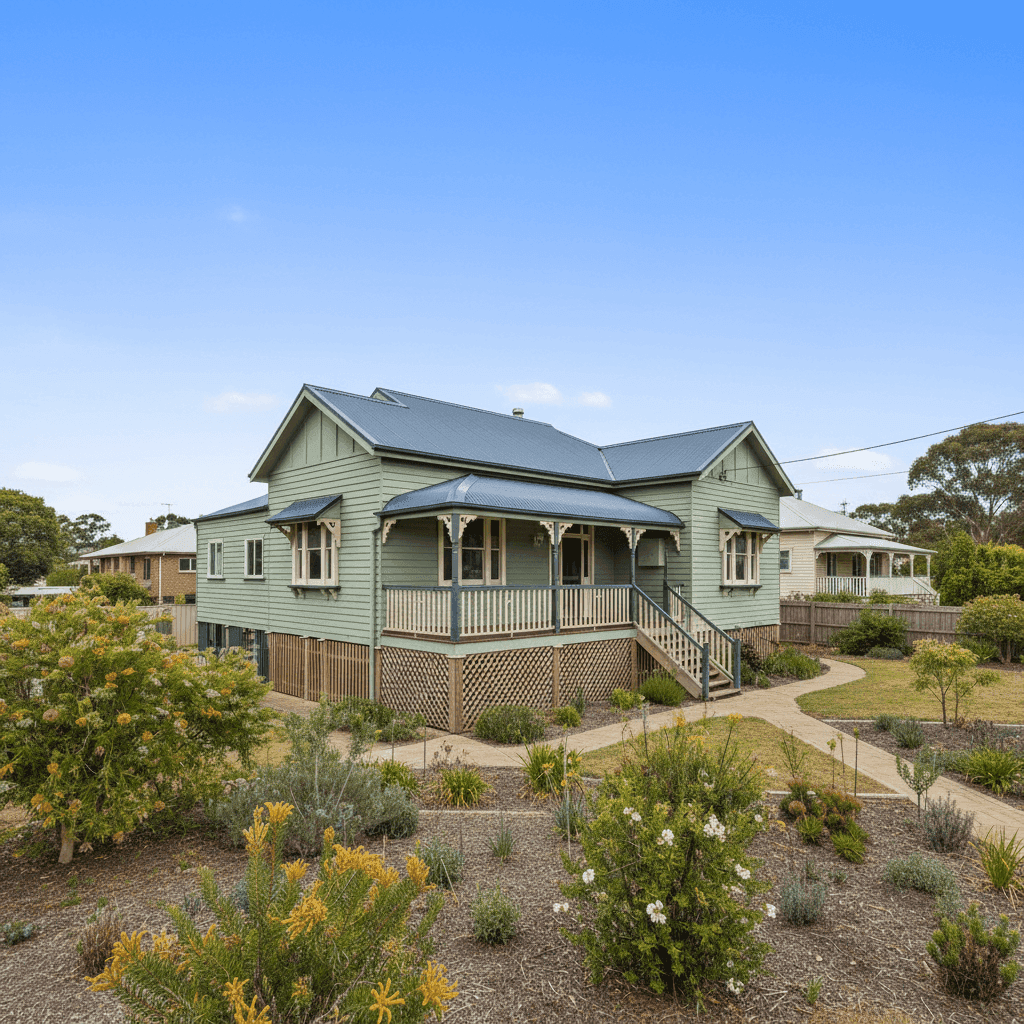
If you own a free standing home in Toora, VIC 3962, understanding what you should be paying for home and contents insurance is a smart first step toward protecting your biggest asset — without overpaying for it. Toora is a quiet rural township in South Gippsland, and like many regional Victorian properties, homes here carry a unique mix of risk factors and characteristics that insurers weigh carefully when calculating your premium. This article breaks down a real quote for a 3-bedroom weatherboard home in the area, compares it against local, state and national benchmarks, and offers practical tips to help you get better value.
---
Is This Quote Fair?
The quote in question comes in at $2,478 per year (or $238/month) for combined home and contents cover, with a building sum insured of $523,000 and contents valued at $50,000. Both the building and contents excess are set at $1,000.
Based on our pricing data, this quote is rated Expensive — above the suburb average. Here's what that means in context:
- The suburb average for Toora (postcode 3962) is $1,968/yr, and the median sits at $1,822/yr
- This quote is approximately $510 above the suburb average and $656 above the median
- It sits just above the 75th percentile for the suburb ($2,404/yr), meaning it's pricier than roughly three-quarters of quotes we've seen in this area
That said, "expensive" is relative. The building sum insured of $523,000 is a significant coverage amount for a 130 sqm home — and the cost of rebuilding in regional Victoria has risen sharply in recent years due to labour and materials inflation. The higher sum insured alone can push a premium above the local average, particularly when paired with an older construction date.
---
How Toora Compares
To put this quote into broader perspective, it helps to look at how Toora stacks up against Victorian averages and national benchmarks.
| Benchmark | Average Premium | Median Premium |
|---|---|---|
| Toora (3962) | $1,968/yr | $1,822/yr |
| Victoria (VIC) | $3,000/yr | $2,718/yr |
| National | $5,347/yr | $2,764/yr |
| Wellington LGA | $4,409/yr | — |
A few things stand out here. First, Toora premiums are meaningfully lower than the Victorian state average — good news for locals. The state average of $3,000/yr reflects the influence of higher-risk postcodes across Victoria, including bushfire-prone areas and flood-affected regions. Toora benefits from not being classified as a cyclone risk zone, which keeps a lid on premiums compared to Queensland or northern WA.
Second, the Wellington LGA average of $4,409/yr is notably higher than Toora's suburb average, suggesting that some postcodes within the same local government area carry significantly greater risk. This could relate to flood plains, bushfire exposure, or property age in other parts of Wellington.
Finally, the national average of $5,347/yr is heavily skewed by high-risk and high-value properties in coastal and disaster-prone areas. The national median of $2,764/yr is a more useful comparison point — and this quote of $2,478/yr actually sits below that figure, which softens the "expensive" rating somewhat in a broader context.
You can explore detailed pricing data for this postcode at our Toora suburb stats page.
---
Property Features That Affect Your Premium
Several characteristics of this property have a direct bearing on what insurers charge. Understanding them can help you have more informed conversations with providers.
Weatherboard Timber Walls
Weatherboard construction is extremely common in regional Victoria, particularly in homes built pre-1970. While charming and often well-insulated, timber-framed homes are generally considered higher risk by insurers compared to brick veneer or full brick construction. They're more susceptible to fire spread and can be more expensive to repair or replace on a like-for-like basis.
Steel / Colorbond Roof
A Colorbond roof is generally viewed favourably by insurers. It's durable, low-maintenance, and performs well in high-wind events. Compared to older terracotta or asbestos cement sheeting, Colorbond is a positive factor that can help moderate your premium.
Stump Foundation
Homes on stumps — common in older Victorian builds — can be more vulnerable to movement, moisture ingress, and pest damage over time. Insurers may factor in the additional complexity of repairs to stump-based structures, particularly for older homes like this one (built circa 1950).
Age of Construction (1950)
A 1950s build is over 70 years old. Older homes often have ageing plumbing, electrical wiring, and structural elements that increase the likelihood of a claim. This is one of the more significant premium drivers for this property type.
Ducted Climate Control
The presence of ducted heating or cooling adds to the insured value of the home's fixtures and fittings, which can nudge the premium upward slightly. It's worth confirming this is accurately reflected in your sum insured.
No Pool, No Solar
The absence of a pool and solar panels removes two common sources of additional liability and equipment risk, which is a minor premium-positive factor.
---
Tips for Homeowners in Toora
If you're looking to ensure you're getting fair value on your home insurance, here are four practical steps worth taking:
- Review your sum insured annually. Building costs in regional Victoria have risen significantly. Make sure your sum insured reflects the actual cost to rebuild — not the market value of the land. Underinsurance is a serious and common problem, but overinsurance means you're paying more than necessary. Use a building cost calculator to check your figure.
- Ask about discounts for security and safety upgrades. Installing smoke alarms, deadbolts, or a monitored alarm system can earn discounts with many insurers. Given the age of this home, ensuring fire safety compliance is both a safety imperative and a potential premium lever.
- Compare quotes before renewal. Insurers often reserve their best pricing for new customers. Don't assume your renewal offer is competitive — get a fresh quote at CoverClub to see what else is available for your property.
- Consider your excess strategy. This policy carries a $1,000 excess on both building and contents. Opting for a higher excess (say, $2,000) can reduce your annual premium, which makes sense if you have a solid emergency fund and are unlikely to make small claims.
---
Compare Your Options with CoverClub
Whether you're reviewing an existing policy or shopping for the first time, CoverClub makes it easy to see how your quote stacks up. Our suburb-level pricing data gives you real benchmarks — not guesswork — so you can walk into any insurance conversation with confidence. Get a home insurance quote today and find out if you could be paying less for the same level of cover.