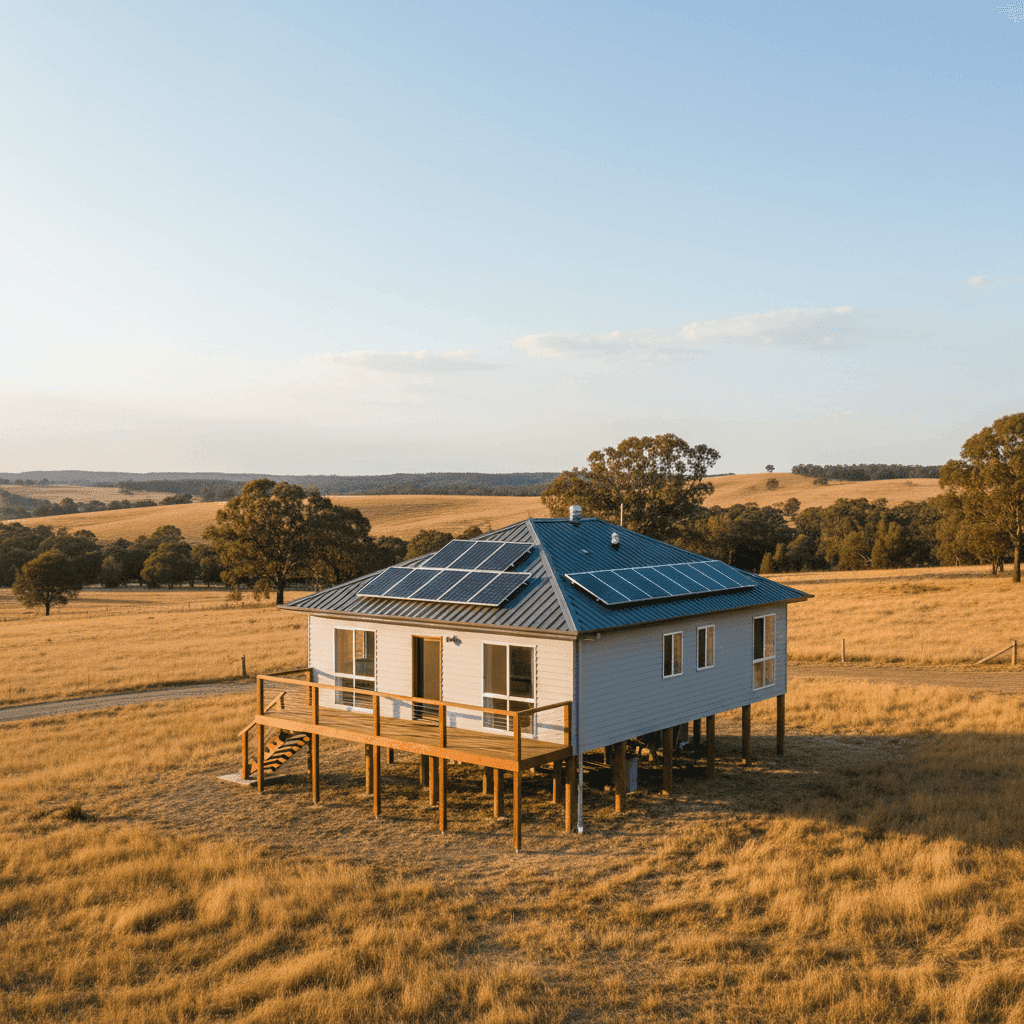
If you own a free standing home in Tooraweenah, NSW 2817, you're likely no stranger to the challenges of insuring a rural property. Nestled in the Gilgandra local government area of central-western New South Wales, Tooraweenah is a quiet township where property values and insurance dynamics can differ significantly from the big city. This article breaks down a real home and contents insurance quote for a three-bedroom home in the area, benchmarks it against local, state and national data, and offers practical guidance for homeowners looking to get the best value from their cover.
---
Is This Quote Fair?
The quote in question sits at $2,227 per year (or $213/month) for a combined home and contents policy, covering a building sum insured of $410,000 and contents valued at $100,000, each with a $1,000 excess.
Our pricing analysis rates this quote as EXPENSIVE — above average for the Tooraweenah area. Here's what the numbers say:
| Benchmark | Premium |
|---|---|
| This quote | $2,227/yr |
| Suburb median (Tooraweenah) | $1,717/yr |
| Suburb average | $2,375/yr |
| Suburb 75th percentile | $1,955/yr |
At $2,227, this quote sits above the suburb's 75th percentile of $1,955, meaning it's more expensive than roughly three-quarters of comparable quotes in the area. While it does fall below the suburb average of $2,375 — which can be skewed upward by high-value outliers — the more reliable benchmark is the median of $1,717, against which this quote represents a 30% premium loading.
That said, the quote isn't wildly out of step with what some Tooraweenah homeowners pay. The spread between the 25th percentile ($1,458) and the 75th percentile ($1,955) tells us there's meaningful variation in the market, and factors specific to this property — explored below — go some way toward explaining the higher price.
---
How Tooraweenah Compares
To put this quote in broader context, it's worth zooming out to NSW-wide insurance data and national benchmarks.
| Geography | Average Premium | Median Premium |
|---|---|---|
| Tooraweenah (2817) | $2,375/yr | $1,717/yr |
| NSW | $9,528/yr | $3,770/yr |
| Australia (National) | $5,347/yr | $2,764/yr |
| Gilgandra LGA | $11,408/yr | — |
At first glance, Tooraweenah's figures look very reasonable compared to the NSW average of $9,528 and the Gilgandra LGA average of $11,408. However, those state and LGA averages are heavily influenced by high-risk coastal and flood-prone areas, as well as properties with significantly higher replacement values.
The more telling comparison is against the national median of $2,764 — and here, Tooraweenah's median of $1,717 looks genuinely competitive. This quote, at $2,227, actually sits between the suburb median and the national median, suggesting that while it's on the pricier end locally, it's not unreasonable in a national context.
You can explore the full Tooraweenah suburb insurance stats to see how premiums have trended over time and compare insurers operating in the postcode.
---
Property Features That Affect Your Premium
Several characteristics of this property have a direct bearing on what insurers charge. Understanding them can help you make sense of the quote — and potentially negotiate a better one.
Hardiplank / Hardiflex Cladding
The external walls are clad in Hardiplank Hardiflex, a fibre cement product that is generally well-regarded by insurers for its durability and fire resistance. Compared to older weatherboard or brick veneer, Hardiflex can attract more favourable underwriting treatment, though some insurers may still apply loadings depending on their assessment of the material's age and condition on a 1985-built home.
Steel / Colorbond Roof
A Colorbond steel roof is one of the better roof types from an insurance perspective. It's durable, low-maintenance, and performs well in harsh Australian weather conditions, including high winds and ember attack. This should be working in the homeowner's favour when it comes to pricing.
Stump Foundation & Elevated Design
The home sits on stumps and is elevated by less than one metre. Elevated homes on stumps can attract mixed insurer responses — while the design aids airflow and can reduce certain flood risks, it also introduces structural considerations around sub-floor maintenance and access. Insurers may factor this in, particularly for a home built in 1985 when stump condition can vary.
Timber and Laminate Flooring
Timber and laminate flooring is a standard feature in many rural homes but can be more costly to repair or replace than tiles following a water damage event. This may contribute marginally to the contents and building replacement cost assessment.
Solar Panels
The presence of solar panels is increasingly common and most insurers now include them under building cover as a fixed fixture. However, their replacement value adds to the overall sum insured, which can nudge premiums upward. It's worth confirming with your insurer that solar panels are explicitly covered under your policy.
Building Size and Age
At 130 sqm, this is a modest-sized home, which generally keeps replacement costs — and therefore premiums — lower than larger dwellings. However, the 1985 construction year means the building is now 40 years old, and insurers often apply age-related loadings to account for the increased likelihood of wear-related claims, particularly around plumbing and electrical systems.
---
Tips for Homeowners in Tooraweenah
1. Shop the Market Regularly
With a sample of 67 quotes in the Tooraweenah area showing a wide range from $1,458 to well above $2,000, there's clearly meaningful competition among insurers. Don't simply renew with your existing provider — compare quotes at CoverClub to see what other insurers are offering for your specific property profile.
2. Review Your Sum Insured Carefully
A building sum insured of $410,000 for a 130 sqm home built in 1985 may be higher than necessary, or it may be spot on depending on local rebuild costs and the quality of fixtures. Using an independent building calculator to verify your replacement cost can help you avoid over-insuring — which directly inflates your premium.
3. Consider a Higher Excess
Both the building and contents excesses are set at $1,000. Opting for a higher excess — say $2,000 — can reduce your annual premium noticeably. This strategy works well if you have the financial buffer to cover a larger out-of-pocket expense in the event of a claim.
4. Document Your Solar Panels and Flooring
Given the solar panels and timber flooring in this property, it's worth keeping receipts, photos and installation records for these items. In the event of a claim, clear documentation speeds up the process and ensures you receive the full entitlement under your policy.
---
Compare Your Home Insurance Today
Whether you're renewing an existing policy or shopping for the first time, the best way to know if you're getting a fair deal is to compare. CoverClub makes it easy for Tooraweenah homeowners to benchmark their premiums against real market data and get quotes from multiple insurers in minutes. Start your free comparison now and make sure your home is protected at the right price.