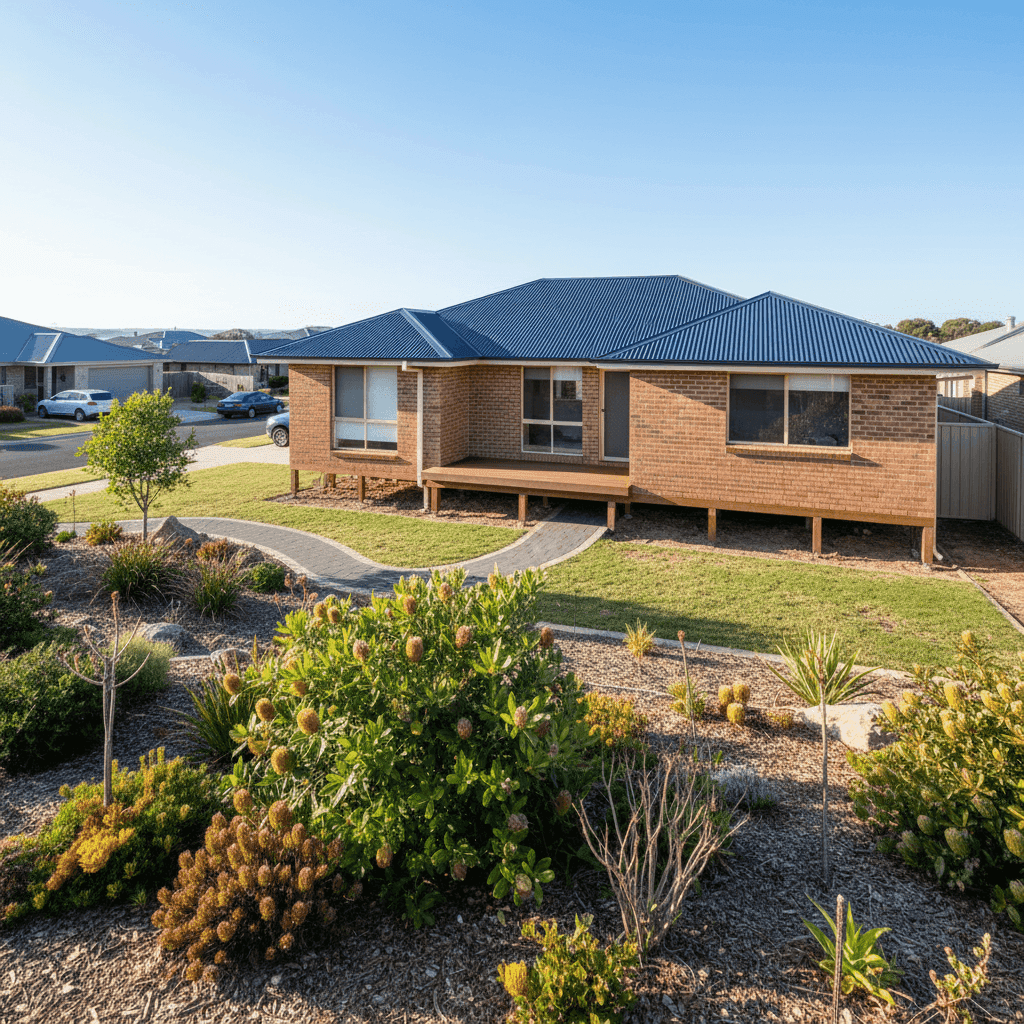
Tootgarook is a laid-back coastal suburb nestled on the Mornington Peninsula, roughly 70 kilometres south of Melbourne. Known for its relaxed beach-town character and proximity to Port Phillip Bay, it's a popular spot for both permanent residents and holiday homeowners. This article breaks down a real home and contents insurance quote for a three-bedroom free standing home in Tootgarook — and puts that figure into context against local, state, and national benchmarks.
---
Is This Quote Fair?
The quote in question comes in at $1,369 per year (or about $131 per month) for combined home and contents cover, with a $420,000 building sum insured and $70,000 in contents cover. Both the building and contents excess are set at $1,000.
Our pricing engine rates this quote as Fair — Around Average, which is a solid result for most homeowners. It's not a rock-bottom price, but it's comfortably within a reasonable range given the property's characteristics and location. To understand why, it helps to look at what other properties in the same postcode are paying.
According to data from Tootgarook's suburb insurance stats, the suburb average premium sits at $1,884 per year, with a median of $1,591. This quote falls below both of those figures — and even below the 75th percentile of $2,383 — which means it's cheaper than the majority of quotes recorded in the area. The 25th percentile is $1,245, so there is a cohort of properties attracting lower premiums, but those are likely to have different risk profiles, lower sums insured, or different construction types.
In short: this quote is competitive for Tootgarook, and homeowners receiving a similar figure should feel reasonably confident they're not being overcharged.
---
How Tootgarook Compares
Zooming out from the suburb level paints an even more encouraging picture.
| Benchmark | Average Premium |
|---|---|
| Tootgarook (suburb) | $1,884 / yr |
| Mornington Peninsula (LGA) | $2,652 / yr |
| Victoria (state) | $3,000 / yr |
| Australia (national) | $5,347 / yr |
Across Victoria as a whole, the average home and contents premium is $3,000 per year, with a median of $2,718. The quote analysed here is 54% below the Victorian average — a meaningful difference that reflects both the relatively moderate risk profile of Tootgarook compared to higher-risk parts of the state, and the specific features of this property.
At the national level, the average premium is a striking $5,347 per year, heavily influenced by high-risk regions in Queensland, Western Australia, and the Northern Territory — particularly areas exposed to cyclone, flood, and storm surge. Australia's national median of $2,764 is a more grounded comparison point, and this quote still comes in well beneath it.
Within the Mornington Peninsula LGA, the average is $2,652 — reflecting the mix of coastal and semi-rural properties across the region, some of which carry elevated bushfire or storm risk. Tootgarook's own suburb average of $1,884 is notably lower than the LGA figure, suggesting it's among the more affordably insured pockets of the Peninsula.
---
Property Features That Affect Your Premium
Several characteristics of this property play a role in shaping the premium:
Brick veneer construction is generally viewed favourably by insurers. It offers solid fire resistance and structural durability compared to weatherboard or fibrous cement cladding, which can contribute to a more competitive premium.
Steel/Colorbond roofing is another tick in the right column. Colorbond is lightweight, resistant to corrosion, and performs well in high-wind conditions. It's a common and well-regarded roofing material in coastal Victoria, and insurers tend to price it accordingly.
Stump foundations are worth noting. Homes elevated on stumps — even those raised by less than one metre, as is the case here — can be more vulnerable to underfloor wind damage but also benefit from improved drainage, which can reduce flood-related risk. The slight elevation here is unlikely to significantly inflate the premium, particularly given the modest raise.
Timber and laminate flooring is standard for homes of this era and construction type. It doesn't carry the same replacement cost premium as high-end stone or engineered hardwood, which keeps contents and building replacement estimates grounded.
The home was built in 1985, making it around 40 years old. Older homes can attract slightly higher premiums due to ageing electrical systems, plumbing, and roofing materials — but a well-maintained 1985 brick veneer home is still considered a manageable risk by most insurers.
Ducted climate control adds some value to the building sum insured, as these systems are expensive to replace. It's worth ensuring the $420,000 building sum insured adequately accounts for this and other fixed inclusions.
The absence of a pool and solar panels keeps the risk profile relatively straightforward, and the non-cyclone-zone designation is a significant factor in keeping premiums lower than many other parts of Australia.
---
Tips for Homeowners in Tootgarook
1. Review your building sum insured regularly Construction costs have risen sharply in recent years. A $420,000 sum insured may have been adequate when the policy was first taken out, but it's worth checking against current rebuild cost estimates — not the market value of the property — to make sure you're not underinsured. Many insurers offer free rebuild cost calculators.
2. Consider your excess carefully Both the building and contents excess are set at $1,000. Opting for a higher excess (say, $2,000 or $2,500) can meaningfully reduce your annual premium. If you have an emergency fund and are unlikely to make small claims, increasing your excess is often a smart trade-off.
3. Ask about coastal and storm cover inclusions Tootgarook's proximity to Port Phillip Bay means storm and wind events are a realistic risk. Check your policy's Product Disclosure Statement (PDS) carefully to confirm that storm surge, wind damage, and rainwater ingress are covered — and understand any sub-limits that may apply.
4. Compare quotes at renewal time Insurance loyalty rarely pays. Premiums can shift significantly year to year, and insurers adjust their risk appetites constantly. Even if your current quote is competitive, running a comparison at renewal takes only a few minutes and could save you hundreds of dollars.
---
Get Your Own Quote
Whether you're a long-time Tootgarook local or considering a property on the Mornington Peninsula, it pays to know what the market looks like before you commit to a policy. CoverClub makes it easy to compare home and contents insurance quotes from a range of Australian insurers in one place. Get a quote today and see how your premium stacks up against your neighbours.